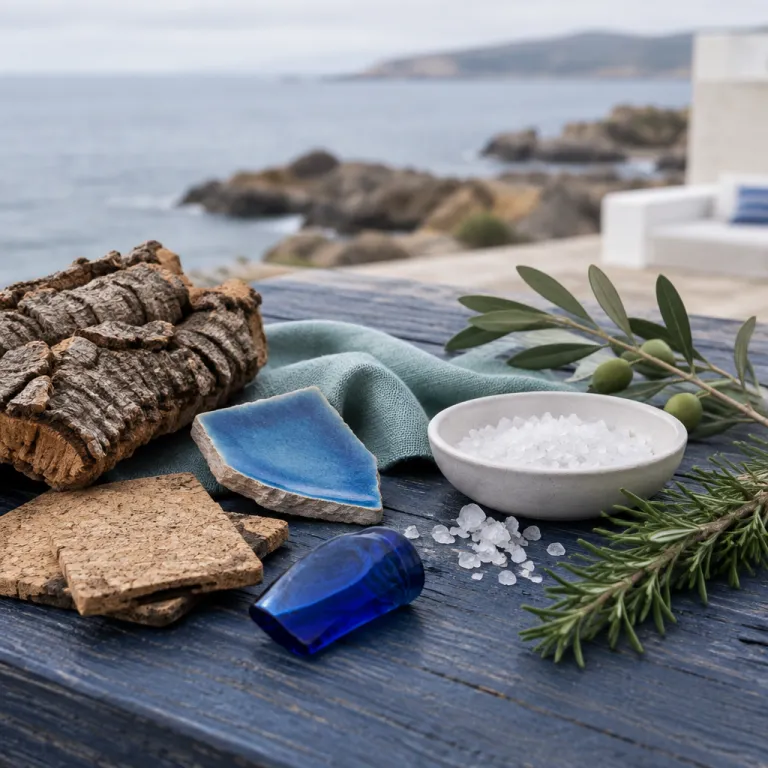
World Tourism Day and the new face of sustainable luxury in Spain
World Tourism Day lands in Spain at a tense moment. Tourism remains a rich engine for the economy, yet water stress, housing pressure and resident fatigue are reshaping how sustainable luxury travel in Spain must operate. For a solo traveler, this is the year when choosing where and how to travel becomes a direct vote for the kind of tourism you want to see.
Spain now welcomes record numbers of visitors, but many local communities feel the strain. In coastal cities, you will hear conversations about sustainable tourism, rental prices and the loss of local culture long before you see an eco friendly label on a hotel website. Responsible luxury travel means reading that room, then aligning your own experiences with the needs of the community hosting you.
Think of sustainable travel in Spain as a balance between pleasure and responsibility. You still enjoy luxury, nature and culture, yet you choose properties whose sustainable practices address water use, energy and waste in measurable ways. On World Tourism Day, sustainable luxury is less about a bamboo toothbrush and more about a hotel’s commitment to sustainability, its staff contracts, its support for local communities and its respect for the natural environment.
For myspainstay.com, sustainable luxury travel in Spain is not a niche. It is the new baseline for any serious luxury travel choice, from a coastal resort to a rural nature reserve in inland Andalucía. When you reserve your room, you are also reserving your place in a wider story about eco conscious tourism, local resilience and how Spain and Portugal adapt to year round visitor demand.
From greenwashing to genuine impact in Spanish luxury hotels
Responsible luxury in Spain starts with asking better questions before you reserve. Many properties now speak about sustainability, eco initiatives and sustainable tourism, yet only some translate those words into daily sustainable practices that benefit staff, suppliers and the surrounding community. As a solo traveler, you have the freedom to explore options and the agility to change plans when a hotel’s answers feel vague.
Look first at how a property treats water, energy and food. In regions facing drought, sustainable luxury travel in Spain means low flow fixtures, smart irrigation and transparent reporting on water use rather than silent overconsumption. At the table, a genuine commitment to sustainability shows up in locally sourced menus, farm to table partnerships and seasonal dishes that reflect the rich cultural landscape of each region.
Food is where eco friendly intentions become tangible. When a hotel highlights a farm table dinner, ask which local communities supply the vegetables, olive oil and wine, and whether those relationships are long term. In Galicia or the Basque Country, a luxury property that serves natural, line caught fish and pays fair prices is supporting local fishers while giving you a more authentic culinary experience.
In the Balearic Islands, some of the most interesting eco conscious luxury travel projects are rural estates that limit room numbers, restore traditional architecture and invest in the surrounding nature. If you are planning sustainable travel focused on the islands, use a detailed guide to eco friendly luxury and rural charm in the Balearic Islands to benchmark what real sustainable practices look like. The best of these places integrate local culture, protect the natural landscape and treat sustainability as a long game rather than a seasonal marketing theme.
Autumn, shoulder seasons and the power of where you go
Traveling in late September and autumn is itself a quiet act of sustainable travel. You ease pressure on fragile coastal ecosystems, reduce crowding in historic centers and give staff a more humane rhythm after the peak months. For sustainable luxury travel in Spain, this shoulder season opens up a different palette of experiences, especially for solo travelers who enjoy space and slower conversations.
Instead of joining the rush to saturated hotspots, consider a nature reserve in inland Catalonia, a national park in Asturias or a white village in Cádiz where tourism remains more balanced. Walking tours with local guides in these areas often weave together cultural heritage, natural history and stories from local communities that rarely make it into mainstream tourism brochures. Your presence, and your spending, help sustain year round employment in regions that might otherwise depend on a short summer season.
On the Canary Islands, autumn is ideal for eco conscious travelers who want mild weather and fewer crowds. Tenerife, for example, has a growing portfolio of energy efficient, environmentally certified stays that align luxury travel with measurable sustainability goals. Use a specialist overview of energy efficient and environmentally certified stays in Tenerife to compare how different properties approach sustainable tourism and their commitment to sustainability.
World Tourism Day is a reminder that sustainable tourism is not only about how hotels operate, but also about when and where you choose to go. By favoring interior regions, nature reserves and smaller cities during shoulder seasons, you support a more even distribution of tourism benefits across Spain and Portugal. That choice respects both the natural environment and the rich cultural fabric that makes each region unique.
How a solo traveler can read the signals and spend for change
For an independent traveler, responsible luxury in Spain is a series of deliberate choices. Before you reserve, look beyond glossy images and ask for specifics about sustainable practices, from energy sources to waste management and staff training. A property that takes sustainability seriously will share data, not slogans, and will be clear about its long term goals.
Pay attention to how a hotel talks about supporting local communities and local culture. Do they employ people from the immediate area in meaningful roles, or only in seasonal, low paid positions that do little for the community ? When they mention cultural experiences or curated tours, ask whether these walking tours, wine tastings or cooking classes are led by local experts who are paid fairly and encouraged to share their own perspectives.
On the ground, choose experiences that keep your spending close to the community. Book small group tours with local guides, join a farm table lunch on an organic finca, or take walking tours that highlight both natural landscapes and rich cultural stories. These choices turn your luxury travel budget into a tool for sustainable tourism, reinforcing eco friendly initiatives and helping preserve cultural heritage.
Digital tools are also reshaping how you can align luxury and sustainability. New booking technologies highlighted in analyses of how innovation is reshaping luxury hotel booking in Spain make it easier to compare room types, energy features and location impacts before you commit. Used thoughtfully, they help eco conscious travelers match their desire for unique experiences with a genuine commitment to sustainability, ensuring that sustainable luxury travel in Spain becomes a lived experience rather than a label.
FAQ
Is luxury travel in Spain compatible with sustainability ?
Luxury travel in Spain can align with sustainability when properties manage water, energy and waste responsibly, pay fair wages and support local suppliers. Look for hotels that publish clear sustainability goals, use locally sourced food and limit unnecessary resource use. Your own choices, from off peak travel to low impact activities, complete the picture.
Which Spanish regions are best for eco conscious luxury stays ?
Rural and interior regions such as Asturias, Cantabria, inland Catalonia and parts of Andalucía offer strong options for eco conscious luxury. These areas often combine protected nature, rich cultural heritage and smaller scale properties embedded in local communities. They are also less exposed to overtourism than major coastal hotspots.
What questions should I ask a hotel before booking a sustainable stay ?
Ask how the hotel manages water and energy, whether it tracks emissions and what percentage of its food is locally sourced. Request details about staff contracts, community projects and partnerships with local guides or producers. Clear, specific answers signal genuine sustainable practices, while vague claims suggest greenwashing.
Does traveling in autumn really reduce my impact as a tourist ?
Traveling in autumn usually reduces pressure on water, infrastructure and local housing compared with peak summer months. You help spread tourism income more evenly across the year, which supports year round employment in hospitality and related sectors. For many Spanish destinations, this shoulder season is the most sustainable moment to visit.
How can a solo traveler support local communities while enjoying luxury ?
Choose hotels that hire locally, buy from nearby producers and invest in community projects. Spend on small group tours, independent restaurants and cultural experiences that keep money circulating in the neighborhood. This way, your luxury stay becomes a direct contribution to the resilience of the place you are visiting.