The 3 percent that rewrites Spain’s tourism playbook
Spain’s luxury tourism economics begins with a simple, uncomfortable ratio. When just 3 percent of travelers generate around 20 percent of total tourism spending in Spain, the entire tourism sector quietly reorients itself around that high value segment. For anyone choosing between luxury hotels in Madrid or sea facing resorts in the Balearic Islands, this shift already shapes the prices you see, the services you receive, and the travel experiences you can book.
Data from CaixaBank Research, based on anonymised card transactions for international visitors between January 2022 and June 2023, indicates that high end tourists spend approximately €731 per day, compared to around €46 by conventional tourists. That average daily outlay, multiplied across international tourists who stay longer and move between several regions, explains why the premium segment now sits at the center of every serious market analysis in Spain. As one recent assessment from CaixaBank’s tourism observatory (CaixaBank Research, “Tourism in Spain: High-value visitors,” 2023) put it with stark clarity, “Luxury tourism significantly boosts Spain's economy, with high-spending tourists contributing disproportionately to total tourism revenue.”
For the Spanish tourism sector, this is not a niche curiosity but a structural pivot. The industry has moved from chasing volume to cultivating value, prioritising upscale travel over low margin mass packages that strain local infrastructure and residents. In practice, that means hotel group strategies now favour opening a new five star property in central Madrid or Palma rather than another anonymous three star hotel on an already saturated coast.
Look at Madrid and the Balearic Islands and you see this new map of Spanish luxury in sharp relief. The capital’s historic palaces turned grand hotels now compete with contemporary design led resorts, while the islands channel investment into quiet luxury villas, eco friendly marinas, and adults only properties with high service ratios. For travelers, the tourism boom is no longer measured only in arrivals but in the depth of premium experiences, from private art viewings to chef led tapas routes that would have been unthinkable in the old volume driven model.
Spain’s national and regional tourism authorities increasingly treat this high yield segment as their best answer to overtourism. Fewer visitors with higher tourist spending reduce pressure on public space while sustaining restaurants, guides, and cultural institutions year round. For international tourism strategists, Spain has become a case study in how to turn a mature mass market into a refined, experience led destination without losing its democratic soul.
Where the money goes: from rooms to rarefied experiences
Follow the euro and you understand the dynamics of Spain’s high end visitor economy better than any policy paper. Affluent travelers in Spain do not simply pay more for larger rooms in luxury hotels, they rewire the entire value chain of the tourism sector through how and where they allocate their spending. When average daily expenditure reaches €731, the room becomes the basecamp, not the main event.
In Madrid, Barcelona, and Palma, this segment spends heavily on gastronomy, private access, and curated travel experiences that blur the line between leisure and learning. A typical high end itinerary might combine a stay in a restored palace run by a leading international hotel group with a series of unique activities, from after hours museum tours to vineyard lunches in the Sierra de Gredos. The result is that restaurants, guides, drivers, and cultural institutions capture a far larger share of tourist spending than in the old model of half board packages and coach excursions.
For travelers comparing luxury hotel options, the smartest move is to evaluate not only room categories but the ecosystem of premium experiences each property can unlock. Some coastal resorts on the Costa del Sol, for example, now partner with local artisans and chefs to offer private ateliers, while urban luxury hotels in Madrid curate access to members only clubs and contemporary galleries. If you are serious about upscale travel, you should be asking how a property’s concierge team translates your budget into meaningful, memory rich experiences rather than just upgrades and late check outs.
There is also a quiet but decisive shift from material goods to access and time. High net worth visitors increasingly prefer eco friendly yacht charters with low impact propulsion, or small group hiking in the Picos de Europa, over another designer bag from Gran Vía. This is where Spain’s luxury proposition stands apart from some rival markets, because the country can combine world class dining and culture with wild landscapes within a few hours’ travel, giving international tourists a rare breadth of options.
For those watching the market closely, loyalty is now built through intelligent pricing and added value rather than blunt discounts. Analysis of booking patterns across Spain’s upscale segment shows that executives extending business trips into leisure respond best to targeted offers that enhance premium experiences, such as guaranteed late check out or airport transfers, rather than simple rate cuts. If you want to elevate your travel experiences while still optimising value, focus on offers that bundle meaningful services, such as curated dining, wellness access, or private touring, instead of chasing the lowest nightly rate.
The personalisation imperative: Spain’s quiet luxury arms race
Personalisation is no longer a flourish in Spain’s luxury tourism sector, it is the core economic engine. When a small group of high spending visitors can make or break a season for a rural property, the ability to design bespoke experiences becomes a hard business KPI rather than a soft skill. This is where the most ambitious luxury hotels and coastal resorts are now competing, from the Balearic Islands to the Basque Country.
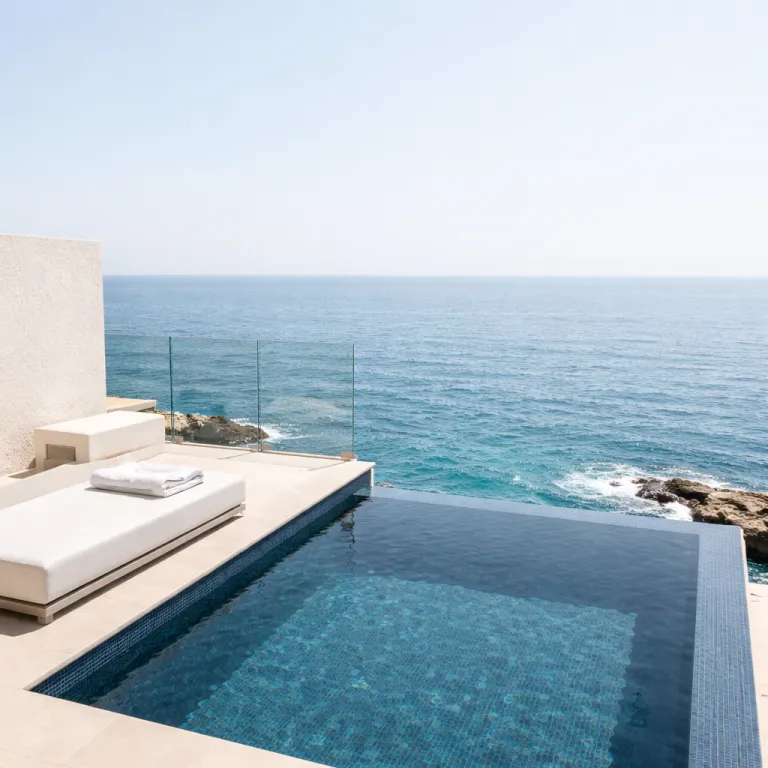
In Mallorca, for example, adults only properties with swim up suites and sea view rooms are not just chasing Instagram moments. They are engineered for a specific segment of international tourists who value privacy, quiet, and tailored service over spectacle, and who are willing to sustain high average daily rates across longer stays. Detailed case studies of adults only hotels in Mallorca with swim up pool view rooms show how these properties use design, staffing, and programming to convert high expectations into repeat bookings.
Across Spain’s tourism hotspots, the leading hotel group brands now invest heavily in guest intelligence, from pre arrival questionnaires to post stay analysis that feeds into CRM systems. The goal is simple but demanding, to anticipate what each luxury traveler will want before they articulate it, whether that is a specific Rioja vintage in the minibar or a running route mapped around early morning meetings. For business leisure executives, this level of attention means you can land in Madrid for a conference and transition into a weekend of indulgent travel without repeating your preferences at every step.
Personalisation also extends to values, not just amenities. Eco friendly credentials now influence booking decisions for a growing share of high end tourists, particularly from Northern Europe and North America, who expect renewable energy, low waste operations, and credible certifications as standard. The smartest luxury hotels in Spain respond by integrating sustainability into the guest journey, from electric transfers to local sourcing, rather than treating it as a marketing slogan.
For international tourism strategists, the message is clear, the premium segment will win or lose on its ability to deliver unique experiences that feel both intensely local and frictionlessly global. If you are planning your own trip, look for properties that talk concretely about their partnerships with local producers, guides, and cultural institutions, not just generic claims about authenticity. Those are the hotels where Spain’s high value visitor economy translates into real benefits for both guests and the communities that host them.
From overtourism to value: how policy and pricing reshape the landscape
Spain’s pivot from volume to value is not just a hotel story, it is a national strategy. Regions from Catalonia to the Balearic Islands now treat high spending tourism as a tool to manage overtourism, using pricing, regulation, and targeted marketing to attract fewer but higher value visitors. For travelers, this means the cost of staying in prime areas may rise, but the quality of space, service, and overall experience should rise with it.
Tourist taxes, zoning rules, and licensing caps are all being recalibrated to favour the luxury travel segment that delivers more revenue with less strain on public services. High end international tourists tend to travel outside peak school holiday windows, stay in regulated luxury hotels rather than unlicensed rentals, and engage more deeply with local culture through curated travel experiences. If you want to understand why a particular luxury hotel in Palma or San Sebastián now includes a sustainability fee, the answer lies in this broader strategy to manage visitor flows and fund local services.
For the industry, the economics are compelling, because a smaller number of high value visitors can sustain a sophisticated hospitality ecosystem year round. Restaurants can maintain highly trained équipes, guides can specialise in niche themes from Civil War history to contemporary architecture, and hotel group brands can justify investments in art collections, wellness clinics, and advanced technology. Recent policy papers from Spain’s tourism ministry underline that these measures are designed not only to raise revenue but to support stable employment and higher service standards.
From an economic analysis perspective, the Spanish tourism sector is moving closer to the model long used in fine dining, where a limited number of covers at high prices sustain exceptional quality and staff retention. The same logic now applies to luxury hotels and integrated resorts, which prefer to operate at slightly lower occupancy with higher rates and richer ancillary spending. For travelers, this often translates into more space at the pool, more attentive service, and a calmer atmosphere, especially in destinations that once felt overwhelmed by crowds.
Looking ahead, the most resilient pockets of Spanish luxury will be those that align pricing, policy, and product with this high value, low impact philosophy. International tourism flows will continue to fluctuate, but destinations that offer coherent, premium experiences anchored in local culture will keep attracting the 3 percent who drive 20 percent of spending. If you choose your next stay with that lens, you are not just booking a room, you are voting for the version of Spain you want to return to.
Key figures behind Spain’s high value luxury tourism shift
- Luxury tourists in Spain spend approximately €731 per day on average, compared with about €46 for conventional tourists, according to CaixaBank Research’s analysis of card payments by international visitors in 2022–2023, which illustrates the extreme concentration of value within the upscale travel segment.
- High end visitors represent roughly 3 percent of total tourists yet generate around 20 percent of overall tourism expenditure, making them a strategic priority for Spain’s tourism sector and a central focus of national and regional policy.
- Spain’s broader hospitality and tourism market is projected by industry analysts to exceed USD 125 billion in annual revenue within the next few years (World Travel & Tourism Council, Spain Country Report 2023), with growth increasingly driven by luxury hotels, resort complexes, and experience led products rather than traditional mass market packages.
- In the Balearic Islands alone, regional government forecasts suggest that tourism linked to the luxury segment could account for a substantial share of total visitor spending each year, underlining how a relatively small group of international tourists can sustain a sophisticated, year round hospitality industry.
- Regions such as Madrid, Barcelona, and the Balearic Islands consistently rank as leading destinations for international tourism in Spain, and they capture a disproportionate share of tourist spending thanks to their dense concentration of luxury hotels, fine dining, and premium cultural experiences.