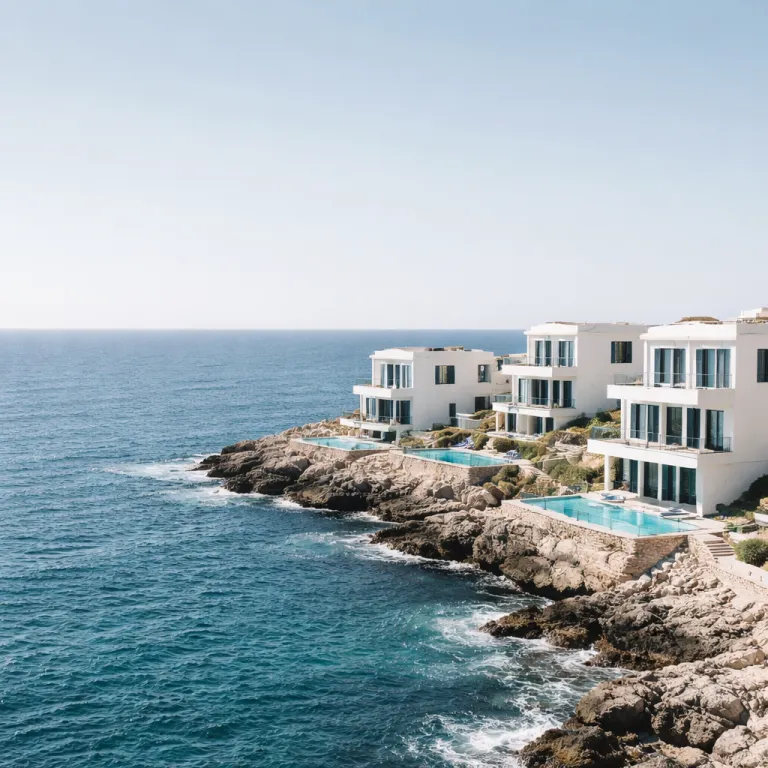
The rise of the hotel hop for a multi-stop luxury trip Spain
Luxury travelers are quietly trading single resort stays for curated hotel hops across Spain. A multi-stop luxury trip in Spain now often means moving between one exceptional hotel and the next, turning each city into a different chapter of the same story. Across several days and nights, you experience contrasting regions, distinct atmospheres and sharply different styles of hospitality.
This style of travel suits solo explorers and couples who want the best hotels but refuse to stay fenced into one postcode. Instead of choosing between Madrid or Barcelona, or between Seville and Granada, you design an itinerary that links all four cities in Spain with fast train connections and short air hops. The result is a sequence of stays where each hotel, each neighborhood and each day tour adds a new layer of culture, food and design.
Specialist agencies such as Avelia Travel, Magical Spain & Portugal and Ker & Downey now build sample itineraries that treat Spain tours as a string of complementary experiences. They use private tours, high speed trains and luxury vehicles to keep the logistics invisible, so your focus stays on the hotel bar, the tasting menu or the morning in a quiet Gothic Quarter square. As one planning guide from Avelia Travel puts it without embellishment, “Book in advance. Learn basic Spanish phrases. Pack for varied climates.”
For many travelers, the appeal lies in contrast rather than excess. One day you might wake to the soft light over Madrid’s stately boulevards, then a few days later you are crossing the Guadalquivir in Seville after a late flamenco show. A well designed multi-city luxury itinerary in Spain uses each hotel as both refuge and lens, framing the city beyond the lobby doors in a way that a single resort stay never can.
Madrid and Seville: art, flamenco and refined urban stays
Madrid is the natural starting point for a multi-stop luxury trip Spain because its air connections from London, Paris and other hubs are excellent. From the first day, the city’s grand avenues, discreet palace hotels and serious art museums set an elegant tone for the rest of your travel. Spend at least three nights here so your sample itinerary has room for both the Prado and a lazy afternoon on a shaded terrace.
Choose a central hotel near the Retiro or the Salamanca district, where service is polished and the concierge understands high speed train schedules by heart. Classic options such as the Mandarin Oriental Ritz, Madrid or the Rosewood Villa Magna often start around €650–€900 per night in high season, while design-led properties like Only YOU Boutique Hotel Atocha can be lower, according to recent published rates. They can secure first class seats on the Madrid Seville route, which typically takes about 2 hours 30 minutes on AVE trains according to Renfe timetables, and turns your transfer into a comfortable day tour through the heart of Spain.
Once in Seville, base yourself near Santa Cruz, the old Jewish quarter where jasmine climbs whitewashed walls and narrow lanes stay cool at midday. A refined palace style hotel here, such as Hotel Alfonso XIII, a Luxury Collection Hotel, or the boutique Corral del Rey, lets you walk to the cathedral, the Alcázar and intimate flamenco venues, then retreat to a quiet courtyard pool between tours. One Seville concierge summed up the rhythm of the city for a recent guest: “Plan your days around the heat and your nights around the music.” If you prefer more space and privacy, consider one of the elegant villas in Andalucía for a refined stay, using Seville as your cultural anchor.
From Seville, a classic day trip links Seville Granada by private car or train, giving you a taste of the Alhambra’s intricate stonework before returning to your Seville hotel for a late dinner. Some travelers extend this into several days and nights in Granada itself, folding the city into longer Spain tours that also include coastal stops on the Costa del Sol. However you structure it, this Madrid and Seville pairing gives your itinerary a strong opening movement of art, history and Andalusian rhythm.
Granada and the south: Alhambra nights, Costa del Sol and coastal contrasts
Granada rewards those who slow down, especially on a multi-stop luxury trip across Spain where pace matters as much as place. Plan at least two nights here so you can visit the Alhambra in different lights, then wander the Albaicín’s steep streets without watching the clock. A well located hotel with views towards the palace, such as the Parador de Granada or the Alhambra Palace Hotel, turns every sunrise and late evening into a private show.
Many travelers treat Granada as a hinge between inland Andalusia and the Mediterranean, linking Seville Granada with onward travel to the Costa del Sol. A private driver or train can take you from your Seville hotel to Granada for a couple of days, then continue to coastal cities in Spain such as Málaga or Marbella. This creates a satisfying arc from flamenco courtyards to sea facing terraces, all within a single coherent itinerary.
For deeper cultural immersion, consider arranging a private Alhambra circuit with specialist guides who understand both the monument and the modern city. Travel journalists have described how a carefully chosen tour that includes lesser known gardens, viewpoints and neighborhood walks can transform a standard day tour into something far more textured. Pair this with an evening in the Sacromonte caves, then a quiet morning coffee in a plaza where locals still outnumber visitors.
From Granada, the Costa del Sol works best as a short, restorative chapter rather than the whole book. Two or three nights in a low key luxury resort give you time for a relaxed day trip into the hills or a boat charter along the coast. If you prefer wilder scenery, you might instead angle north east towards the Costa Brava later in your journey, keeping this southern stretch as a warm, languid interlude between more intense city stays.
Barcelona, San Sebastián and the northern coasts
Barcelona is the natural counterpoint to Andalusia on a multi-stop luxury trip Spain, offering a sharper, more urban energy. Arrive by high speed train on the Madrid Barcelona route or by air from other European hubs such as London Barcelona or Paris Barcelona. Plan at least three days and nights here so you can balance Gaudí landmarks with slow walks through the Gothic Quarter and long lunches by the sea.
Choosing the right Barcelona hotel is crucial because neighborhoods shape your experience as much as room categories. A design forward property in Eixample, such as The One Barcelona or Almanac Barcelona, suits travelers who want easy access to both galleries and Michelin starred dining, while a quieter hotel near the Gothic Quarter works better for those who prefer medieval streets and late night vermouth bars. Either way, use the city as a base for a coastal day trip along the Costa Brava, where smaller towns and coves offer a different rhythm from the main cities in Spain.
From Barcelona, many food focused travelers continue north to San Sebastián, turning their multi-stop luxury trip in Spain into a pilgrimage of pintxos and Atlantic light. This seafront city pairs well with Barcelona because both are coastal yet culturally distinct, with San Sebastián offering a softer, more intimate scale. You might spend two or three nights here, using the mornings for markets and the afternoons for curated tours of traditional and contemporary Basque cooking.
Some itineraries also weave in France Spain combinations, especially for travelers arriving via Paris Barcelona or those continuing north after San Sebastián. In these cases, the border feels more like a culinary gradient than a hard line, with shared ingredients and different interpretations on each side. Whether you keep your itinerary strictly within Spain or let it spill into France, the northern arc adds a cool, green counterweight to the heat and color of the south.
Designing your own sample itinerary and making logistics effortless
Designing a multi-stop luxury trip Spain starts with deciding how many days and nights you can comfortably spend on the road. A classic sample itinerary might run nine days, with three nights in Madrid, three in Seville and three in Barcelona, linked by high speed train segments. Other travelers stretch this to two weeks to include Granada, San Sebastián or a coastal pause on either the Costa del Sol or the Costa Brava.
When planning, think in terms of anchor stays and lighter chapters rather than a rigid tour. Madrid, Barcelona and Seville work well as anchors because each city offers a deep bench of luxury hotel options, serious dining and varied day tours. Granada, San Sebastián and coastal resorts then become shorter, more focused stays that add texture without overcomplicating your travel.
Logistics are easier than many first time visitors expect, especially with Spain’s investment in high speed trains and well connected airports. The Madrid Seville and Madrid Barcelona routes are fast and frequent, while domestic air links help when you need to cross longer distances in a single day. For those combining France Spain routes, international trains and short flights from hubs such as Paris Barcelona or London Barcelona keep connections smooth.
Specialist agencies such as Avelia Travel, Magical Spain & Portugal and Ker & Downey can build fully customized Spain tours, often with private transfers and concierge style support. Their personalized itineraries, exclusive experiences and local partners help ensure that each hotel change feels seamless rather than stressful. For inspiration on coastal chapters and resort style stays, explore a detailed guide to Spanish resort isles for refined escapes, then weave one island stop into your mainland route.
FAQ about planning a multi-stop luxury trip across Spain
What is the best time to visit Spain for a multi-stop itinerary ?
Spring and fall offer pleasant weather, which makes moving between cities in Spain more comfortable and keeps walking tours enjoyable. These seasons also bring softer light for architecture and landscape photography, especially in Granada and along the Costa Brava. High summer can work for coastal segments on the Costa del Sol, but inland cities such as Seville and Madrid may feel very hot.
How many days should I plan for a first multi-stop luxury trip Spain ?
For a first multi-stop luxury trip Spain, aim for at least nine to ten days. This allows three nights in Madrid, three in Seville and three in Barcelona, with optional short extensions to Granada or San Sebastián. Shorter trips are possible, but you will need to limit the number of cities and reduce day trips.
Are private tours and transfers available between cities such as Seville and Granada ?
Yes, many agencies offer private tours and chauffeured transfers between key pairs such as Seville Granada or Madrid Seville. These services can turn a simple transfer into a curated day tour with stops in smaller towns or vineyards. For travelers who prefer independence, high speed trains and domestic flights remain reliable and comfortable alternatives.
Is Spain family friendly for a multi-city luxury itinerary ?
Spain is absolutely family friendly, with activities for all ages in major cities and coastal areas. Families often combine cultural days in Madrid or Barcelona with relaxed beach time on the Costa del Sol or Costa Brava. Choosing hotels with pools, interconnecting rooms and flexible dining helps keep both adults and children comfortable during a multi-stop journey.
What daily budget should I expect for a luxury hotel hop across Spain ?
For high end hotels, private tours and fine dining, many travelers work with an indicative average daily cost per person of around 1500 USD, a planning figure cited by agencies such as Avelia Travel for fully customized itineraries. This estimate typically covers accommodation, most meals, ground transport and guided experiences, though international air travel is usually separate. Costs vary by city and season, with Madrid and Barcelona often pricing slightly higher than Granada or some coastal resorts.