Hotel Spain 2026: the new luxury map of Spanish destinations
Hotel Spain 2026: the new luxury map of Spanish destinations
Spain is entering a decisive season for high end travel, and the landscape for luxury hotels in Spain 2026 is changing fast. Across the country, a record pipeline of four and five star properties is scheduled to open, reshaping how couples plan their time between cities, coasts and islands. For travelers who care about views, gastronomy and character, the right hotel in Spain will define the entire trip.
According to Spain’s National Statistics Institute (INE), the country welcomed over 20 million international visitors in the first quarter of 2026, and Spain will keep leaning into luxury as tourism’s next growth chapter.1 That surge is visible in every major city, from Madrid to Seville, and in coastal destinations such as Mallorca, Costa Brava and the Costa del Sol. When you check options on myspainstay.com, you now see not only classic gran hotels but also intimate design properties and converted palaces across multiple destinations.
Developers and operators are betting on adaptive reuse, turning historic buildings into contemporary hotels that respect each town or city. In Málaga, for example, Nitsba Spain S.L. has announced plans to convert the old post office on Avenida de Andalucía into a luxury hotel, part of a broader movement to preserve heritage while upgrading rooms and service.2 Industry reports from Spain’s Ministry of Industry, Trade and Tourism confirm that “Spain welcomed over 20 million visitors in Q1 2026, a record high,” underlining why investors are accelerating projects.3
This season’s openings stretch from northern Spain to the Canary Islands, with each region offering a distinct rhythm and style. Couples can pair a stay in a Four Seasons level property in Madrid with a quieter escape on the west coast of Mallorca or the volcanic landscapes of Gran Canaria. The key is to select hotels that match how you like to move through a city, whether you prioritise a spa, proximity to the historic centre or access to under the radar restaurants.
Mallorca, Costa Brava and the west coast: where the sea meets new luxury
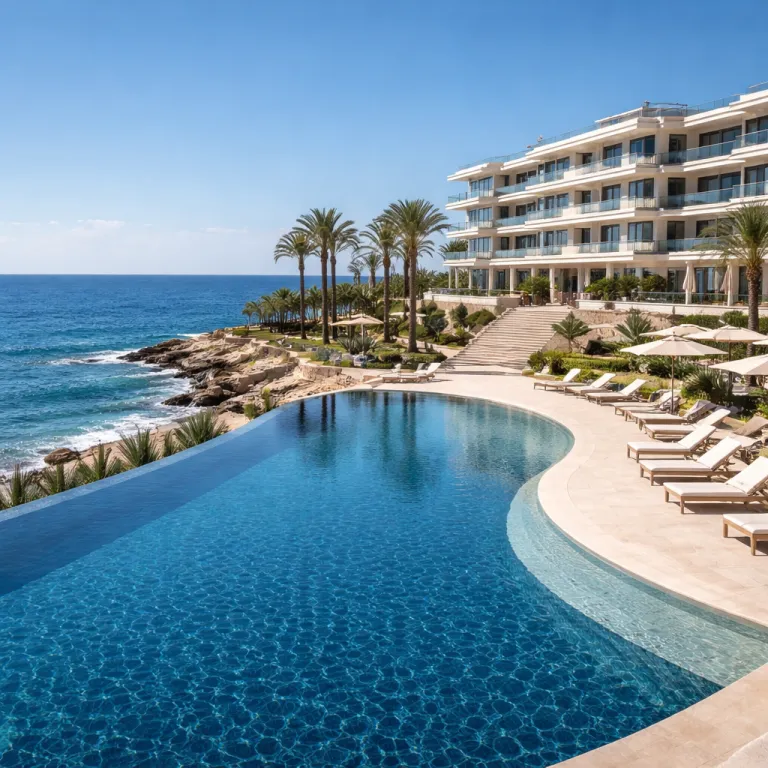
Mallorca Spain is the headline story for luxury hotels in Spain 2026, and the opening that everyone is watching sits on the island’s west coast. Mandarin Oriental Punta Negra Mallorca is slated to open in late 2026 with 131 keys, six restaurants and the Curandero Experience spa, instantly raising the bar for Mediterranean resorts.4 The property occupies the former H10 Punta Negra site, now reimagined as Mandarin Oriental Punta Negra, a low slung enclave of suites and villas stepping down to the sea.
This part of the west coast has long been loved by Europeans for its pine fringed coves, but the new Oriental Punta Negra era signals a shift toward ultra refined stays. Expect a spa that leans into slow rituals rather than quick treatments, with thermal circuits and locally inspired body therapies, and restaurants that treat Balearic produce with the precision you would expect from a Condé Nast Gold List contender. For couples, the combination of private coves, long sea view breakfasts and easy access to Palma’s historic centre makes this one of the most compelling destinations in Spain.
Elsewhere on the island, established gran hotels continue to refresh rooms and suites to keep pace with the new arrival. When you check availability for hotels in Mallorca Spain on myspainstay.com, pay attention to how each property frames its view and access to the water. Some hotels sit closer to town, with junior suites overlooking marinas and rooftop pools, while others are more secluded, with garden casitas and direct sea access, and that choice will shape how much time you spend exploring versus staying poolside.
On the mainland, Costa Brava is quietly evolving from a family focused coast into a refined playground for design minded travelers. Our guide to elegant villas at Costa Brava for refined extended stays shows how private villas and small gran hotel conversions now coexist along this dramatic stretch. Pair a few nights in a sea facing boutique hotel with a villa stay, and you will understand why this coast keeps appearing in Condé Nast style roundups and lists of the best coastal getaways in Spain.
Madrid and Seville: urban openings redefining the Spanish city break
Madrid is entering a new phase, and luxury hotels in Spain 2026 conversations in the city now revolve around three names. Urban Hive Madrid, Nobu Hotel Madrid and Four Seasons Hotel Madrid together illustrate how the capital is layering contemporary luxury over its historic centre. Each hotel offers a different way to experience the city, from rooftop pools to intimate dining rooms and destination spas.
Urban Hive Madrid positions itself around its rooftop, where an infinity pool offers a cinematic view of the Palacio Real and the city skyline. Time your swim for the late afternoon eclipse of heat, when locals drift toward terrazas and the light softens over the rooftops. Downstairs, contemporary Italian restaurants, a compact spa with steam room and treatment cabins, and rooms with floor to ceiling windows make this hotel a strong choice for couples who want design forward stays without sacrificing location.
Nobu Hotel Madrid, the fifth Nobu in Spain, takes the opposite approach with an intimate fifty key format that feels more private than the city’s palace style gran hotels. Here, the focus is on precise service, a signature Nobu restaurant with omakase counters and sake pairings, and rooms that feel more like a discreet residence than a grand address. For travelers who prefer to move quietly through a city, this Nobu hotel offers a refined base within walking distance of major museums and the historic centre.
In Seville, the narrative is equally compelling, with Hyatt preparing its Andalusian debut in a converted historic Modernist building. This Hyatt Seville project is expected to open around 2026 with roughly one hundred rooms and suites, bringing an international brand into a town already anchored by Hotel Alfonso XIII, managed by Marriott International. If you are planning an Andalusian loop, combine a stay here with time in Málaga, where the old post office conversion and our curated elegant villas in Andalucía offer different ways to experience the region.
From northern Spain to the Canary Islands: strategic choices for couples
Beyond the headline cities and islands, hotel Spain 2026 is also about how you stitch together lesser known destinations. Northern Spain offers a cooler climate, green landscapes and coastal towns that feel far from the Costa del Sol, yet still deliver serious food and wine. Think of San Sebastián, Bilbao and the fishing villages along the Bay of Biscay, where small gran hotels and design forward properties sit close to the water.
On the Atlantic side, Gran Canaria and the wider Canary Islands remain year round options, especially for couples seeking winter sun. Here, the choice between large resort hotels and more intimate properties becomes crucial, so check carefully how each hotel describes its rooms, spa and access to quieter beaches. Some hotels in the Canary Islands now emphasise sustainability, aligning with the broader growth in eco conscious travel across Spain and reflecting guidelines from Spain’s national tourism strategy.
Back on the mainland, the Costa del Sol and the broader Costa del area continue to evolve beyond mass tourism. Málaga’s transformation, anchored by the adaptive reuse of its old post office and a growing roster of design led hotels, shows how a city can balance heritage and modernity. In nearby coastal towns, you will find hotels that feel more relaxed than the big resorts, yet still offer strong restaurants, shaded pool decks and well designed rooms.
Valencia Spain is another city to watch, with its mix of futuristic architecture and a compact historic centre that rewards slow exploration. Couples can split their time between a hotel near the old town and a second stay closer to the beach, experiencing two very different sides of the city. When planning, remember that Spain will see high demand across all these destinations, so booking early through a trusted platform becomes less a suggestion and more a necessity for securing the best new openings in Spain 2026.
Heritage, sustainability and how to choose the right hotel
One of the defining themes of luxury hotels in Spain 2026 is the way historic buildings are being reimagined for contemporary travelers. Across Spain, adaptive reuse projects are turning former palaces, civic buildings and even a century convent or two into hotels that respect their bones while adding modern comforts. The goal is clear: enhance tourism infrastructure, attract high end guests and preserve cultural heritage in every city and town, in line with Spain’s official tourism plans.
Hotel Alfonso XIII in Seville, managed by Marriott International, remains a benchmark for how a gran hotel can evolve without losing its soul. In Madrid, Four Seasons Hotel Madrid shows a similar respect for history, weaving several landmark buildings into a single property with a serious spa, rooftop pool and destination restaurants. These examples matter because they set expectations for new openings, from Hyatt Seville to the Málaga post office conversion and beyond, and they illustrate how heritage hotels in Spain can feel both grand and contemporary.
Sustainability is no longer a niche concern, especially for couples planning longer stays in coastal destinations such as Costa Brava or the Costa del Sol. Many hotels now highlight energy efficient systems, local sourcing in restaurants and spa products that avoid unnecessary packaging, themes we explore in depth in our guide to eco friendly hotels in Spain. When you check options, look for clear information on these practices rather than vague green language, and consider certifications or references to Spain’s national sustainability standards.
Finally, a word on planning strategy for this intense season, when some travelers even time trips around events such as a solar eclipse over the Iberian Peninsula. Book accommodations early, especially during peak seasons, explore both historic and modern hotel options and check for special events or festivals during your stay. With Spain’s luxury pipeline expanding and more hotels set to open across islands and mainland, the couples who plan with intention will enjoy the most rewarding views, rooms and experiences.
FAQ
What are the most anticipated new luxury hotels in Spain this season ?
The most anticipated openings include Mandarin Oriental Punta Negra Mallorca on the island’s west coast, Urban Hive Madrid with its rooftop infinity pool and Hyatt Seville in a converted Modernist landmark. In Málaga, the conversion of the old post office into a luxury hotel adds another strong option on the Costa del Sol. Together, these hotels signal how Spain will keep elevating its luxury offering across multiple destinations and strengthening its position among European luxury travel hotspots.
How is Spain’s luxury hotel sector performing right now ?
Spain’s hotel sector is experiencing strong growth, with over 20 million visitors recorded in the first quarter and a clear shift toward four and five star developments. This record performance, highlighted in official tourism statistics, has encouraged both international brands and local developers to accelerate projects in cities, coastal areas and islands. Travelers benefit from a wider choice of high quality hotels, but also face higher demand during peak periods and more competition for standout suites.
Are there notable historic luxury hotels worth considering ?
Yes, several historic properties stand out for couples who value heritage. Hotel Alfonso XIII in Seville, managed by Marriott International, offers a grand Andalusian setting near the historic centre, while Four Seasons Hotel Madrid occupies a series of restored landmark buildings in the capital. These hotels combine period architecture with modern rooms, refined restaurants and serious spa facilities, and they provide useful reference points when comparing other heritage hotels in Spain.
How far in advance should I book a luxury hotel in Spain ?
For peak summer and major events, aim to book at least three to six months ahead, especially in high demand destinations such as Mallorca, Madrid and the Costa del Sol. New openings like Mandarin Oriental Punta Negra Mallorca and Nobu Hotel Madrid attract strong interest from repeat visitors and first timers alike. Early booking gives you better rates, more room categories to choose from and a higher chance of securing specific views or suites with terraces or plunge pools.
What should couples prioritise when choosing between city and coastal hotels ?
Start by deciding how you want to divide your time between culture and relaxation. City hotels in Madrid, Seville or Valencia Spain place you close to museums, restaurants and historic centres, while coastal properties in Mallorca, Costa Brava or the Canary Islands focus more on sea views, pools and spa experiences. Many couples now combine both, booking a few nights in a city gran hotel before moving to a quieter coastal retreat, creating a Spain itinerary that balances galleries and tapas with beach clubs and sunset terraces.
Sources: 1. Instituto Nacional de Estadística (INE), Spain – latest quarterly tourism statistics. 2. Nitsba Spain S.L. – public announcements and local planning filings on the Málaga post office redevelopment. 3. Spain’s Ministry of Industry, Trade and Tourism – tourism performance reports and press releases. 4. Mandarin Oriental Hotel Group – official project information for Mandarin Oriental Punta Negra Mallorca.