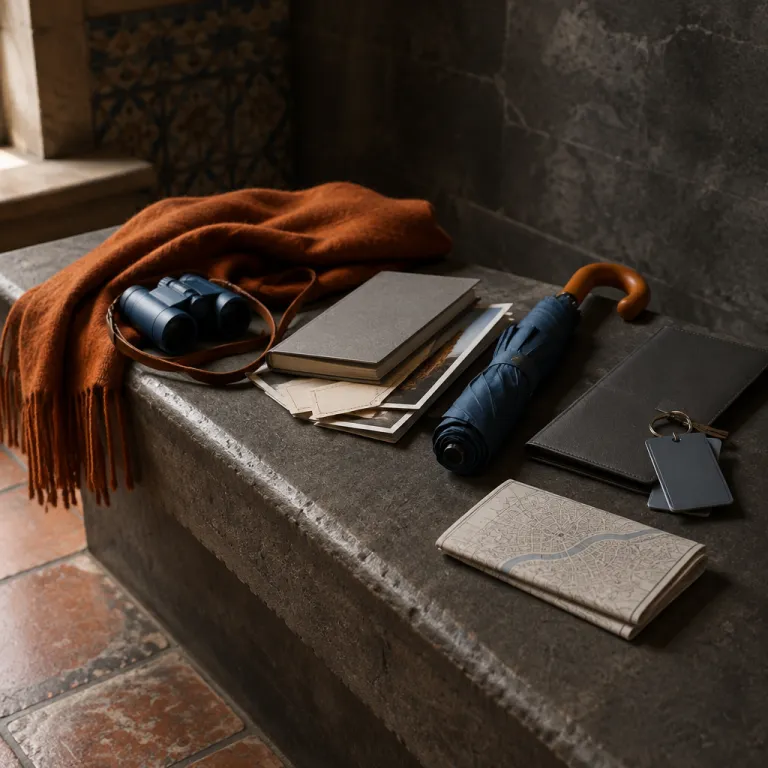
Why cultural hotels in Andalusia shine in autumn
Autumn in Andalusia changes everything for culture focused couples. The fierce light of high summer softens, and heritage hotels across the region finally feel aligned with the slower rhythm of the cities. Days are still long enough for unhurried museum visits, yet the evenings invite you back to your hotel for a glass of sherry in a quiet courtyard.
Across Andalusia, from Seville to Granada and Córdoba, many of the most characterful places to stay occupy former palaces, convents or noble houses. Properties such as Hotel Casa 1800 Sevilla, near Calle Rodrigo Caro in the Santa Cruz quarter, or Hospes Palacio de los Patos in central Granada place you within walking distance of the main historic sights, so you can move easily between monuments, tapas bars and your room without battling the heat. For couples, that proximity means you can step out for an hour, return to cool rooms, then head back into the city when the light turns golden.
Compared with many other cities in Europe, Andalusia in autumn offers a rare balance of warmth and comfort. According to Spain’s AEMET weather service, daytime temperatures in October in Seville and Córdoba often hover around 22–26°C, so you still feel the Andalusian sun on your face, but you can linger in courtyards and on roof terraces without seeking shade every minute as in high summer. This is when cultural hotels in Andalusia truly reveal their character, from hand painted tiles to carved wooden ceilings that you can actually appreciate at midday.
Choosing the right hotel in this season is less about air conditioning and more about atmosphere. Look for places with inner patios, small gardens or a pool where you can pause between visits to major sites such as the Real Alcázar in Seville or the Mezquita-Catedral in Córdoba. In autumn, a hotel rich in history and calm becomes the perfect base, especially when its rooms open onto cloistered galleries or orange scented courtyards.
Many of the most interesting hotels in Andalusia at this time of year sit on the edge of the historic centre, in the best area for balancing quiet nights with easy access to restaurants. These properties often occupy a restored country estate or city palace, with thick stone walls that keep rooms naturally cool. When you return from a concert or flamenco performance, the contrast between the lively city and your quiet room feels luxurious rather than remote.
Seville’s autumn arts season and characterful stays
Seville is the city where cultural hotels in Andalusia in autumn feel most theatrical. As the heat fades, the autumn arts and flamenco season fills theatres, patios and former palaces with performances that locals actually attend. The Bienal de Flamenco, held in September and early October in even numbered years, and the Festival de las Naciones in Parque de María Luisa give the city a festive but relaxed energy. Couples can spend days moving between exhibitions, intimate tablaos and shaded plazas, then retreat to a hotel that mirrors the city’s layered history.
In the Santa Cruz quarter, several luxury hotels occupy former mansions with tiled courtyards and rooftop terraces. These hotels often offer rooms arranged around patios, where the only sounds are fountains and distant church bells from the city beyond. For a romantic stay, request a room facing an inner courtyard rather than the street, as this usually guarantees a quiet atmosphere even when festivals animate the surrounding lanes.
Autumn is also the best time to pair Seville with a rural escape in western Andalusia. Many couples split their trip between a city hotel and a country estate in the province of Cádiz, where whitewashed villages such as Vejer de la Frontera sit above rolling olive groves. A few refined hotels near Jerez de la Frontera combine sherry tastings with access to the Atlantic coast, creating a perfect contrast with Seville’s dense urban fabric.
From Seville, it is easy to plan a wider road trip that links cultural cities with coastal and inland landscapes. If you enjoy elegant driving itineraries, you might combine Seville with refined routes around Valencia using guidance from curated driving getaways in Spain. Returning to Seville afterwards, a hotel with a small pool on the roof becomes a welcome luxury, especially when autumn afternoons still reach swimming temperature.
When comparing hotels in Seville, pay attention to how each property frames its connection to local culture. Some hotels commission contemporary Andalusian artists, while others focus on traditional ceramics or textiles in their rooms. For a culture first trip, prioritise places that offer guided walks, access to private patios or curated recommendations for performances, rather than simply listing generic navigation links to attractions.
Granada in autumn light: from Alhambra views to carmen houses
Granada is where cultural hotels in Andalusia in autumn reach their most atmospheric expression. The city sits beneath the Sierra Nevada and the Sierra de Huétor, so the air turns crisp earlier than in Seville, and the evening light over the Alhambra becomes softer and more dramatic. Couples who struggled with the crowds and heat of high summer often return in autumn and finally understand why Granada is considered one of the best cities in Europe for cultural travel.
Staying in a carmen, the traditional Granada house with a garden and views, is particularly rewarding in this season. Many of these houses have been converted into intimate hotels with terraces facing the Alhambra, where you can watch the walls shift from ochre to deep red as the sun sets. Choose a room with a balcony or large windows, and you will feel as if the monument is part of your private estate, especially when the surrounding trees begin to turn.
For couples planning several days in the city, a hotel near the Albaicín or Realejo districts offers the best area for walking to both the Alhambra and the main content of the lower city. Some hotels provide rooms that open directly onto small gardens surrounded by olive trees and climbing jasmine, creating a quiet refuge between visits. If you prefer a more contemporary feel, look for a hotel rich in modern design but housed within a restored palace, so you still sleep inside Granada’s history.
Granada also works beautifully as part of a longer itinerary that includes Spain’s other major cultural hubs. When deciding whether to start your trip in Madrid or Barcelona, you can use comparative guides such as this analysis of Spain’s flagship cities for luxury stays. From Madrid, high speed trains to Granada now take around three and a half hours, while services from Barcelona usually require a change and take closer to six and a half hours, and short flights under ninety minutes connect easily to Granada, allowing you to arrive rested and ready to explore rather than exhausted from driving long distances.
Once in Granada, give yourself at least half a week to move beyond the headline sights. That extra time lets you enjoy the city’s Arab baths, contemporary art spaces and local flamenco in the Sacromonte caves without rushing. In autumn, when cultural hotels in Andalusia are less pressured by peak season demand, you are more likely to secure a room with a view or a late checkout that suits a slower rhythm.
Córdoba, white villages and the quiet country estates
Córdoba feels almost meditative in autumn, especially compared with the intensity of its spring patio festival. Cultural hotels in Andalusia in autumn here tend to occupy former convents or noble houses, with rooms arranged around cloistered courtyards scented with orange blossom. Staying in the historic centre places you within minutes of the Mezquita-Catedral, yet the right hotel can feel as quiet as a rural retreat.
Many couples pair Córdoba with time in the surrounding countryside, where whitewashed villages sit among rolling hills. In these areas, a restored country estate often functions as a small luxury hotel, with a pool overlooking olive groves and low stone walls. Autumn is olive harvest season, so you can walk through surrounding olive trees, taste new season olive oil and return to your room to find local products waiting as part of a thoughtful turndown service.
Driving between Córdoba, Granada and the province of Málaga reveals another side of Andalusia. The sierra around Loja, often referred to as the Sierra de Loja, and the nearby Sierra de las Nieves, sometimes shortened locally to Sierra Las Nieves, offer landscapes of limestone peaks and deep valleys. Several discreet hotels sit on private land here, each country estate offering rooms with fireplaces, long views and a sense of being far from any city while still within reach of major cultural sites.
For couples who enjoy both culture and outdoor time, basing yourselves in one of these estates can be perfect. You might spend the morning exploring Córdoba’s historic streets, then drive back through the sierra in late afternoon, arriving at your hotel in time for a swim in the pool before dinner. Articles such as guides to Andalusia’s quieter seasons underline how this shoulder period suits travellers who prefer space and calm.
In these rural areas, cultural hotels in Andalusia in autumn often express heritage through architecture and gastronomy rather than proximity to monuments. Expect thick stone walls, terracotta floors and menus built around local game, seasonal vegetables and estate produced olive oil. When you wake to silence broken only by distant bells from a white village, you understand why many travellers consider this the best area for reconnecting as a couple.
Designing a culture first itinerary around autumn stays
Planning a culture led journey through Andalusia in autumn starts with choosing the right sequence of cities and estates. For many couples, a classic arc runs from Seville to Córdoba to Granada, with a final night or two on a quiet country estate near Cádiz or in the sierra. Cultural hotels in Andalusia in autumn along this route allow you to balance intense days of sightseeing with slow mornings by the pool or in shaded gardens.
When comparing hotels, focus on how each property supports your cultural plans rather than just its star rating. A hotel that offers early breakfast, flexible check in and late checkout can make it easier to secure prime timed entries for the Alhambra or the Alcázar in Seville. Some hotels also provide guidance on avoiding the busiest main entrances or arrange private guides, which can transform your understanding of each monument.
Room selection matters more than many travellers realise, especially in historic buildings. Ask whether your room faces an inner courtyard, a quiet side street or a busy plaza, as this will shape your experience of the city’s soundscape. In cultural hotels in Andalusia in autumn, the best rooms often combine original features such as carved ceilings with modern comforts, while still feeling intimate enough for a romantic stay.
Digital details deserve attention too, even if they seem minor. Well designed hotel websites now place skip navigation links and clear main content sections at the top of each page, which makes it easier to find accurate information about rooms, estate facilities and local experiences. This level of care often reflects a broader commitment to guest experience, from check in to the final espresso before departure.
Finally, think about how you want to feel at each stage of the journey. Start in a lively city hotel where you can walk everywhere, then shift to a quieter property on a country estate once you have absorbed the main cultural highlights. By the time you leave Andalusia, cultural hotels in Andalusia in autumn will have framed not only what you saw, but how you moved, rested and connected throughout the trip.
FAQ
Why is autumn the best time to visit cultural hotels in Andalusia ?
Autumn brings milder temperatures, fewer crowds and a richer cultural calendar across Seville, Granada and Córdoba. You can visit major monuments in comfort, then return to hotels that feel calm rather than overrun. This season also coincides with harvest time, so many properties highlight local olive oil, wine and seasonal produce.
How many days should a couple spend in Seville, Córdoba and Granada ?
For a culture focused trip, plan at least two nights in Seville, two in Córdoba and three in Granada. This half week in Granada allows time for the Alhambra, the Mezquita-Catedral and Seville’s Alcázar without rushing between cities. Adding one or two nights on a country estate creates a balanced itinerary with both urban and rural experiences.
Are rural country estates in Andalusia suitable for luxury stays ?
Many restored country estates in Andalusia now operate as refined hotels with high service standards. Expect comfortable rooms, landscaped gardens, pools and menus built around local ingredients such as olive oil and seasonal vegetables. These estates work especially well in autumn, when the surrounding olive groves and sierra landscapes are at their most atmospheric.
Do cultural hotels in Andalusia usually have pools and outdoor spaces ?
In cities, many historic hotels offer small rooftop or courtyard pools, while rural estates often feature larger pools with views of the sierra or olive groves. Outdoor terraces and patios are common, providing quiet spaces to rest between sightseeing. When booking, check whether the pool is heated, as autumn evenings can be cooler, especially near the mountains.
How far in advance should I book cultural hotels in Andalusia for autumn ?
Autumn is increasingly popular with travellers who avoid high summer, so booking several months ahead is wise for sought after properties. Hotels near the Alhambra or in Seville’s Santa Cruz district can fill quickly during cultural festivals. Flexible dates and openness to different room categories will improve your chances of securing the best options.