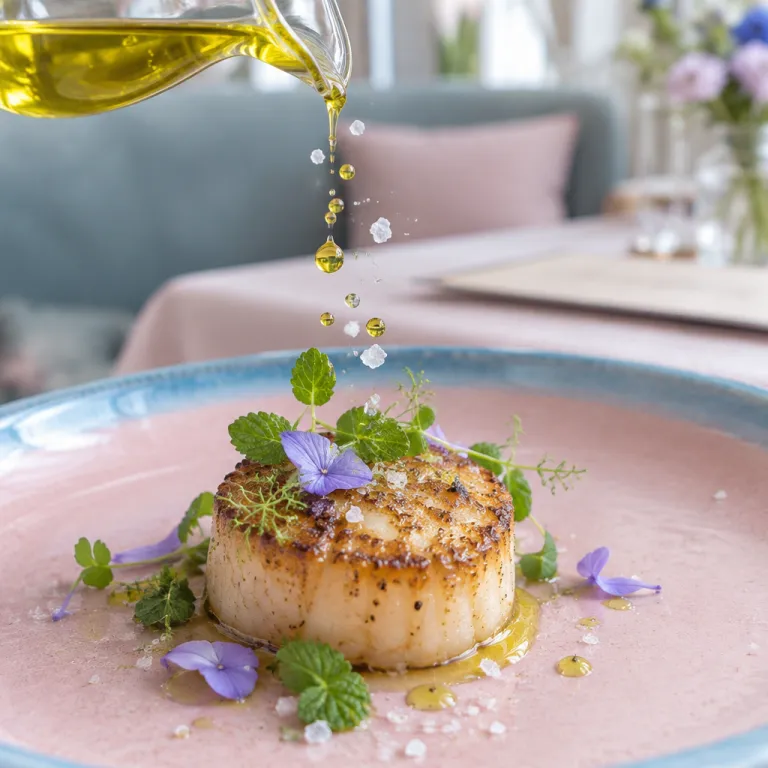
From room key to reservation: why the table now leads the stay
In Spain’s luxury hotels, the restaurant has quietly moved to center stage. For many couples planning a romantic escape, the main filter is no longer the spa menu or the thread count but which star restaurant anchors the lobby and how many Michelin stars shape the night. When travelers search for star chef hotel restaurants Spain, they are really asking which properties turn dinner into the defining memory of the trip.
This shift began when Spanish hoteliers realized that food obsessed guests will cross Spain for a single plate, then happily build three nights around it. A hotel that hosts a serious Michelin star restaurant can suddenly compete with long established city icons, and the most ambitious restaurants Spain now negotiate from a position of strength when they bring their stars into a hotel partnership. The result is a new map of star restaurants where the room key becomes a backstage pass to the kitchen rather than just a place to sleep after a late service.
Couples who once booked a room and then searched for nearby restaurants now reverse the step and start with the chef. They look at which properties host Michelin starred dining rooms, how many stars the team holds in the Michelin Guide and whether the concept feels intimate or scaled for volume. In this new landscape, a single star restaurant can justify a higher nightly rate, because guests know that their limited time in Spain will be framed by a carefully choreographed sequence of food, wine and service rather than a generic hotel dinner.
Imported names and hotel stages: when the chef brand drives the booking
International brands have leaned into this trend by importing marquee chefs, turning their dining rooms into stages for global names rather than purely local food narratives. At Mandarin Oriental Punta Negra in Mallorca, the entire culinary program has been built around Nobu and Dani García’s Lena, signaling that star chef hotel restaurants Spain are now part of the core identity rather than an add on. Bless Ibiza follows a similar script with Coya and another Lena outpost, positioning its restaurants as headline acts for couples who plan their time around late dinners and long tasting menus.
These collaborations can be thrilling when they work, especially for guests who already follow Spain Michelin news and track where their favorite chefs open next restaurants Spain wide. A Nobu or Dani García concept carries the promise of a refined recipe structure, precise handling of vegetables and seafood and a service choreography honed across several starred restaurants. Yet the same strengths can slide into formula when the restaurant simply copies a menu, down to the last gram of sugar in the dessert cookies, without responding to the island’s markets or the small seasonal shifts that make a Basque Country dining room feel alive.
Before you book, read the hotel’s restaurant page as carefully as you would its privacy policy and look for clues about how the kitchen actually operates. Does the text explain that the star restaurant is a licensed brand with a local executive chef, or does it clearly state that the resident team has grown with the property and adapts the menu over time. For a deeper look at how dining rooms have become performance spaces in their own right, our guide on how Spain’s hotels reinvent the restaurant stay unpacks the way service, lighting and even a video showing the plating can turn dinner into the main event.
Local kitchens, regional pride: the counter trend to celebrity rollouts
Alongside the imported star model, a quieter movement is reshaping star chef hotel restaurants Spain from the inside out. Some properties now choose to back local chefs who grew up in the region, sometimes trained in a high school hospitality program, and then returned home after time in Michelin starred kitchens. These hotels may never chase three Michelin stars, yet they often deliver the most grounded sense of place through small seasonal menus and a close relationship with nearby producers.
In the Basque Country, for example, couples who love the energy of San Sebastián’s pintxo bars often seek hotels where the restaurant channels that same spirit rather than replicating an international concept. A chef who once staged in a Martin Berasategui kitchen might now run a modest star restaurant inside a coastal property, using techniques learned from Martín Berasategui while cooking vegetables and fish pulled from markets within a few kilometres. The result can feel less like a branded experience and more like being invited into a private dining room where every step of the recipe reflects the landscape outside.
This counter trend matters for travelers who want their time in Spain to feel regionally specific rather than interchangeable between cities. When you compare options, ask whether the hotel supports a single chef’s long term vision or rotates pop ups that change every few minutes mins of trend cycles. For couples planning a wider itinerary that might include Andalusia or even Turkey, our piece on elevating your stay with premium experiences in Granada and beyond shows how regional kitchens can anchor a journey just as powerfully as any global name.
How to read a hotel restaurant like a critic before you book
Choosing among star chef hotel restaurants Spain can feel daunting when every website promises the best restaurants and flawless service. Start by looking beyond the star count and asking how the restaurant fits into your own rhythm as a couple, including whether you prefer a long tasting menu or an easy sequence of shared plates. A dining room that chases Michelin stars may offer extraordinary precision, but it will not always match the relaxed mood you want after a day exploring a city or coastline.
When you scan menus, notice how the kitchen treats simple food elements such as vegetables, sauces and desserts rather than only the headline proteins. A thoughtful recipe will balance richness and acidity, perhaps using a red pepper emulsion or a small hit of sugar in a citrus granité, while still letting the main ingredient speak. If the online gallery includes step photos or even a short video showing the plating, you can often sense whether the restaurant is obsessed with technique for its own sake or uses it to support flavour and hospitality.
Practical details matter as much as stars when you are planning a romantic night. Check how many minutes the hotel suggests you allow between spa appointments and dinner, whether the restaurant can adapt a tasting menu into a shorter cook minutes format and how clearly the team communicates policies that sit alongside the privacy policy on the booking page. For couples travelling with children or planning multi generational trips, our guide to elegant ways to enjoy Barcelona with kids in premium comfort shows how to balance serious dining with family friendly timing and spaces.
Designing a couple’s itinerary around Spain’s hotel dining rooms
For many readers of myspainstay.com, the real question is how to build an itinerary where star chef hotel restaurants Spain shape the journey without overwhelming it. One approach is to anchor your route with two or three nights in properties that host Michelin starred dining rooms, then fill the remaining time with smaller hotels near lively neighbourhood restaurants. This balance lets you enjoy the theatre of a star restaurant while still leaving space for spontaneous tapas bars and unplanned late night stops.
If San Sebastián and the wider Basque Country sit on your wish list, consider pairing a stay near the old town with a night in a coastal hotel that takes food as seriously as any city address. You might spend one evening grazing on pintxos, then reserve the next for a long dinner where the chef, perhaps inspired by Martín Berasategui or another local master, guides you through a step by step journey of the region’s seafood and vegetables. In both cases, the restaurants Spain offers will frame your memories more vividly than any room category name or spa treatment list.
Couples who travel often learn to treat each booking as a recipe, adjusting the ratio of star power to intimacy depending on mood and season. Some trips call for the full Michelin Guide experience, complete with three Michelin star temples and carefully timed courses that stretch over several hours, while others feel better with one Michelin star restaurants that serve refined food in a relaxed setting. Whatever you choose, remember that the real luxury in Spain Michelin culture is not the number of stars but the way a dining room can make you feel unhurried, understood and quietly celebrated at your own table.
FAQ
Are Michelin starred hotel restaurants in Spain worth planning a trip around
For couples who care deeply about food, planning a journey around Michelin starred hotel restaurants in Spain can be immensely rewarding. These dining rooms often combine precise cooking with seamless service and the comfort of simply taking an elevator back to your suite. The key is to choose properties where the restaurant feels integrated into the hotel’s identity rather than a detached brand exercise.
How can I tell if a star restaurant in a hotel is truly chef led
Read the hotel’s restaurant page carefully and look for details about the resident executive chef, their background and how long they have been with the property. If the description focuses only on a famous name without explaining who cooks daily, you are likely seeing a licensed concept rather than a fully chef led kitchen. Reviews that mention seasonal menus and close relationships with local producers are usually a positive sign.
Do I need to book far in advance for hotel restaurants with Michelin stars
Most Michelin starred hotel restaurants in Spain recommend booking several weeks ahead, especially for weekend dinners and peak holiday periods. Smaller dining rooms or those attached to resorts in the Balearic Islands and the Basque Country can fill quickly when international guests and locals compete for the same tables. If a particular restaurant is the main reason for your stay, secure the reservation before you finalize non refundable room bookings.
Are hotel restaurants in Spain suitable for guests with dietary restrictions
Many high end hotel restaurants in Spain handle dietary restrictions with care, but the level of flexibility varies by property and concept. Tasting menu focused kitchens may need advance notice to adjust recipes, while more casual restaurants can often adapt dishes on the day. Always communicate your needs clearly when reserving and confirm them again with the team when you arrive.
Is it better value to stay in a hotel with a star restaurant or dine there as an external guest
Staying in the hotel adds convenience and sometimes access to special menus or priority reservations, which can justify the higher room rate for special occasions. Dining as an external guest may be more economical if you mainly want the restaurant experience without the full resort facilities. Consider how much time you plan to spend on property and whether the overall atmosphere suits the kind of trip you are designing.