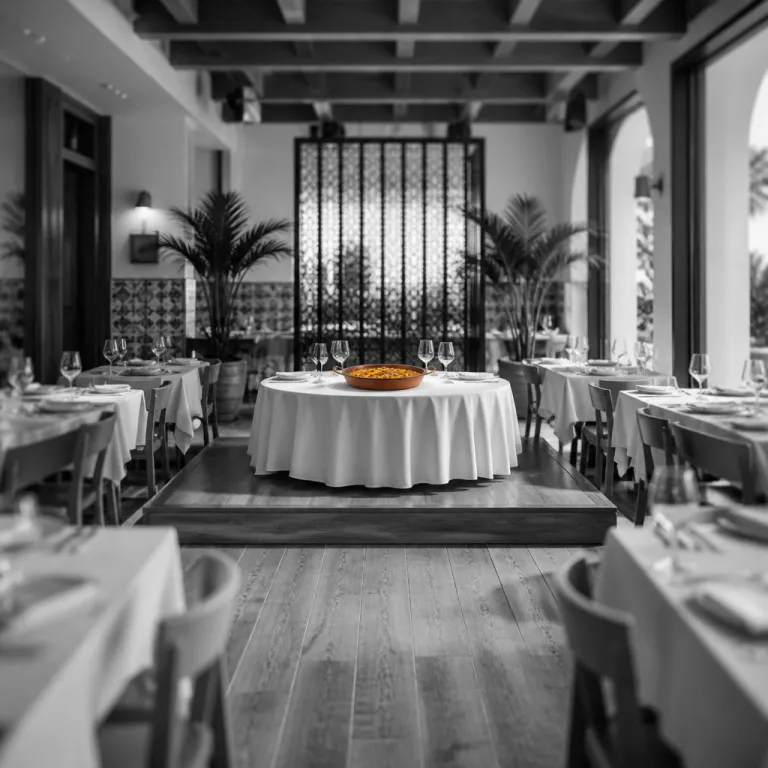
From room with restaurant to immersive dining destination
Spain’s high-end hotels are no longer selling just a room and a view. They are selling an immersive dining narrative where the restaurant becomes the reason to travel and the hotel simply completes the experience. For many guests booking a luxury hotel in Spain today, the question is not which hotel has the best room but which immersive culinary hotel in Spain can turn dinner into theatre.
Hospitality industry analysts now describe Spanish hotels as innovators that treat food and beverage as a key stage, not a side revenue stream. According to Alimentaria’s 2022 analysis of European luxury hospitality, food and beverage can contribute up to 35–40 percent of total revenue in many upscale properties, so the dining scene has become the strategic heart of the hotel rather than a pleasant extra for tired travelers. This shift explains why the best hotels invest in advanced kitchen technology, digital reservation systems and art-immersive lighting to choreograph every course.
For you as a solo explorer, this means your next travel decision might start with a chef rather than a suite. You may compare hotels in Madrid or coastal towns by their culinary concepts, their wine pairings and whether they host visiting chefs from restaurants in London or even Los Angeles. This new wave of immersive dining hotels in Spain turns the stay into a curated culinary journey where each restaurant and bar is a chapter.
Spanish hotels work closely with local producers, event organizers and culinary schools to build these experiences. They redesign dining rooms, terraces and bars as flexible stages where immersive sound, projection and storytelling wrap around the plate. When you scroll a hotel guide online, skip content that treats the restaurant as an afterthought and focus on properties where the culinary team leads the narrative.
Many of these hotels now host pop-up restaurants and seasonal residencies that attract both international guests and local diners. The result is a constant flow of new experiences that reward repeat travel and encourage you to return for a different restaurant concept each season. In this landscape, the immersive gastronomy hotel model is less about a single signature dish and more about a living programme of experiences.
Sublimotion Ibiza and the rise of multi sensory gastronomy
On Ibiza, Sublimotion at Hard Rock Hotel Ibiza is often cited as the purest expression of Spain’s immersive hotel dining movement. Conceived by chef Paco Roncero and launched in 2014, this Michelin-level experience uses projection mapping, sound design and scent to turn a tasting menu into a full sensory journey. The room itself becomes an art-immersive canvas where each course triggers a new world.
Here, the dining room is a theatre in which only a handful of guests share the stage with the culinary team. Lighting shifts with the wine pairing, walls transform into coastal towns or a futuristic beach town, and the soundtrack changes as plates arrive. It is a restaurant experience that could sit comfortably in Los Angeles or London, yet its soul remains deeply local and Mediterranean.
Immersive concepts like Sublimotion show how Spanish hotels integrate entertainment and gastronomy to differentiate themselves. They use advanced kitchen equipment, innovative interior design and digital reservation systems to manage demand for these high-value experiences. For many travelers, securing a seat here is the key reason to book the hotel rather than a separate restaurant in town.
Across Spain, other hotels follow with their own interpretations of immersive dining. Some create fine dining tasting menus that spotlight estate-to-plate produce from nearby vineyards and farms, while others host visiting chefs from restaurant groups in London or Michelin-star kitchens abroad. If you want a structured overview of where Michelin stars and hotel keys intersect, explore this curated guide to Spain’s gastronomic hotel stays.
These projects are not gimmicks; they are strategic responses to evolving guest expectations and fierce competition. Spanish hotels aim to offer unique dining experiences, attract diverse clientele and boost brand reputation through memorable culinary storytelling. As one industry summary of 2023 trends puts it, “Spanish hotels are transforming dining areas into immersive culinary experiences.”
Michelin stars as architecture: Madrid, Barcelona and beyond
In Spain’s major cities, the immersive dining hotel trend is reshaping how properties are designed from the ground up. In Madrid and Barcelona, Michelin-star chefs are treated almost like architectural features, anchoring the flow of guests through lobbies, bars and terraces. The restaurant is no longer tucked away but placed at the emotional centre of the hotel.
Mandarin Oriental, Barcelona, for example, has long used its Michelin-level culinary programme to define the property’s identity. Guests move from the street into a lobby that subtly directs them toward the restaurants and bars, where local produce, serious wine lists and refined fine dining menus set the tone. The hotel becomes a guide to the city’s dining scene, not just a place to sleep between meals.
In Madrid, the arrival of global brands such as Nobu signals how international restaurant culture now shapes Spanish hotel design. Nobu’s model, refined between Los Angeles and London, places the restaurant at the core of the guest experience, with rooms orbiting around the dining room’s energy. For solo travelers, this means you can land, check in and immediately plug into a social yet relaxed culinary environment.
These hotels often run parallel programmes that go beyond dinner. Afternoon tea services reinterpret Spanish pastries with Japanese or Latin American accents, while plant-based tasting menus sit alongside classic Michelin-star dishes. Estate-to-plate partnerships with nearby producers extend into curated wine tastings and chef-led market tours that feel more like cultural experiences than standard hotel activities.
If wine is central to your travel plans, look for hotels that collaborate closely with serious bodegas. Some properties in Rioja and Ribera del Duero now offer by-appointment access to top wineries, a model explored in depth in this feature on Spain’s best winery hotel experiences. In these cases, the restaurant, cellar and vineyard form a single immersive ecosystem that turns a simple stay into a structured gastronomic journey.
Solo at the chef’s table: why one seat can be an advantage
For the independent traveler, Spain’s immersive hotel dining trend quietly changes the rules of solo eating. A table for one is no longer an awkward compromise but a prized seat at the edge of the stage. In many hotels, the best place to sit is the chef’s counter or a bar stool facing the open kitchen.
Spanish hotels have learned that solo guests are often the most curious and engaged diners. They ask questions about local ingredients, request plant-based alternatives and stay for a final glass of wine at the bar. This curiosity encourages teams to refine their culinary storytelling and treat each solo restaurant experience as a chance to test new ideas.
Look for properties that design their spaces with this in mind. Counter seating, intimate bars and flexible communal tables allow you to slide into the dining scene without feeling exposed or rushed. When browsing a hotel guide online, skip content that only shows large banqueting rooms and instead focus on images of chef’s tables, compact bars and small restaurants with open kitchens.
In coastal towns and every beach town with serious gastronomy, the best hotels often place their most immersive seats facing either the kitchen or the sea. You might start with afternoon tea on a shaded terrace, move to a tasting menu at the counter and finish with a nightcap in a candlelit bar. Each step is part of a single, continuous experience rather than separate transactions.
For many solo explorers, this structure removes the friction of planning multiple restaurant bookings across a city. You can arrive, unpack and let the hotel’s culinary team guide you through the best restaurants within the property and beyond. In an immersive Spanish hotel context, the maître d’hôtel becomes your local guide, your sommelier and sometimes your informal concierge for the wider dining scene.
Estate to plate: how regional Spain shapes hotel gastronomy
Outside the big cities, Spain’s immersive hotel movement takes on a distinctly regional flavour. In Basque Country, Catalonia, Andalusia and Galicia, hotels are turning their restaurants into platforms for nearby farms, fisheries and vineyards. The estate-to-plate philosophy goes beyond farm to fork by integrating producers into the very design of the guest experience.
Many Spanish hotels now partner formally with local food producers, culinary schools and event organizers. They host seasonal festivals, themed weekends and pop-up restaurants that highlight a single ingredient, a specific valley or one family-run bodega. For guests, this means your travel dates can align with harvests, fishing seasons or wine releases, adding another immersive layer to your stay.
On the Andalusian coast, for example, refined spa hotels in Málaga and nearby coastal towns pair thalassotherapy with serious gastronomy. If you are planning a refined Andalusian escape, this detailed guide to an elegant spa hotel stay in Málaga shows how wellness, wine and seafood can form a single narrative. Here, the restaurant is not just a service but the lens through which you understand the region.
In the north, estate to plate often means menus built around Atlantic seafood, small-scale vegetable growers and cool-climate vineyards. Hotels curate wine lists that read like maps, guiding guests through appellations with the precision of a travel guide. The best restaurants in these properties feel like condensed versions of the surrounding landscape, translated into tasting menus and casual dining options.
For you as a traveler, the key is to read between the lines of hotel marketing. Look for explicit mentions of producer partnerships, seasonal menus and immersive events rather than generic references to “local cuisine.” When a hotel treats its restaurant as a stage for regional culture, you can expect a richer, more coherent experience that justifies planning your entire trip around a single stay.
How to choose your immersive dining hotel in Spain
When you start planning, approach your search for an immersive culinary hotel in Spain as you would choose a serious restaurant. Begin with the culinary concept, the chef’s background and the strength of the wine programme. Only then move on to room categories, spa facilities and pool views.
First, map your travel priorities. Are you chasing Michelin-star tasting menus, relaxed fine dining with strong plant-based options, or a lively bar scene with tapas and natural wine? Your answers will determine whether you focus on urban hotels with multiple restaurants or coastal retreats where one dining room anchors the entire experience.
Second, read menus and event calendars carefully. Properties that take immersive dining seriously will publish detailed information about seasonal experiences, visiting chefs and art-immersive collaborations. If a hotel hosts pop-up restaurants or themed weekends, that is usually a sign that food and beverage sit at the strategic core of the operation.
Third, pay attention to how hotels talk about their guests. When they highlight collaborations with local communities, describe partnerships with producers and reference culinary schools, you can expect a more thoughtful restaurant experience. If the website invites you to skip content about generic amenities and instead explore stories about the kitchen, the cellar and the bar, you are in the right place.
Finally, remember that Spain’s immersive hotels compete on authenticity as much as on spectacle. A quiet chef’s counter in a coastal town, serving a short menu of perfect seafood and vegetables, can be as powerful as a multi-sensory show in Ibiza. Choose the stage that matches your own rhythm, and let the restaurant stay shape the rest of your journey.
FAQ
Which Spanish hotels offer unique immersive dining experiences?
Many hotels across Spain are innovating their dining offerings; specific examples vary by region. In Ibiza, Sublimotion leads the multi-sensory movement, while in cities like Madrid and Barcelona, luxury hotels partner with Michelin-level chefs to anchor their restaurants. In wine regions and coastal towns, smaller properties focus on estate-to-plate menus that connect guests directly with local producers.
How can I book a themed dining event in a Spanish hotel?
The most reliable way is to contact the hotel directly or visit its official website for reservations. Immersive experiences often have limited seating, so booking well in advance is essential, especially during peak travel periods. Some properties also use digital reservation systems that allow you to secure both your room and your restaurant experience in a single transaction.
Are immersive dining experiences available year round in Spain?
Availability depends on the hotel and the specific concept. Flagship immersive restaurants in major hotels usually operate throughout the year, while seasonal pop-ups and chef residencies may only run for a few months. Always check dates carefully and confirm whether a particular experience will be active during your stay.
Is immersive hotel dining suitable for solo travelers?
Yes, immersive dining formats in Spanish hotels often work especially well for solo guests. Counter seating, chef’s tables and lively bars make it easy to feel part of the action without needing a large group. Many teams appreciate engaged solo diners and will tailor the pace and storytelling of the meal to your interests.
Do immersive hotel restaurants in Spain cater to plant based diets?
Most serious luxury hotels in Spain now offer thoughtful plant-based options, particularly in their fine dining outlets. Menus may include dedicated tasting sequences or à la carte dishes built around seasonal vegetables, grains and legumes. When booking, inform the hotel of your preferences so the culinary team can prepare a fully coherent plant-based experience.
Sources
- Alimentaria – 2022 analysis of food and beverage revenue share in European luxury hospitality, indicating F&B can reach roughly 35–40% of total hotel revenue in some segments.
- Haute Retreats – overview of immersive culinary experiences and multi-sensory dining concepts in Spain’s high-end hotels.
- Cushman & Wakefield – 2023 data on Spanish hotel occupancy, ADR and RevPAR, providing context for investment in food and beverage concepts.