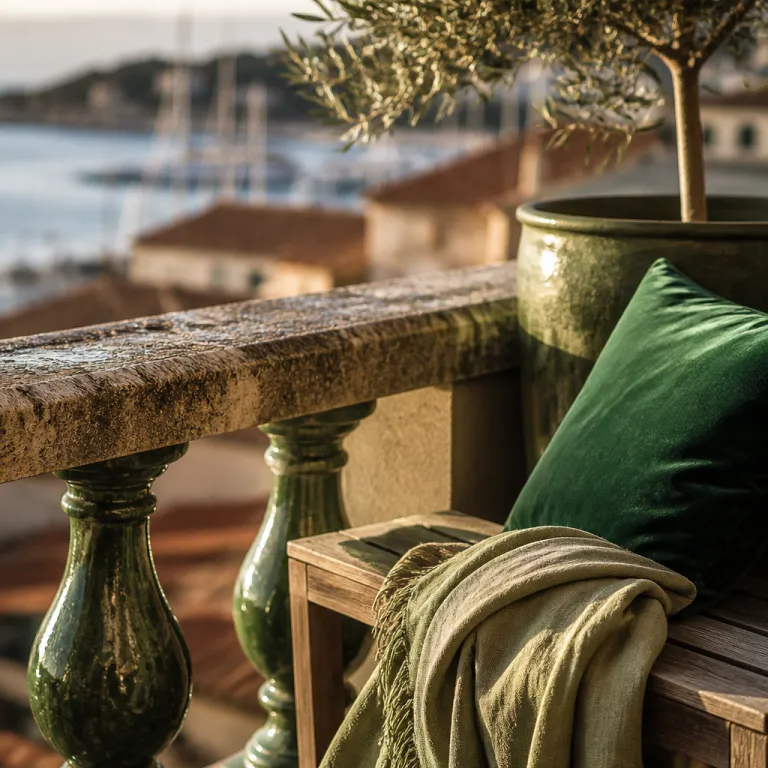
Why coastal cities in Spain define modern luxury travel
Spain offers more than sun and sand; its seaside cities combine heritage, gastronomy, and refined hospitality. Along an 8,000-kilometre shoreline, each harbour town or oceanfront city presents a distinct character that shapes how discerning guests choose where to stay. For travellers planning a premium trip, understanding how each town, village, and city differs is the best starting point.
Barcelona, Valencia, Málaga, Cádiz, Cartagena, Vigo, Santander, Almería, Bilbao, and San Sebastián are recognised as some of the best Spanish coastal cities for culture and comfort. Official tourism boards describe Barcelona as renowned for Antoni Gaudí’s architecture, while Málaga on the Costa del Sol is praised as Picasso’s birthplace and a gateway to some of the best beaches on the southern coast. These urban centres sit on both Mediterranean and Atlantic seas, so the sea views, climate, and style of luxury hotels vary significantly between northern Spain and the sunnier Costa del Sol.
For premium travellers, the choice between a lively Spanish port city and a quieter seaside town often shapes the entire road trip itinerary. Some guests prioritise a city stay with landmark museums and Michelin-starred dining, especially in San Sebastián and the Basque Country. Others prefer a fishing village or small resort communities such as Nerja or Tossa de Mar, where whitewashed houses, a natural park nearby, and a calm beach create a slower rhythm for the trip.
Choosing the right Spanish coastal city for your style of stay
Every shoreline destination in Spain offers a different balance of culture, beaches, and nightlife, so clarity about your priorities is essential. Barcelona and Valencia suit travellers who want a dynamic city on the sea, with long urban beaches, design-forward hotels such as W Barcelona or Hotel Las Arenas Balneario Resort, and easy access to nearby coastal towns. By contrast, Cádiz, Málaga, and Almería on the Costa del Sol and wider southern coast appeal to guests seeking warmer weather, relaxed promenades, and traditional tapas bars close to the beach.
San Sebastián in the Basque Country stands out among seaside cities for its elegant bay, La Concha beach, and world-class gastronomy. Official guidance from Spain’s national tourism portal notes that “San Sebastián is a Basque city known for La Concha beach and gastronomy”, and this reputation shapes the level of luxury hospitality available along its sea-facing promenade, including hotels such as Hotel de Londres y de Inglaterra. Santander and Bilbao, also in northern Spain, combine refined architecture, Atlantic beaches, and some of the best coastal views for travellers who appreciate cooler summers and dramatic coastlines.
On the Atlantic side, the Costa de la Luz and its smaller towns such as Cádiz and nearby fishing communities offer wide golden beaches and quieter evenings. Travellers interested in elegant coastal stays with golf access along this stretch can review curated options for the Costa de la Luz in a dedicated guide to elegant coastal stays and the best hotels for golf enthusiasts in Costa de la Luz. Whether you choose a large city or a small coastal town, the most rewarding experiences come from aligning the character of the place with your expectations for service, privacy, and proximity to the sea.
From Costa Brava to Costa Blanca : refined coastal retreats
The Mediterranean side of Spain is defined by a sequence of named stretches of coast, each with its own personality. The Costa Brava in Catalonia, the Costa del Maresme near Barcelona, the Costa Blanca around Alicante, and the Costa del Sol in Andalucía all host seaside resorts and historic ports that specialise in different styles of luxury stays. When planning a road trip along this Spanish coastal corridor, it helps to understand how each costa shapes the atmosphere of its towns and beaches.
The Costa Brava is known for rugged cliffs, pine-fringed coves, and historic towns such as Tossa de Mar, where a medieval walled village rises directly above the sea. Many travellers consider Tossa de Mar one of the best coastal towns in Spain for combining a family-friendly beach with romantic views and characterful houses on narrow lanes. Further south, the Costa Blanca offers long sandy beaches, modern marinas, and a mix of lively beach towns and quieter villages that suit couples seeking a relaxed but polished stay.
Luxury travellers who enjoy combining mainland seaside cities with island escapes often extend their trip to the Balearic or Canary archipelagos. For those planning refined stays on Spanish resort islands after time on the Costa Brava, Costa Blanca, or Costa del Sol, a specialised overview of Spanish resort isles for refined escapes can help structure the itinerary. Whether you focus on one costa or several, the key is to balance nights in a major city with time in smaller seaside communities Spain is famous for, so you experience both cultural depth and tranquil sea-facing relaxation.
Northern Spain’s coastal cities : Atlantic elegance and green landscapes
Northern Spain offers a very different coastal experience from the Mediterranean, with greener landscapes, cooler summers, and a strong maritime heritage. Cities such as San Sebastián, Santander, Vigo, and Bilbao line this Atlantic coast, each combining urban sophistication with easy access to beaches and coastal villages. For travellers who prefer walking along cliff paths and visiting a natural park to sunbathing on crowded beaches, this region often provides the best coastal balance.
San Sebastián is widely regarded as one of the best seaside cities in Spain for food-focused travel, thanks to its concentration of Michelin-starred restaurants such as Arzak and Akelarre and refined pintxo bars. The city’s La Concha beach curves elegantly around the bay, and many premium hotels here offer sea views that frame the surrounding hills of the Basque Country. Santander, with its graceful bay and historic houses, appeals to guests who value understated luxury, sailing, and proximity to both city culture and quieter beach towns along the Cantabrian coast.
Further west, Vigo in Galicia serves as a gateway to the Cíes Islands, which form part of a protected natural park with some of the most beautiful beaches in Spain. Travellers can base themselves in the city for comfort, then take day trips by boat to these islands, combining an urban stay with wild coastal scenery. A carefully planned road trip along northern Spain’s coast allows you to link major cities with small fishing communities, ensuring that each night’s stay reflects a different facet of Spanish coastal life.
Andalucía’s southern coast : Costa del Sol and beyond
The southern coast of Spain, especially the Costa del Sol, remains a classic choice for travellers seeking reliable sunshine, warm seas, and a wide range of luxury hotels. Málaga, the main city on this stretch of coast, combines a revitalised historic centre, important museums, and a busy port with easy access to beach towns in both directions. Many visitors choose to stay in Málaga for a few nights, then continue along the Costa del Sol to smaller resorts Spain promotes for their relaxed atmosphere and seaside promenades.
East of Málaga, Nerja stands out among Spanish coastal towns for its dramatic cliffs, sandy coves, and the famous Balcón de Europa viewpoint. This coastal town offers a more intimate feel than larger resorts, with whitewashed houses, a walkable centre, and beaches located beneath rugged headlands that create striking views. Westwards, the Costa del Sol blends into the Costa de la Luz, where Cádiz and its surrounding coastal towns present wide Atlantic beaches, a strong sense of history, and some of the best coastal sunsets in Spain.
Almería, further east along the southern coast, is recognised as one of the warmest and driest seaside cities in Spain, and it provides access to the Cabo de Gata natural park. This protected area features volcanic cliffs, hidden coves, and traditional fishing village settlements that appeal to travellers seeking quieter, more elemental landscapes. When planning a longer trip, many guests combine Málaga, Nerja, and Almería in a single road trip, ensuring a mix of city energy, charming coastal town stays, and wild sea-facing scenery.
Planning a luxury coastal itinerary and booking with confidence
Designing a luxury itinerary around Spain’s shorefront cities starts with mapping how many nights you want in each type of destination. A balanced plan might include a major city such as Barcelona or Valencia, a smaller coastal town like Nerja or Tossa de Mar, and at least one stay near a natural park or quieter fishing village. This structure allows you to experience both the cultural intensity of Spanish cities and the restorative calm of Mediterranean and Atlantic landscapes.
Booking strategy matters, especially for peak periods when the best coastal properties sell out quickly along the Costa Brava, Costa Blanca, and Costa del Sol. Families and couples who value sea views, direct beach access, and spacious suites or connecting rooms should secure reservations well before the high season, as explained in guidance on what smart families book before July fills up. For a seamless trip, align your road trip stages with confirmed hotel dates, ensuring that each coastal town or city stay flows logically along the coast without rushed transfers.
When comparing options across towns Spain promotes for tourism, focus on three elements : location, style, and access. Location determines whether you wake up directly on the beach, above a harbour in a coastal town, or in a historic city centre a short walk from the sea. Style and access define how easily you can reach nearby beaches, coastal towns, and cultural sites, so reading detailed descriptions and maps for each property in Spain’s coastal regions is essential before finalising your stay.
Statistics and key figures on Spain’s coastal cities
- Spain has approximately 8,000 kilometres of coastline, according to Spain’s official tourism portal (Turespaña, 2023), which means travellers can choose from hundreds of coastal towns and cities when planning a trip.
- Barcelona, Valencia, Málaga, San Sebastián, and Cádiz are consistently highlighted by national tourism data and visitor surveys as among the top coastal cities to visit in Spain, reflecting a strong concentration of cultural and hospitality infrastructure along these stretches of coast.
- Almería is identified by Spanish meteorological records from AEMET (Agencia Estatal de Meteorología, 2022) as one of the warmest and driest seaside cities in Spain, making it a reliable choice for sun-seeking travellers outside the traditional summer peak.
- Official city websites for Barcelona, Valencia, Málaga, Santander, Vigo, Cartagena, San Sebastián, Cádiz, Almería, and Bilbao provide up-to-date information on events and attractions, which is crucial for aligning luxury hotel bookings with local festivals and cultural calendars.
FAQ about luxury stays in Spain’s coastal cities
What are the top coastal cities in Spain for a first luxury trip ?
For a first high-end trip focused on Spain’s seaside cities, Barcelona, Valencia, Málaga, San Sebastián, and Cádiz form a strong shortlist. Barcelona and Valencia offer vibrant urban culture with long beaches, while Málaga and Cádiz provide classic Andalusian charm on the Costa del Sol and Atlantic coast. San Sebastián in northern Spain adds exceptional gastronomy and refined sea-facing promenades in the Basque Country.
Which Spanish coastal city is best known for architecture and design ?
Barcelona is the leading Spanish coastal city for architecture, especially the works of Antoni Gaudí such as the Sagrada Família and Park Güell. The city combines these landmarks with a modern waterfront, design-focused hotels, and a lively beach culture along the Mediterranean coast. Travellers who value architecture often pair Barcelona with nearby coastal towns on the Costa Brava for a varied stay.
Where can I find the warmest coastal climate in Spain ?
Almería is widely recognised as one of the warmest and driest seaside cities in Spain, with many sunny days across the year. The city sits on the southeastern coast and provides access to the Cabo de Gata natural park, where wild beaches and volcanic landscapes attract nature-oriented travellers. For consistently warm conditions, many visitors combine Almería with other towns on the Costa del Sol during the same trip.
How should I research coastal towns in Spain before booking ?
The most reliable approach is to consult official city and regional tourism websites for each coastal town or city you are considering. These sources provide updated information on beaches, cultural events, and transport, which helps you match your stay to your interests. Complement this with detailed hotel descriptions and maps so you understand exactly how close each property is located to the sea and main attractions.
Is it better to stay in one city or move between several coastal towns ?
For shorter trips of three to five nights, many travellers choose a single base in a major seaside city and take day trips to nearby beach towns. For longer holidays, a structured road trip linking two or three coastal towns and one large city often delivers a richer experience. The decision depends on how much you enjoy changing hotels versus settling into one stay and exploring the surrounding coast at a slower pace.