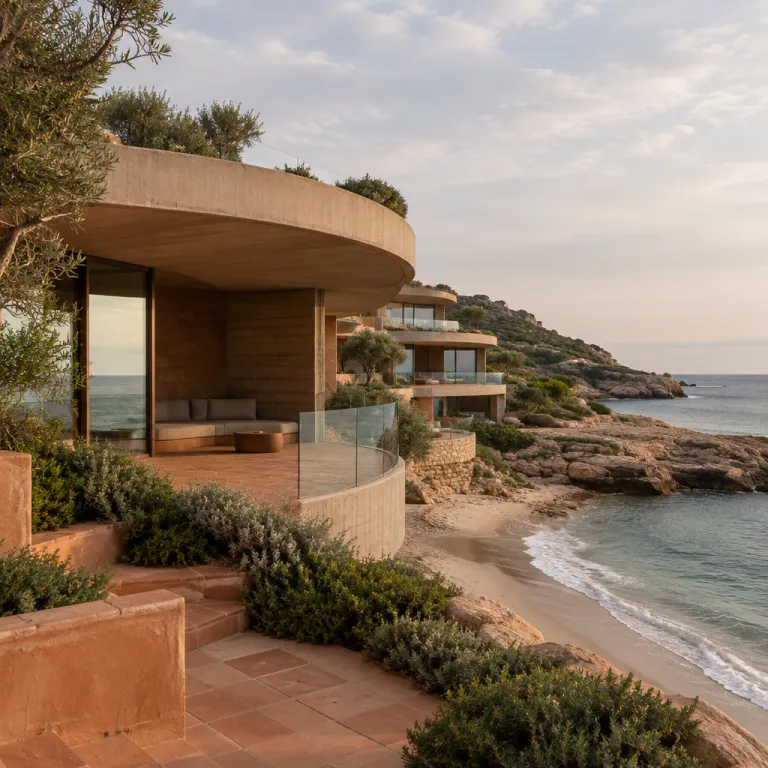
Mediterranean light as a blueprint for design hotels in Spain
Along Spain’s Mediterranean coast, the new generation of design hotels treats sunlight as its primary building material. Architects working on each coastal property now use concrete and glass not as cold statements, but as calibrated tools to frame the beach, the cove and the horizon in ways that feel quietly luxurious. For travelers comparing hotels in Spain, this shift in architecture changes how rooms, terraces and public spaces perform from sunrise to the late vermouth hour.
From Barcelona to Mallorca, Spanish coastal architects talk less about décor and more about orientation, shading and cross ventilation. They know these materials offer durability, modern aesthetics, strength and visual appeal, so concrete slabs and glass walls are tuned to the Mediterranean climate rather than imposed on it. As Barcelona-based architect Carles Ferrater has noted in interviews, “light is the real structure on this coast,” and that idea underpins many design driven coastal hotels in Spain, where the best properties choreograph light, shadow and sea breeze with almost obsessive precision.
In Barcelona, a new luxury hotel facing the seaside might step back from the beach behind a dune like berm, using low slung volumes and deep balconies to protect rooms from glare. The same design logic appears in coastal resorts further south, where minimalist architecture and pale stone keep interiors cool while still opening to private patios and rooftop pools. For guests, the result is a hotel aesthetic where the line between interior design and landscape design almost disappears, and where concrete, glass and cove feel like a single, coherent style.
Low key coastal retreats from Barcelona to Mallorca and Palma
Across Spain, the most interesting design hotels now keep their room counts deliberately low. Instead of 300 rooms stacked along the beach, you find 20 to 60 keys arranged around courtyards, cove facing pools or stepped seaside terraces that give almost every hotel room a private angle on the water. This low key approach to hotel design is reshaping expectations for both leisure guests and business travelers extending a stay after meetings in Barcelona or Palma.
On Mallorca, Spain’s most design forward island, the new wave of luxury hotels often hides inland from the busiest beach strips. A suite hotel near Palma Mallorca might place just 25 rooms around a central garden, using glass corridors and concrete colonnades to frame distant sea views while keeping the atmosphere hushed. When you compare options for adults only resorts in Mallorca with junior suites offering extra space and sea views, you will notice how the best properties use architecture rather than sheer size to deliver a sense of luxury and privacy.
In Palma itself, a carefully edited hotel Palma conversion might retain a stone façade while inserting a contemporary interior of polished concrete, warm wood and sculptural staircases. These coastal boutique hotels rarely shout about being a luxury destination, yet their interior design, restrained beach palette and thoughtful lighting feel more Mediterranean than any themed décor. For guests choosing between a hotel Barcelona stay and a long weekend in Mallorca Spain, the broader movement in Spanish coastal hotel architecture offers a consistent promise: fewer rooms, better space and a more personal relationship with the sea.
Atlantic weather, Basque cliffs and the power of coastal architecture
Spain’s Atlantic edge tells a different story, where design hotels must negotiate harsher weather, dramatic cliffs and a more changeable sea. Along the Basque coast, architects lean into heavier concrete forms, deeper overhangs and carefully shielded terraces that can handle wind, rain and salt without sacrificing style. Here, contemporary seaside hotels in Spain become a study in resilience, with properties perched above coves rather than directly on the beach.
Business travelers who know Barcelona’s glassy waterfront hotels are often surprised by the muscular architecture they meet from Getaria to Mundaka. When you plan a trip using a guide to the Basque coast by design, where to stay from Getaria to Mundaka, you will see how Spanish architects use thick walls, recessed windows and sheltered seaside palm courtyards to create calm microclimates. The same hotel design principles that protect against Atlantic storms also deliver exceptional acoustic isolation, which matters when you are taking calls from a suite hotel room while waves crash below.
Further south, in places like Cádiz or even Gran Canaria, the Atlantic influence still demands robust materials, but the light softens and the architecture opens again toward the beach. Hotels on these coasts often combine concrete frames with timber screens, allowing sea breezes to filter through while keeping interiors shaded and cool. For guests comparing beach hotels across Spain, the contrast between Mediterranean glass pavilions and Atlantic cliff hugging structures is part of the pleasure, and a reminder that coastal architecture is never one size fits all.
Sustainability, Spanish policy and architecture as the main amenity
Spain’s Sustainable Tourism Strategy 2030, approved by the Council of Ministers in 2021, has quietly become one of the strongest drivers behind the new language of coastal hotel architecture. The roadmap sets national targets for lower emissions, better water management and reduced seasonality, and tax incentives reward hotels that meet green building standards, so developers now brief Spanish coastal hotel architects to think about energy performance, water use and material longevity from the first sketch. The result is a generation of design hotels where the architecture itself, not the spa menu, is the main amenity.
Properties like Vivood Landscape Hotel in Alicante, designed by architect Daniel Mayo and opened in 2015 with just 25 suites, show how far this can go, with bioclimatic architecture, solar panels and rainwater harvesting integrated into a hillside that almost erases the hotel from view. According to the hotel’s own reporting, passive design and renewable systems cut operational energy demand by roughly 50% compared with a conventional rural resort of similar size. Macenas Mediterranean Resort in Mojácar follows a similar philosophy, using low rise concrete forms and earth toned façades to blend with the surrounding landscape rather than dominate the beach. Instead of relying on a single statistic, these built examples illustrate how contemporary Spanish coastal resorts now treat concrete and glass as tools for efficiency as well as style.
For travelers, the practical benefits are clear: cooler rooms without overreliance on air conditioning, better acoustic comfort and more generous outdoor spaces that still feel private. Many of the best luxury hotels now publish energy data and sustainability reports alongside their usual lists of offers and amenities, treating environmental performance as part of their luxury narrative. If you care about terroir and place, you will notice the same mindset in Spain’s vineyard hotels where terroir meets thread count, where architecture, landscape and local culture are woven into a single, coherent story.
What design conscious business travelers notice first in coastal hotels
Executives who extend a work trip into a long seaside weekend tend to read hotels differently. They notice the way a desk is placed relative to natural light, how a sliding glass door can turn a room into an open air office or how a lobby’s acoustic design allows quiet calls even when the bar is busy. For this audience, contemporary design hotels on Spain’s coasts are not just about aesthetics; they are about performance.
In Barcelona, a well considered hotel Barcelona property will angle its façade to reduce glare on laptop screens in the afternoon, while still giving guests a direct line of sight to the beach. In Palma Mallorca, the best luxury hotels carve out semi private work lounges with sea views, using concrete fins and glass partitions to shape zones of quiet within the social heart of the hotel. Across coastal hotels in Spain, you see the same attention to hotel aesthetic details such as integrated power at terrace tables, task lighting in rooms and generous showers that reset the body after a long flight.
Some travelers even choose a specific suite hotel layout because it allows them to host informal meetings in a living area while keeping the bedroom completely separate. Others gravitate toward properties whose interior design uses calm, Mediterranean tones and tactile materials that reduce visual fatigue after a day of presentations. For them, the true luxury hotel is the one where architecture, light engineering and interior planning work together so seamlessly that the transition from boardroom to beach feels almost effortless.
FAQ
Why are concrete and glass so common in Spain’s coastal hotels?
Concrete and glass dominate Spain’s coastal hotel architecture because they balance durability with a clean, contemporary style that suits both Mediterranean and Atlantic settings. As many architects point out, these materials offer durability, modern aesthetics, strength, longevity and visual appeal, which is crucial in harsh marine environments. They also allow designers to open rooms toward the sea while maintaining strong structural performance over time.
Which Spanish coastal cities best showcase modern hotel design?
Barcelona, Valencia and Málaga are often cited as the clearest showcases of modern coastal hotel design in Spain. In these cities, you will find a concentration of glass fronted luxury hotels, low rise seaside retreats and urban properties that blur the line between business and leisure stays. Each destination offers a different take on contemporary design hotels and coastal architecture, from Barcelona’s bold waterfront towers to Valencia’s softer, garden integrated resorts.
How does climate influence hotel architecture on Spain’s coasts?
Climate shapes almost every architectural decision along Spain’s shores, from façade orientation to balcony depth. On the Mediterranean, hotels use large glass openings, shading devices and cross ventilation to manage heat and glare while keeping sea views unobstructed. On the Atlantic, thicker walls, recessed windows and sheltered terraces protect guests from wind and storms, creating comfortable spaces even in rough weather.
Are smaller coastal hotels better for design focused travelers?
Many design conscious travelers prefer smaller coastal hotels because low key properties can devote more attention to spatial quality and personalized service. With fewer rooms, architects can give each guest better views, more generous terraces and quieter interiors. These hotels often feel more connected to their specific cove or beach, turning architecture into a tailored response to place rather than a generic resort formula.
What should business travelers look for in a Spanish coastal hotel?
Business travelers should focus on how a hotel’s architecture supports work as well as rest. Look for rooms with good natural light at the desk, strong acoustic isolation, reliable Wi Fi and public spaces that allow discreet calls without retreating to the room. Properties that treat coastal hotel design in Spain as a functional tool, not just a visual statement, will usually deliver the smoothest work leisure balance.