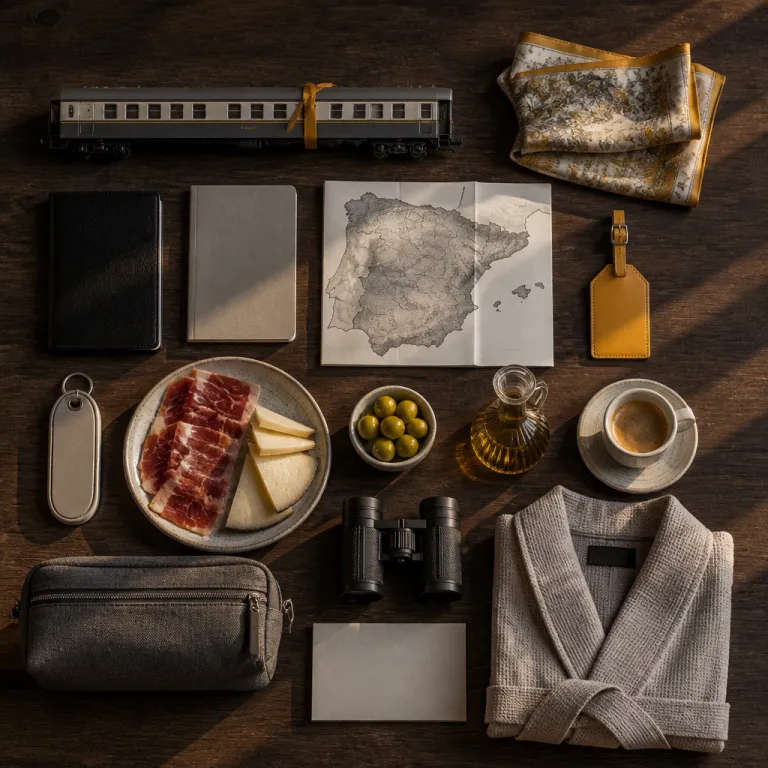
Al Andalus luxury train Spain: who this journey really suits
Al Andalus, Spain’s flagship luxury tourist train, is not a casual rail whim; it is a curated, slow travel experience built for travelers who value time, service, and narrative. The train moves through southern and central Spain at a measured pace, turning each day into a sequence of guided stories across cities that most business travelers only glimpse from a taxi window. If you usually land in Seville or Madrid for meetings and then rush home, this rail journey invites you to stretch that schedule into seven days of deliberate travel.
The operator behind Al Andalus, Renfe’s luxury tourist train division, positions the service squarely in the same conversation as the Venice Simplon-Orient-Express and Belmond Royal Scotsman, yet the pricing and inclusions feel more grounded in real Spanish life. You travel on historic broad-gauge carriages from the late 1920s, originally built in France for luxury services linked to the British royal family’s journeys between Calais and London, with polished wood, art deco lamps, and velvet seating that make every train journey feel cinematic rather than nostalgic pastiche. Unlike some luxury trains that chase spectacle, this experience leans into Spain’s own rhythm, with long lunches, late dinners, and unhurried visits to each heritage site on the itinerary.
For couples, the appeal of the Al Andalus train is obvious, because the cabins, the lounge car, and the dining spaces are designed around shared moments rather than private isolation. Retirees who have already ticked off the classic city breaks in Seville, Madrid, and Córdoba will appreciate how the tour structure removes logistics while still allowing independent exploration in each city. Solo travelers are welcomed too, with single occupancy options at higher rates, and the social layout of the lounge and restaurant cars makes it easy to board the train alone and end the journey with a circle of new rail companions.
From Seville to Madrid: how the seven day itinerary actually unfolds
The official itinerary for Al Andalus currently runs for seven days between Seville and Madrid, with the train traveling only by day and parking at stations overnight. You board in Seville, settle into your Gran Clase or Deluxe Suite cabin, and then step straight back off to explore the city’s Moorish heart, from the cathedral to the Real Alcázar, before returning to the lounge for a first evening drink. The next morning, breakfast on board sets the tone for the rail rhythm ahead, with white tablecloths, attentive service, and a slow view of Andalusian countryside sliding past your window.
Across the week, the train weaves through a sequence of cities and smaller towns that have been chosen less for postcard fame and more for cultural density. Córdoba, Jerez de la Frontera, Cádiz, Zafra, Mérida, and finally Madrid form the backbone of the tour, with guided excursions to multiple UNESCO World Heritage sites, including the Historic Centre of Córdoba and the Archaeological Ensemble of Mérida. The total distance covered is in the region of 1,200 km according to current route descriptions, which means the rail segments between each city are long enough to feel like an event but short enough that you still have generous time ashore for each visit.
What elevates this itinerary above a standard coach tour is how the train journeys and city stops are choreographed, because you will rarely feel rushed back to board. Lunch might be in a local restaurant in Cádiz, dinner might be on the train with regional wines, and late evening might be a quiet drink in the lounge while the carriages rest in a station siding. For travelers who care about where to sleep before or after the journey, this route also pairs naturally with vineyard hotels in regions such as La Rioja or Ribera del Duero, and you can plan those stays using a specialist guide to Spain’s vineyard hotels where terroir meets thread count on a dedicated Spanish travel resource (affiliate note: commercial content).
Cabins, classes, and whether the deluxe suite upgrade is worth it
Cabin choice is where Al Andalus starts to resemble a hotel booking decision rather than a simple rail ticket. The train offers two main accommodation categories, Gran Clase and Deluxe Suites, both with en suite showers, minibars, and large picture windows that frame the changing view of Spain’s interior. In Gran Clase, you sleep in twin beds that convert into daytime seating, while in each Deluxe Suite you gain a queen bed, extra floor space, and a more generous layout that feels closer to a compact hotel room.
For many travelers, the question is whether the price jump from Gran Clase to a Deluxe Suite is justified, especially when the train parks overnight and you are not lulled to sleep by movement. If you are used to premium hotel stays in Spain’s major cities, the Deluxe Suites will feel more aligned with your expectations, giving you room to unpack into a safe closet, spread out documents or a laptop on the small desk, and still move comfortably around the cabin. Gran Clase cabins are perfectly adequate for shorter rail holidays, but on a seven day itinerary, the extra square meters in a Deluxe Suite can make the difference between charming and cramped.
Bathrooms in both categories are compact yet thoughtfully designed, and the water pressure is better than on many older luxury trains, though not comparable to a five star city hotel. Storage is cleverly integrated, with each cabin type offering space for luggage under the beds and in overhead racks, so you can board with full size suitcases without feeling overwhelmed by clutter. If you are traveling as a couple and plan to spend real time in your cabin between excursions, the Deluxe Suites category is the one that will most closely mirror the comfort of a high end hotel room in inland Andalusia, such as those along the luxury corridor from Ronda to the Alpujarras described in specialist Spain accommodation guides (commercial content).
Life on board: dining, lounge culture, and how social it really feels
Once you have settled into your cabin, the real charm of Al Andalus emerges in the shared spaces, especially the dining cars and the lounge. Breakfast on board is a daily ritual, with a breakfast board of pastries, fresh fruit, and hot dishes served at your table while the train glides through olive groves or past whitewashed villages. Lunch and dinner alternate between on board meals and carefully chosen local restaurants, which means you experience both the train’s own culinary style and the regional kitchens of each city on the tour.
The lounge car is where the social fabric of the journey is woven, and where solo travelers in particular will feel the value of the experience. Soft armchairs, live or recorded music, and a bar service that runs beyond mealtimes create a relaxed setting where conversations move from rail trivia to hotel recommendations in Madrid or Seville without effort. Because the train travels only by day and parks overnight, evenings in the lounge tend to be unhurried, with guests drifting in after a walk around the station city or a late dinner ashore.
Compared with the Venice Simplon-Orient-Express, which leans heavily into formality and dress codes, Al Andalus feels more Mediterranean in spirit, though still unmistakably luxury. You will see jackets and dresses at dinner, but you will also see people in smart casual attire, especially after a hot day exploring a UNESCO World Heritage site under the Andalusian sun. The social dynamic is generally international yet intimate, with enough passengers to keep conversations varied but few enough that by the end of the week, you will recognize faces in every carriage and feel comfortable crossing from your cabin to the lounge in slippers.
Value, comparisons, and how to pair the train with Spain’s top stays
The headline figure for a week on Al Andalus is clear and non negotiable, with recent official information stating: “€6,600 per person in Gran Clase double room.” That fare typically includes accommodation, most meals, guided tours, and onboard entertainment, while drinks outside mealtimes, laundry, and gratuities sit firmly in the extra column. When you divide the cost across seven days, factor in the multiple UNESCO sites visited, and consider that you are effectively replacing a sequence of five star hotel nights plus private transfers, the value proposition becomes more nuanced than the sticker shock suggests.
Against the Venice Simplon-Orient-Express or Belmond Royal Scotsman, Al Andalus generally comes out as better value per day, especially once you account for the density of guided excursions in each city. The rail journey between Seville and Madrid, or in reverse from Madrid to Seville, is not just a scenic transfer but a structured experience with multilingual guides, local tour operators, and Renfe as a key rail partner. For business leisure travelers who might otherwise book separate luxury hotels in Seville, Madrid, and intermediate cities, this single fare consolidates accommodation, transport, and most activities into one predictable line on the expense sheet.
The smartest way to approach the train is to treat it as the spine of a broader Spanish itinerary, then add pre and post stays that match your style. Before boarding in Seville, you might spend two nights in a historic palace hotel, then after disembarking in Madrid, continue north to the Basque Country using a specialist guide to the Basque coast by design on a curated Spain travel site (commercial content) to choose coastal properties from Getaria to Mundaka. If you are a repeat visitor to Spain, you will appreciate how this rail journey threads together lesser known stops like Zafra or Mérida with headline cities, giving you a fresh angle on a country you thought you already knew.
Practicalities, safety, and how to decide if this rail journey is for you
From a practical standpoint, Al Andalus operates between April and October on most recent schedules, with departures in both directions on the Seville–Madrid and Madrid–Seville routes. The train travels only by day and parks overnight at stations, which means you sleep in a stationary carriage with reliable power, climate control, and the reassuring presence of staff on board throughout the night. For many travelers, this arrangement feels safer and more restful than sleeping on moving trains, and it also allows for evening strolls in the station city before returning to your cabin.
Each cabin includes a safe closet for valuables, and the overall security protocol is comparable to a high end hotel, with staff monitoring access to the train at every stop. The operator recommends booking early due to limited availability, packing comfortable walking shoes for the guided excursions, and preparing for varying weather conditions across Andalusia, Extremadura, and central Spain. Because the train journeys include both coastal air in Cádiz and inland heat in places like Campo de Criptana, where you may visit the windmills associated with Don Quixote, layering is essential.
Ultimately, this is a journey for travelers who care as much about the spaces between cities as the cities themselves, and who are willing to trade a little flexibility for a lot of curation. If your ideal Spanish trip is a sequence of independent hotel stays with maximum spontaneity, you may find the fixed schedule of the train too structured, even with its generous free time in each heritage site. But if you want a week where every transfer, every breakfast on board, and every guided visit is handled by a specialist équipe, while you simply board, look out at the view, and let Spain’s layers unfold, then the €6,600 fare starts to feel like a considered investment rather than an indulgence.
FAQ
What is included in the €6,600 fare on Al Andalus?
The published fare of around €6,600 per person in a Gran Clase double room generally includes accommodation on the train, scheduled meals on board and in selected local restaurants, guided tours in each city, and onboard entertainment. Drinks outside mealtimes, laundry, and gratuities are not included and should be budgeted separately. Single occupancy is available at higher rates for travelers who prefer a private cabin, and exact inclusions can vary slightly by season, so always confirm with the operator.
How many UNESCO heritage sites does the itinerary cover?
The standard seven day itinerary of Al Andalus includes guided visits to several UNESCO World Heritage sites. These typically include landmarks such as the Historic Centre of Córdoba and the Archaeological Ensemble of Mérida, among others along the route. Exact sites and access can vary slightly by departure and operational conditions, so it is wise to confirm the current list when booking.
Is Al Andalus suitable for solo travelers?
Solo travelers are well catered for, with single occupancy options and a social layout that encourages interaction in the lounge and dining cars. The guided tours create natural opportunities to meet fellow passengers, while the privacy of your cabin remains intact. For executives extending a business trip, it offers a structured yet sociable way to explore Spain without managing logistics alone.
How does Al Andalus compare with the Venice Simplon Orient Express?
Both trains offer historic carriages, fine dining, and attentive service, but their styles differ. The Venice Simplon-Orient-Express emphasizes formality and shorter, point to point journeys, while Al Andalus focuses on a week long itinerary with extensive excursions in Spanish cities. In value terms, Al Andalus often includes more guided activities and meals within the base fare, though precise comparisons depend on the specific departure and cabin category.
When is the best time of year to travel on Al Andalus?
Al Andalus typically operates between spring and autumn, avoiding the coldest winter months. Spring and early autumn tend to offer the most comfortable temperatures for walking tours in cities like Seville, Córdoba, and Mérida. High summer can be very hot inland, so travelers sensitive to heat may prefer shoulder season departures, and checking recent climate patterns before booking is sensible.