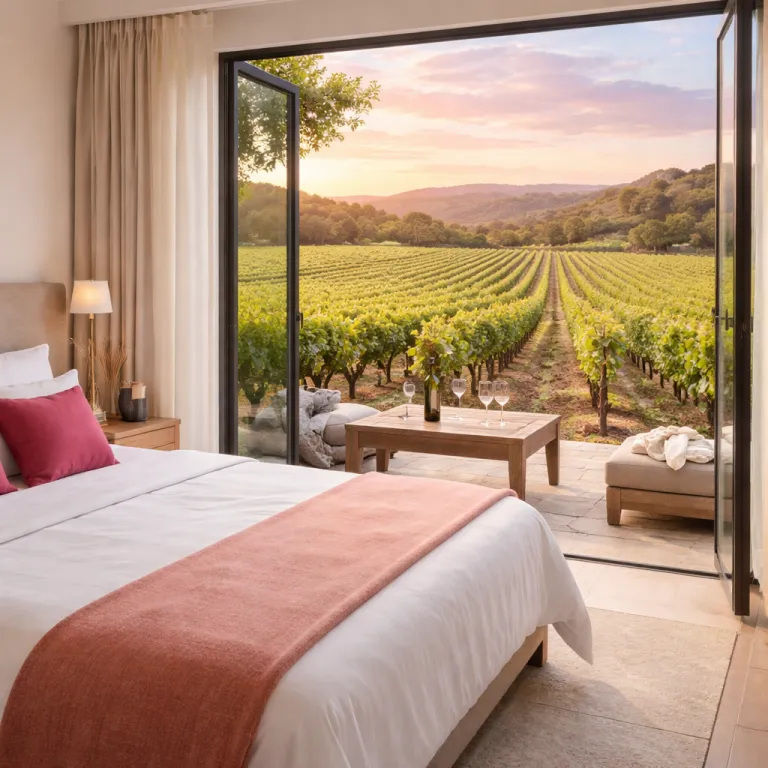
What makes vineyard hotels in Spain truly luxurious
Vineyard hotels in Spain luxury travel are about immersion rather than excess. A true winery hotel blurs the line between cellar and suite, so the same philosophy guiding the wine shapes the architecture, the hotel spa rituals, and even the breakfast food. When you choose these Spanish winery hotels over standard hotels in Spain, you are booking into a living landscape rather than just a polished room.
In the best vineyard stays, the terroir dictates the day’s rhythm. You wake to fog lifting over vines, walk from your hotel to the winery for cellar tours, then return to a restaurant where the chef builds food and wine pairings around that exact parcel of tempranillo or garnacha. This is where vineyard hotels in Spain luxury stays excel, because every detail from linen to lighting is calibrated to frame the region outside your window.
Luxury here is measured in silence, in the depth of the wine list, and in how easily you can visit vineyards on foot. A wine hotel that understands enotourism will offer sommelier led wine tasting sessions, winemaker hosted walks through the plots, and access to an organic farm that supplies the kitchen. When you read a property description, look for words like farm to table, cellar tours, and hotel spa rather than generic mentions of a pool or gym.
Rioja and beyond: where vineyard stays meet architecture
La Rioja is still the reference point for vineyard hotels in Spain luxury breaks. Here the landscape rolls in soft waves of vines, punctuated by medieval villages and the occasional sculptural winery hotel that has become a destination in its own right. The most famous example is Hotel Marqués de Riscal, where Frank Gehry’s titanium ribbons shelter a wine hotel that feels like a contemporary cathedral to Spanish wine.
Stays in this region are about contrast, because you can pair nights in a design forward hotel with evenings in a traditional hacienda style property. At Finca Los Arandinos, often shortened to Los Arandinos, rooms sit above the working winery, so you can literally sleep over the barrels while still enjoying excellent hotel spa facilities and a restaurant focused on local food and wine from the surrounding Rioja vineyards. This is classic vineyard hotels in Spain luxury territory, where the location lets you visit vineyards in the morning and be back in your suite before lunch.
Modern properties such as Hotel Bodegas FyA in Rioja Alavesa show how winery hotels in Spain are evolving. Here the architecture is crisp and minimal, the cellar tours are highly curated, and the focus is on connecting guests to the wider region through guided wine tourism routes. For a broader view of how Spanish luxury properties are changing beyond wine country, it is worth reading about the new hotel openings reshaping Spain’s luxury landscape on this in depth look at upcoming high end hotels.
Ribera del Duero and the Duero valley: stone, river, and cellar light
Shift west from Rioja and the mood changes as you enter Ribera del Duero. Here the plateau sits higher, the light is harsher, and vineyard hotels in Spain luxury stays feel more monastic, with thick stone walls and long views over the del Duero river corridor. This is where properties such as Abadía Retuerta and Arzuaga have turned former estates into winery hotels that balance serious cellars with refined hotel spa experiences.
One of the most atmospheric addresses is Hacienda Zorita, often simply called Zorita, set near Salamanca on the banks of the Tormes. The hacienda dates back centuries, and today it functions as a winery hotel with its own zorita wine label, a working organic farm, and a restaurant that treats food and wine as a single narrative rather than two separate elements. Couples can book cellar tours followed by private wine tasting sessions, then walk back through the cloister to a room where the only sound is the river below.
Hacienda Zorita also illustrates how vineyard hotels in Spain luxury properties can be family friendly without losing their sense of calm. The estate’s organic farm gives younger guests space to roam, while adults focus on the excellent Ribera del Duero reds and long dinners built around local food. If you are pairing a Duero valley stay with an Andalusian escape, consider weaving in Granada’s insider luxury circuit, including private flamenco and after hours palace access, as outlined in this guide to Granada’s most discreet experiences.
From Navarra to Priorat and Penedès: intimate terroirs, serious wines
North of Rioja, Navarra offers a quieter take on vineyard hotels in Spain luxury travel. Here the landscape opens towards the Pyrenees, and properties such as Pago de Cirsus operate as both winery and hotel, with rooms overlooking a patchwork of vines and wheat fields. This wine hotel is known for its strong sense of place, where the restaurant menu changes with the farm produce and the cellar tours focus on explaining how the region’s climate shapes each vintage.
Further east, Priorat and neighbouring Montsant feel almost secretive, with steep slate terraces and tiny villages clinging to hillsides. Many winery hotels here are converted farmhouses or masías, where you can read on a shaded terrace between visits to small family run cellars that still work by hand, and where food and wine are inseparable from the rugged terrain. Penedès, closer to Barcelona, offers a different rhythm, with larger estates, sparkling wine houses, and winery hotel options that make it easy to combine a coastal city break with a few nights in the vines.
Across these regions, the best vineyard hotels in Spain luxury addresses share a few traits. They keep guest numbers low, they prioritise direct access to the vineyards, and they treat wine tourism as more than a marketing slogan by offering serious wine tasting flights and introductions to local producers. For a sense of how these rural retreats fit into the broader high end scene, you can also read about evolving Spanish luxury hotel portfolios and see how investors are increasingly looking beyond the coast.
How to plan a vineyard hotel itinerary across Spain
Planning a route through vineyard hotels in Spain luxury regions starts with harvest calendars. Rioja typically harvests from early autumn, often between late September and mid October, Ribera del Duero follows with slightly later picking into late October, while Penedès and Navarra can start earlier depending on altitude and grape variety. If you time it well, you can visit vineyards in several regions during the same trip and watch the progression of the vendimia as you move across the country.
Think of your itinerary as a sequence of contrasting stays rather than a string of similar hotels. Combine an architectural icon such as Marqués de Riscal with a more rustic hacienda in Ribera del Duero, then add a night or two in a family friendly wine hotel where an organic farm and relaxed restaurant service take priority over formality. In every location, look for packages that include cellar tours, guided wine tasting, and at least one food and wine pairing dinner, because these experiences turn a pleasant stay into a genuinely educational one.
When you book, remember that “What amenities do vineyard hotels offer?” and “Are vineyard hotels suitable for families?” are not abstract questions but practical filters. The official guidance is clear : “Amenities vary but often include wine tastings, vineyard tours, and gourmet dining.” and “Many are family-friendly; check specific hotel policies.” Use hotel websites and specialist travel agencies to read the fine print, confirm whether each hotel spa is focused on vinotherapy or classic treatments, and verify how close the property sits to the working winery. This level of detail ensures your vineyard hotels in Spain luxury journey feels coherent from the first glass to the last checkout.
FAQ
When is the best time to stay at vineyard hotels in Spain ?
The most atmospheric period for vineyard hotels in Spain luxury stays is during harvest, when grapes are being picked and fermentations start in the cellars. In Rioja and Navarra this usually falls in early to mid autumn, roughly from late September to the second half of October, while Ribera del Duero and other higher altitude regions can run slightly later into early November. Outside harvest, spring offers green landscapes and quieter hotels, with full access to winery tours and wine tasting experiences.
How do I book a stay at a Spanish winery hotel ?
The most reliable way to book vineyard hotels in Spain luxury properties is directly through each hotel’s website, where you will often find packages that include cellar tours and food and wine pairings. Specialist travel agencies focused on wine tourism in Spain can also assemble multi region itineraries that link Rioja, Ribera del Duero, and other appellations. For sought after addresses such as Hacienda Zorita or Marqués de Riscal, it is wise to reserve several months in advance, typically 8 to 12 weeks before arrival for peak weekends and harvest.
Are vineyard hotels in Spain suitable for families ?
Many winery hotels in Spain are genuinely family friendly, offering spacious rooms, gardens, and sometimes an organic farm or animals on site. Properties such as Hacienda Zorita balance serious wine programmes for adults with relaxed outdoor spaces where children can play safely. Always read the hotel policy carefully, because some smaller wine hotels prioritise couples seeking quiet and may limit younger guests during peak seasons.
What should I look for when choosing between different vineyard hotels ?
Start by deciding how important direct access to the winery is, because some hotels in Spain sit within the vineyards while others partner with nearby bodegas. Then compare the depth of each property’s wine tourism offer, including the quality of wine tasting sessions, the availability of guided cellar tours, and whether the restaurant builds menus around local food and wine. Finally, consider the style of the hotel spa, the overall design, and whether the location works with your broader route across Spain’s wine regions.
Can I visit vineyards without staying overnight at a winery hotel ?
Most Spanish wineries welcome day visitors for tastings and tours, so you can visit vineyards even if you are based in a city hotel. However, staying in vineyard hotels in Spain luxury properties allows you to experience the full daily cycle of the estate, from dawn over the vines to late night conversations in the bar. A mixed itinerary, with some nights in winery hotels and others in urban or coastal locations, often gives the best balance for a longer trip.