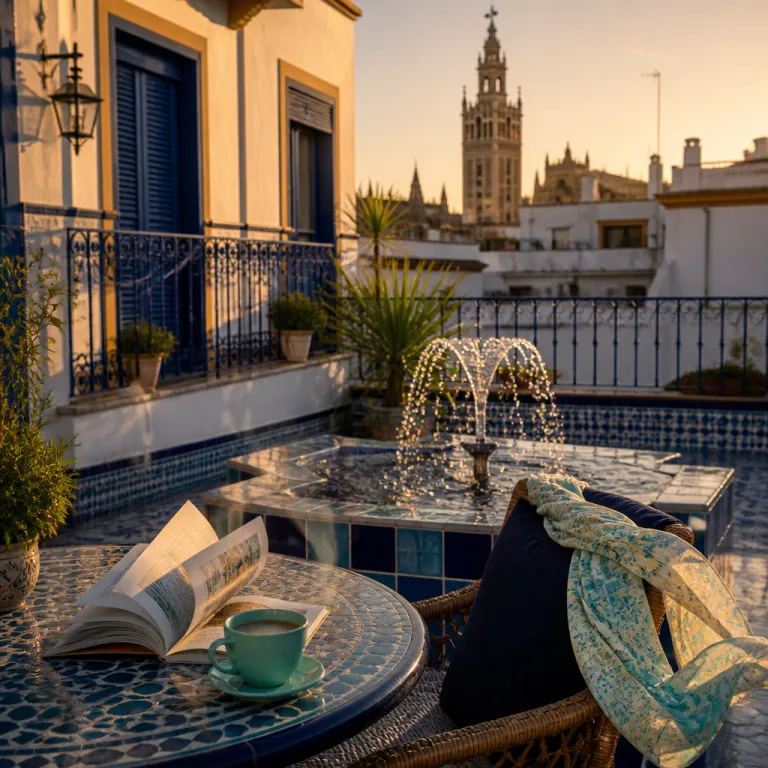
1. How to choose the best area to stay in Seville Spain
Choosing the best area to stay in Seville Spain starts with your travel style. The historic city center concentrates many of the main attractions, but each neighborhood offers a distinct rhythm and level of luxury. Think about whether you prefer atmospheric lanes, riverside views, or quieter residential barrios for your stay.
For first time visitors, the official tourism guidance is clear: “What is the best area to stay in Seville for first-time visitors? Santa Cruz is ideal for first-time visitors due to its central location and proximity to major attractions.” This makes the Santa Cruz neighborhood a natural starting point when you compare places to stay, especially if you want to walk almost everywhere. From there, you can refine your booking strategy by balancing access to the cathedral, the Real Alcázar, and refined tapas bars with your preferred hotel style.
Luxury travelers often focus on the best hotels that combine heritage architecture with contemporary comfort in the heart of Sevilla. Around the cathedral and the Real Alcázar, the legendary Hotel Alfonso XIII anchors the city center as a reference point for premium stays. When you evaluate each area stay option, consider whether you want to be within 500 metres of these landmarks or slightly removed in quieter streets.
Another key decision is whether to stay on the Seville side of the river or cross into Triana. Remaining in the central barrios such as Santa Cruz, El Arenal, and Alfalfa keeps you close to the best places for sightseeing and fine dining. Crossing the Puente de Triana brings you into a neighborhood with a more local character, where evenings revolve around family run tapas bars and riverside walks.
For many guests, the most convenient district is one that allows easy movement between neighborhoods in Seville without constant taxis. The compact layout of the casco antiguo, or old town, means that a hotel in Santa Cruz, Arenal, or Alfalfa places you within a 15 minute walk of most main attractions. This density of experiences makes the decision about where to stay less stressful, because even a short stroll reveals another joya del casco histórico.
When comparing hotels, look beyond star ratings and focus on micro locations within each barrio. A quiet side street in Arenal can feel very different from a lively square in Alfalfa, even though both are in the city center. Reading a guide best suited to your interests helps you match each barrio to your expectations for noise levels, nightlife, and morning ambience.
Sample walking times from the cathedral (Seville Cathedral / Giralda)
- Santa Cruz / Alfalfa: 0–8 minutes on foot
- El Arenal: 5–10 minutes on foot
- Triana (Calle Betis area): 15–20 minutes via Puente de Triana
- Los Remedios (near Plaza de Cuba): 18–22 minutes
- Macarena (Basílica de la Macarena): 20–25 minutes
- Alameda de Hércules: 15–20 minutes
2. Santa Cruz and Alfalfa – atmospheric lanes near Seville’s main attractions
Santa Cruz remains the best area to stay in Seville Spain if you want to wake up steps from the cathedral. This former Jewish quarter is a maze of whitewashed alleys, orange trees, and intimate plazas that frame many of the city’s postcard views. Staying here means that the Giralda tower, the Real Alcázar, and elegant patios become part of your daily routine.
Within the Santa Cruz neighborhood, you will find a mix of grand historic properties and discreet mid range hotels. Many travelers choose this barrio because it offers both romance and practicality, with cafés and tapas bars tucked into almost every corner. When you book, check whether your room faces a busy square or an interior courtyard, as this can significantly affect the serenity of your stay.
Alfalfa, just northwest of Santa Cruz, offers a slightly more bohemian take on central Sevilla. Here, the streets widen a little, and the atmosphere shifts from purely monumental to a blend of local life and visitor friendly dining. It is an excellent area stay choice if you want to be close to the cathedral but prefer evenings in lively bars rather than quiet cloisters.
Both Santa Cruz and Alfalfa are ideal places to stay if you plan to explore Andalusia by train or car. The walk from these neighborhoods to the main transport hubs is manageable, and many hotels can arrange private transfers for a seamless arrival. Seville’s principal rail station, Santa Justa, sits roughly 25–30 minutes on foot or 10–15 minutes by taxi from most central hotels, and the San Bernardo area connects with tram and metro lines for onward travel.
Luxury focused travelers often combine a stay in Santa Cruz with time in other refined Spanish destinations. For example, after a few nights near the cathedral, you might continue your journey with elegant tourist apartments near Santiago de Compostela to experience a different side of Spain’s heritage cities. This multi city approach allows you to compare how each historic center balances preservation, gastronomy, and contemporary comfort.
When evaluating best hotels in Santa Cruz and Alfalfa, pay attention to how each property manages access. Some streets are pedestrian only, which preserves the charm of the casco antiguo but can complicate luggage transfers. A well structured booking guide will usually indicate whether your chosen hotel offers porter service from nearby drop off points, and guests with limited mobility should confirm step free access or lifts in advance.
Because these neighborhoods are compact, they are also ideal for travelers who value walking distances measured in minutes rather than kilometres. From most hotels in Santa Cruz, you can reach Alfalfa, Arenal, and even parts of Macarena within a 20 minute stroll. This interconnectedness reinforces why many experts consider the combined Santa Cruz and Alfalfa area the best places to stay for a first immersion in the city.
Example hotels in and around Santa Cruz / Alfalfa
- Hotel Alfonso XIII (luxury, €€€€): next to Puerta de Jerez tram stop, about 5 minutes’ walk to the cathedral; grand historic palace, quiet rooms facing interior courtyards; taxis can drop you at the main entrance.
- Hotel Casa 1800 Sevilla (upper mid range, €€€): 3 minutes’ walk from the cathedral; set in a restored mansion with rooftop views; located on a narrow pedestrian street, so expect a short walk with luggage from the nearest taxi point.
- Hotel Rey Alfonso X (mid to upper mid range, €€–€€€): on the edge of Santa Cruz, around 7 minutes’ walk to the cathedral; slightly broader street with easier vehicle access and generally calmer noise levels at night.
3. El Arenal – refined riverside elegance and cultural landmarks
El Arenal, usually shortened to Arenal, stretches between the cathedral and the Guadalquivir River, forming one of the most sophisticated neighborhoods Seville offers. This area is ideal if you want a balance between monumental heritage and easy access to the riverfront promenades. Many luxury travelers consider Arenal the best area to stay in Seville Spain when they prioritise culture and calm over nightlife.
Staying in Arenal places you close to the Plaza de Toros de la Maestranza, the Teatro de la Maestranza, and several important churches. The streets here feel slightly broader than in Santa Cruz, and the urban fabric mixes stately townhouses with discreet hotels. This makes the barrio particularly attractive for guests who appreciate architectural harmony and a sense of old world grandeur.
From a practical perspective, Arenal is one of the best places to stay if you plan to move frequently between the city center and the river. You can walk to the cathedral in under ten minutes, yet still enjoy sunset views along the Paseo de Colón. This dual orientation makes the area stay decision easier for couples or groups with varied interests.
Many of the best hotels in Arenal occupy former palaces or merchant houses that once served the port of Sevilla. While some properties lean towards classic décor, others embrace a more contemporary aesthetic that still respects the original architecture. When you review booking options, look for details such as rooftop terraces, plunge pools, and river facing suites.
Because Arenal sits opposite Triana, it is also a strategic base for exploring both sides of the Guadalquivir. You can cross the Puente de Triana in minutes, enjoy an evening of flamenco and tapas bars, then return to the quieter streets of Arenal for the night. This pattern suits travelers who want authentic local experiences without sacrificing the comfort of a central, elegant hotel.
Discerning guests often combine an Arenal stay with other design led coastal escapes in Spain. If you are planning a longer itinerary, consider pairing Seville with a curated route along the Basque shoreline, such as the options described in this guide to where to stay from Getaria to Mundaka. Comparing these destinations highlights how different Spanish regions interpret luxury, from riverfront palacios in Sevilla to ocean facing retreats in the north.
Within Arenal, pay attention to how each property positions itself in relation to the Hotel Alfonso XIII and other icons of the city center. While not every guest will stay at Alfonso XIII, its location near the Puerta de Jerez acts as a reference point for mapping the wider historic core. Using such landmarks when you plan your stay in Seville helps you visualise walking routes and time your visits to the main attractions.
Example hotels in El Arenal
- Gran Meliá Colón (luxury, €€€€): about 10–12 minutes’ walk to the cathedral and 8–10 minutes to the river; design led interiors, good soundproofing; taxis can stop directly outside on a main street.
- Hotel Las Casas de El Arenal (upper mid range, €€€): 7–9 minutes’ walk to the cathedral; set in linked historic houses with patios; located on a narrow lane, so luggage may require a short walk from the closest drop off point.
4. Triana and Los Remedios – authentic river life beyond the historic walls
Across the Guadalquivir River, Triana offers a different perspective on the best area to stay in Seville Spain. This barrio has long been associated with ceramics, flamenco, and a strong local identity that contrasts with the more monumental city center. Choosing to stay here means prioritising atmosphere and authenticity over immediate proximity to the cathedral.
Triana’s main streets, such as Calle Betis and Calle San Jacinto, are lined with tapas bars, traditional taverns, and family run restaurants. Evenings unfold along the riverfront, where locals and visitors share tables overlooking the illuminated skyline of Sevilla. For many travelers, this nightly ritual becomes the highlight of their stay, especially when combined with a comfortable hotel on a quieter side street.
While Triana may not host as many grand hotels as Santa Cruz or Arenal, it still offers a solid range of mid range and premium properties. These hotels often emphasise spacious rooms and relaxed common areas rather than ornate historical details. When you evaluate booking options, consider whether you prefer a river view or a location deeper within the barrio for a more residential feel.
South of Triana, Los Remedios extends the riverside experience with broader avenues and a more modern urban layout. This neighborhood appeals to travelers who appreciate wide pavements, contemporary shopping streets, and a calmer pace. It can be an excellent area stay choice for families or repeat visitors who already know the main attractions of the historic center.
From both Triana and Los Remedios, walking into the city center usually takes between 15 and 25 minutes, depending on your exact hotel location. This distance keeps you connected to the cathedral and Santa Cruz while allowing you to retreat to quieter quarters at night. Many guests find this balance ideal, especially during peak seasons when the narrow lanes of the casco antiguo feel particularly busy.
These riverside barrios also work well in a broader Spanish itinerary that values regional contrasts. After a few nights enjoying Triana’s ceramics workshops and flamenco venues, you might continue to coastal or mountain regions for a change of scenery. In this sense, Triana and Los Remedios function as both neighborhoods in Seville and gateways to the wider Andalusian landscape.
When deciding whether Triana or Los Remedios represent the best area for your stay in Seville, think about your daily rhythm. If you enjoy late dinners, live music, and spontaneous bar hopping, Triana’s core streets will suit you. If you prefer quieter evenings and easy access to green spaces, Los Remedios may feel like the more refined choice among these western bank barrios.
Example hotels in Triana / Los Remedios
- Zenit Sevilla (mid to upper mid range, €€): close to Calle Pagés del Corro, around 15–18 minutes’ walk to the cathedral via Puente de San Telmo; modern rooms, rooftop pool; taxis can reach the door and the area is generally calm at night.
- Ribera de Triana Hotel (mid range, €€): on the riverfront near Puente de la Barqueta, about 20–25 minutes’ walk to the cathedral; many rooms with river views; located on a main road, so expect some traffic noise on lower floors.
5. Macarena and Alameda – creative energy north of the city center
North of the cathedral, the Macarena and Alameda districts offer a more alternative take on the best area to stay in Seville Spain. These neighborhoods have evolved from largely residential quarters into some of the city’s most creative and dynamic zones. Travelers who value nightlife, contemporary culture, and a slightly edgier ambience often gravitate here.
The Macarena barrio, anchored by the Basílica de la Macarena and the surviving sections of the city walls, retains a strong sense of local identity. Streets here feel less polished than in Santa Cruz, but they reward exploration with traditional markets, family run bars, and small plazas. Staying in Macarena suits guests who enjoy walking slightly longer distances in exchange for a more everyday slice of Sevilla.
Just to the west, the Alameda de Hércules has become one of the most vibrant neighborhoods Seville offers after dark. The long rectangular square fills with terraces, music venues, and eclectic dining options that range from classic tapas to contemporary fusion. For many younger travelers, this area stay choice ranks among the best places to experience the city’s modern social life.
Accommodation in Macarena and Alameda spans from simple mid range hotels to more design focused properties. While you will find fewer grand historic palaces than in the city center, some addresses reinterpret traditional patios and azulejos in a fresh way. When you review booking options, look for hotels that emphasise soundproofing, as nightlife can continue late into the night around the Alameda.
These northern barrios also work well for longer stays, especially if you plan to combine work and leisure. The slightly lower density of tourists compared with Santa Cruz or Arenal can make daily routines feel more relaxed. At the same time, you remain within a 20 to 25 minute walk of the cathedral and other main attractions, which preserves the practicality of a central base.
Travelers who appreciate design often compare the creative energy of Alameda with other Spanish cities known for their aesthetics. If you enjoy this side of urban Spain, you may also be drawn to curated stays such as the elegant Málaga hotels with Moorish interiors that reinterpret Andalusian heritage. Considering these parallels helps you understand how Macarena and Alameda fit into a wider map of Spanish urban creativity.
When deciding whether Macarena or Alameda represent the best area for your stay in Seville, weigh your tolerance for nighttime noise against your desire for lively streets. Guests who prioritise quiet may prefer hotels on the fringes of these barrios, closer to the river or the inner ring of the casco antiguo. Those who thrive on late night energy will likely find the Alameda itself to be the most compelling address.
6. Matching Seville neighborhoods to your luxury hotel style
Once you understand the character of each barrio, the next step is to align them with your preferred hotel style. In the context of the best area to stay in Seville Spain, this means looking beyond simple star ratings to consider architecture, service philosophy, and room design. A thoughtful match between neighborhood and property can transform a good stay into a memorable one.
In Santa Cruz and Arenal, many of the best hotels occupy historic palacios with interior courtyards, tiled galleries, and rooftop terraces. These properties often sit within the densest part of the historic center, where every corner reveals another joya del casco antiguo. Guests who value heritage, proximity to the cathedral, and refined service will usually find their ideal area stay here.
Triana, Los Remedios, Macarena, and Alameda tend to offer a different kind of luxury, one that emphasises space, light, and a more relaxed atmosphere. Rooms may be larger, common areas more informal, and the overall rhythm less tied to the main attractions. This can be particularly appealing for longer trips, where a sense of everyday comfort matters as much as immediate access to monuments.
When comparing mid range and high end options, pay attention to how each property describes its surroundings. A hotel that highlights nearby tapas bars, local markets, and artisan workshops is likely embedded in a living barrio rather than a purely touristic zone. This can be a strong indicator that your stay in Seville will feel connected to the daily life of the city.
Some travelers like to split their time between two neighborhoods in Seville to experience different facets of the city. For example, you might spend two nights near the Hotel Alfonso XIII in the city center, then move to Triana for a more local perspective. This strategy allows you to test multiple places to stay without committing your entire trip to a single barrio.
Whatever your final choice, use a structured booking guide best suited to your priorities. Filter hotels by walking distance to the cathedral, access to the river, or proximity to specific barrios such as Santa Cruz, Arenal, or Macarena. By treating the city as a collection of interlinked neighborhoods rather than a single block of streets, you will naturally gravitate towards the best area for your own definition of luxury.
Key figures about Seville travel and neighborhoods
- In the years immediately before the pandemic, Seville received around 2.5–3 million visitors annually, according to data from the Seville Tourism Board and Spain’s national tourism statistics (Turespaña), which underscores the importance of choosing your neighborhood carefully to avoid crowds.
- The historic city center, including Santa Cruz, Arenal, and Alfalfa, covers only a few square kilometres, meaning that most main attractions sit within a 15 to 20 minute walk of many hotels.
- Riverside neighborhoods such as Triana and Los Remedios typically require a 15 to 25 minute walk to reach the cathedral area, a distance that many travelers find acceptable for a quieter stay.
- Interest in more authentic local experiences has grown significantly in recent years, contributing to increased demand for accommodation in barrios like Triana, Macarena, and Alameda.
- Seville’s tourism authorities note that informed neighborhood choices can significantly enhance visitor satisfaction, as guests who match their barrio to their travel style report higher overall trip enjoyment.
FAQ about the best area to stay in Seville Spain
What is the best area to stay in Seville for first time visitors ?
For first time visitors, Santa Cruz is generally considered the best area to stay in Seville Spain. Its central location places you within a short walk of the cathedral, the Real Alcázar, and many key sights. The dense network of lanes also offers a wide choice of hotels, restaurants, and tapas bars.
Which neighborhood in Seville offers the best nightlife ?
Alameda, just north of the historic center, is widely regarded as the neighborhood with the most vibrant nightlife. The Alameda de Hércules square fills with terraces, music venues, and late opening bars that attract both locals and visitors. This makes it an excellent area stay choice for travelers who prioritise evening entertainment.
Where can I experience authentic local culture in Seville ?
Triana, across the Guadalquivir River from the city center, is often highlighted as the barrio that best represents authentic local culture. Its ceramics workshops, flamenco venues, and family run tapas bars create a strong sense of place. Staying here allows you to enjoy a more residential atmosphere while remaining close to the main attractions.
Is it better to stay near the cathedral or by the river ?
Staying near the cathedral in Santa Cruz or Arenal offers maximum convenience for sightseeing, as most monuments are within a short walk. Choosing a hotel by the river in Triana or Los Remedios provides calmer evenings and scenic views, but requires longer walks to the historic core. The best area for you depends on whether you prioritise immediate access to landmarks or a quieter, more local ambience.
Are Macarena and Alameda suitable for a first stay in Seville ?
Macarena and Alameda can work very well for a first stay, especially if you value nightlife and contemporary culture. They sit slightly farther from the cathedral than Santa Cruz or Arenal, but still within walking distance for most guests. These neighborhoods are particularly appealing to travelers who prefer a creative, less polished environment over purely monumental surroundings.
Trustful expert sources : Seville Tourism Board ; Junta de Andalucía official tourism portal ; Spain.info (Turespaña)