From sustainable luxury slogans to regenerative reality in Mallorca
Mallorca has become a test case for how sustainable luxury can evolve into something more demanding and more honest. The island’s government now frames sustainable luxury Mallorca 2026 as a regenerative pact between visitors, hotels and local communities, not a marketing line. For travelers planning a high end stay in Spain, this shift changes how you choose a hotel, how you move around the island and how you think about your own impact.
Regenerative travel goes beyond sustainability checklists by asking a harder question ; does your presence actively improve the place you are visiting. In Mallorca, regenerative tourism means hotels invest in restoring agricultural land, reducing energy use with solar panels and supporting local homes and businesses instead of simply offsetting emissions. Policymakers in the Balearic Islands have backed this with a “Quality Over Quantity” mandate that prioritizes fewer guests, higher value stays and lower pressure on fragile Mediterranean ecosystems.
For you as a guest, sustainable luxury in Mallorca now feels less like a guilt tax and more like a curated framework for responsible tourism. When you book hotels in Palma or along the coast, you will increasingly see references to regenerative projects, from permaculture gardens to smart systems that manage water and energy in real time. The island’s message is clear ; if you want the best view, the highest comfort and the most refined luxury, you are expected to contribute to the long term health of this Balearic island.
Fincas, farm projects and how luxury stays restore the land
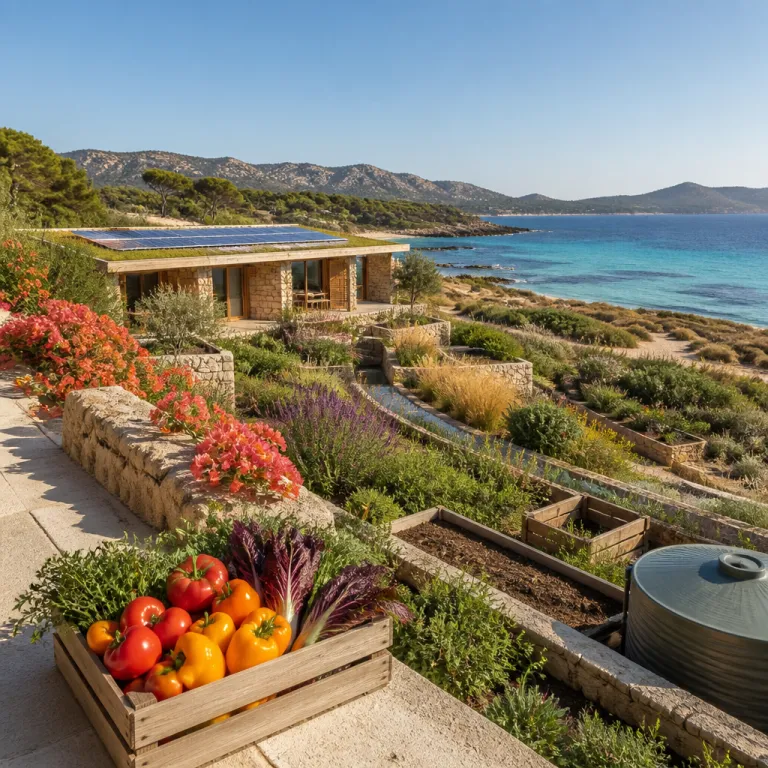
The most compelling expression of sustainable luxury Mallorca 2026 is happening far from the crowded seafront promenades. Across the island, former agricultural estates are being converted into high end fincas where regenerative farming and Mediterranean design sit at the heart of the guest experience. These properties treat sustainability as infrastructure rather than décor, using solar panels, rainwater capture and low impact landscaping to regenerate soil and reduce energy demand.
Projects such as SOLU Farm, Can Gaia and the PermaMed RRI research initiative show how tourism can underwrite ecological repair instead of land speculation. Guests might join a farm to table dinner, walk through permaculture orchards or support local producers whose homes and livelihoods depend on healthier soils and more resilient water systems. This is regenerative tourism in practice ; your stay funds agroecology, land stewardship and community training rather than another layer of imported marble.
For travelers comparing premium eco hotels in Spain, Mallorca now offers some of the most advanced models of sustainable tourism in the Mediterranean. Many hotels on the island integrate smart systems that monitor energy use, while others partner with NGOs such as Save the Med to protect marine habitats around the Balearic Islands. If you want a luxury hotel with a sea view and genuine sustainability credentials, resources like the guide to premium eco hotels in Spain on myspainstay.com help you check which properties are truly aligned with responsible tourism values.
Regulation with teeth ; how Mallorca rewrote the rules of tourism
Mallorca’s pivot from slogans to regenerative action did not happen by accident. Years of over tourism, a tourist to resident ratio that strained local comfort and a measurable loss of beach area pushed the Balearic government to act decisively. Decree Law 4/2025, cruise ship limits and strict controls on new hotel real estate now anchor sustainable luxury Mallorca 2026 in law, not in voluntary pledges.
The Cap Formentor access rules, which close the road to most private cars during peak daylight hours, are a clear signal that public transport and low impact mobility are now non negotiable in sensitive areas. Travelers heading to Port Pollença or the Serra de Tramuntana must plan around these restrictions, using buses, shuttles or guided excursions instead of rental cars. This is regenerative tourism translated into daily logistics ; the island protects its cliffs and pine forests while still offering extraordinary Mediterranean views to those willing to adapt.
Policy is only one side of the story, though, and Mallorca has paired regulation with community led initiatives such as Regenera Deià and the TANA Mallorca BioHub. These projects treat the island as a living laboratory, where sustainable tourism, permaculture and collaborative governance are tested in real villages, not in theory. If you want to understand how sustainable luxury can reshape an entire destination, the in depth guide to sustainable hotels in the Balearic Islands on myspainstay.com is an essential check before you book.
Economics of fewer guests, richer stays and smarter hotels
Regenerative travel in Mallorca is also an economic strategy designed to protect both residents and high end travelers. The “Quality Over Quantity” approach behind sustainable luxury Mallorca 2026 aims to reduce visitor numbers while increasing average spend per guest, easing pressure on infrastructure and on local homes. For you, that means more space by the pool, quieter restaurants and a level of service that feels closer to a private residence than a mass market resort.
Hotels across Mallorca and the wider Illes Balears are investing heavily in energy efficiency, circular economy initiatives and smart systems that extend the life of materials. One recent program has already helped around one hundred hotels reuse large volumes of furniture and equipment, cutting waste while refreshing interiors in Palma, Port Pollença and smaller island towns. This kind of behind the scenes sustainability rarely makes it into glossy brochures, yet it is what allows properties to maintain luxury standards without passing every cost onto guests.
For travelers used to comparing nightly rates across Spain, the new model in the Balearic Islands rewards longer, more thoughtful stays. Long term visits spread spending across local businesses, from family owned restaurants to design studios shaping contemporary Mediterranean design. Before you book, it is worth reading about the new tourist taxes for luxury travelers on myspainstay.com, so you can check how contributions are channeled into infrastructure modernization and environmental restoration across Balears Spain.
Palma, Punta Negra and how to book regenerative luxury stays
Palma is still the main gateway for sustainable luxury Mallorca 2026, but the city now encourages visitors to behave less like tourists and more like temporary residents. The “Mallorca Pledge” asks you to support local businesses, conserve water and energy in your hotel and treat the island’s neighborhoods with the same care you would show at home. In practice, that might mean choosing public transport over taxis, dining at restaurants run by local chefs and seeking out hotels that publish clear sustainability data.
On the coast near Palma Mallorca, the transformation of the former H10 Punta Negra into Mandarin Oriental Punta Negra illustrates how global luxury brands are adapting to the Balearic context. The property’s Mediterranean design, terraced gardens and integration of solar panels and efficient energy systems are expected to align with the island’s low impact vision. When you book a room with a sea view here, you are also buying into a framework of responsible tourism that values quiet coves, restored landscapes and respectful service.
Across the island, from Palma’s historic center to the slopes of the Serra de Tramuntana, you will find hotels that treat sustainable tourism as a core promise rather than an optional extra. Some partner with regenerative farms such as SOLU Farm, while others collaborate with chefs like Maca Castro or with initiatives like Save the Med to link gastronomy and marine conservation. When you plan your travel, check whether your chosen hotel supports regenerative projects, uses smart systems to manage energy and water and offers guidance on low impact activities that help Mallorca and the wider Balearic islands thrive.
How dining, local projects and daily choices complete the regenerative picture
Food is where sustainable luxury Mallorca 2026 becomes tangible on the plate. The island’s eleven Michelin stars, including the two star restaurant VORO and the acclaimed cuisine of Maca Castro, are built on hyper local sourcing and close relationships with farmers and fishers. When you sit down to a tasting menu in Palma or in a rural hotel, you are tasting an economic network that keeps small producers in business and encourages more sustainable fishing and farming.
Regenerative initiatives such as Regenera Deià, PermaMed RRI and TANA Mallorca BioHub invite visitors to engage more deeply with the island’s ecology. You might join a workshop on permaculture at Can Gaia, attend a seasonal event at SOLU Farm or support Save the Med’s work on regenerative cultures in marine environments. These experiences turn tourism into a form of co stewardship ; your travel budget funds research, education and habitat restoration rather than only hotel amenities.
For many travelers, the most powerful shift is psychological, as sustainability moves from a checklist to a mindset. “What is regenerative tourism?” and “How can visitors support regenerative initiatives in Mallorca?” are no longer abstract questions but prompts that shape how you choose hotels, how you move around and how you behave on the beach. “What are the benefits of regenerative practices for local communities?” becomes visible in quieter streets, healthier coastlines and a sense that this Mediterranean island can welcome guests without losing itself.
FAQ
What is regenerative travel in Mallorca and how is it different from sustainability?
Regenerative travel in Mallorca focuses on leaving the island better than you found it, not just reducing harm. While sustainability aims to minimise negative impacts, regenerative tourism funds projects that restore ecosystems, support local economies and strengthen community resilience. In practice, that means choosing hotels and activities that actively contribute to land restoration, energy efficiency and cultural preservation across Mallorca and the wider Balearic Islands.
How can I support regenerative initiatives during my stay?
You can support regenerative initiatives by booking hotels that publish clear sustainability commitments and partner with local projects such as SOLU Farm, Regenera Deià or Save the Med. Use public transport where possible, especially in sensitive areas like Cap Formentor, and favour restaurants that highlight local producers and seasonal ingredients. Small choices, from conserving water in your room to buying from local shops instead of international chains, add up to meaningful support for the island’s long term health.
Are luxury hotels in Palma and along the coast really sustainable?
Many high end hotels in Palma, Port Pollença and coastal areas have moved beyond basic sustainability gestures toward more rigorous standards. Look for properties that invest in solar panels, smart systems for managing energy and water and participation in circular economy programs that reuse furniture and materials. When in doubt, ask for specific data on emissions, waste and community partnerships rather than relying on generic green labels.
Is it still worth renting a car in Mallorca if I care about sustainability?
Renting a car can be convenient, but it is no longer the default choice for travelers focused on sustainable luxury in Mallorca. Road restrictions around Cap Formentor and increased investment in public transport make buses and shuttles a practical alternative for many routes. If you do rent a car, consider an electric or hybrid model, limit driving in sensitive natural areas and combine it with walking, cycling and public transit to reduce your overall impact.
Does regenerative tourism make Mallorca more expensive for visitors?
Regenerative tourism often leads to higher nightly rates, because hotels invest more in energy efficiency, staff training and local sourcing. However, the value proposition improves ; you enjoy quieter spaces, better service and a deeper connection to the island’s culture and landscapes. Many travelers find that staying slightly longer in one thoughtfully chosen hotel, rather than hopping between cheaper options, delivers a richer experience and aligns better with Mallorca’s quality over quantity vision.