The Michelin signal: why Spanish cuisine trends in 2026 matter for hotel guests
Spanish cuisine trends in 2026 are no longer a side note for luxury travelers in Spain. The latest Michelin Guide Spain & Portugal 2025 shows that the best restaurants inside or near high end hotels now win recognition when they express a clear sense of place through Spanish food rather than chasing generic global fashion. For anyone booking a premium stay in Madrid, Barcelona or Jerez, this shift directly shapes which dining room will feel worth your time, your budget and your clients.
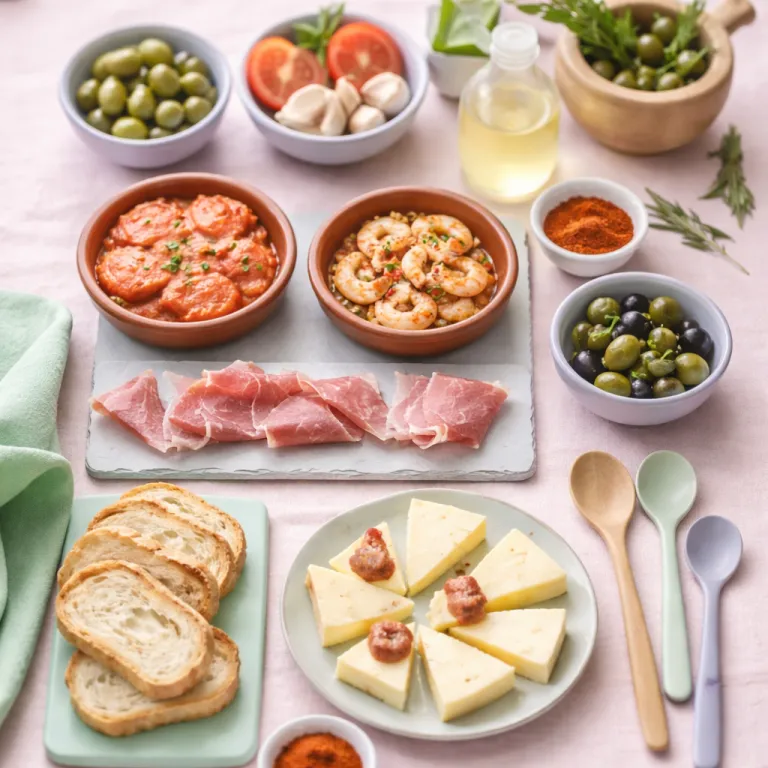
Across Spain, the guide’s new stars and Green Stars highlight a return to regional identity, seasonal food ingredients and traditional recipes treated with respect. Inspectors are rewarding chefs who put iconic dishes and specialty food from their own province at centre stage, whether that means gambas al ajillo in Cádiz, a refined Basque cheesecake in San Sebastián or a reworked cocido madrileño in the capital. This is where current Spanish culinary trends intersect with the hotel industry, because the restaurants most aligned with this movement are increasingly embedded in luxury properties that understand gastronomic tourism as a core part of the guest experience.
Behind the scenes, Spanish chefs, local farmers and food technologists are working together with culinary institutes and food industry associations to read these food trends with unusual precision. Market research, consumer surveys and chef interviews are now supported by data analytics, social media monitoring and AI driven culinary workshops, which means the industry will react faster when guests show interest in plant based dishes or foods high in seaweed. As one recent expert summary from the Basque Culinary Center put it in a 2024 outlook, “Plant-based cuisine, sea vegetables and regional storytelling are no longer niche; they are the backbone of the next Spanish restaurant wave.”
For the business leisure traveler, this has practical consequences when choosing hotels in Spain. A property that treats its gastronomic offer as a marketing add on will feel dated next to a hotel where the cuisine will anchor your stay, from breakfast olive oil tastings to wine pairings focused on wines from Spain rather than generic European labels. When you scan hotel news or skip content on glossy booking pages, look instead for concrete signals such as a named chef, a clear regional focus and partnerships with local producers that show real professionals’ experience in Spanish cuisine.
Madrid is a useful case study because its luxury hotels sit at the crossroads of European finance, Spanish food culture and international tourism. In the city’s most ambitious fine dining rooms, contemporary Spanish cooking translates into tasting menus that move from reimagined tapas to precise plates built around single food ingredients such as a specific olive oil from Jaén or a rare cut of Iberian pork. These restaurants often hold limited free tables for in house guests, so booking a room can be the only way to secure access to the best Spanish food experiences during a packed business schedule.
Not every traveler needs a three hour gastronomic performance, and Michelin now reflects that nuance. Some of the most interesting new entries are relaxed hotel restaurants where the dining room feels like a polished living space, but the cuisine will still show depth through seasonal vegetables, seafood and respectful nods to traditional recipes. When commentators talk about global flavor fusion in the context of Spanish cuisine trends in 2026, the most successful examples in Spain use international techniques to clarify local identity, not to drown it, which is why the industry now treats fusion as a tool rather than a goal.
Return to roots in practice: from plant based plates to olive oil rituals
Spanish cuisine trends in 2026 are often described as a return to roots, yet in the context of luxury hotels this phrase has a very specific meaning. It signals a move away from theatrical tasting menus built around foams and gels, and toward menus where Spanish food, regional wines from Spain and local olive oil form the backbone of the experience. For travelers choosing where to stay, the question becomes simple; which property treats its restaurant as a serious gastronomic project rather than a generic hotel amenity.
Across Spain, data driven research shows a clear rise in plant based dishes and seaweed on menus, and the most forward thinking hotel restaurants are weaving these food trends into Spanish cuisine without losing their identity. In Catalonia, for example, several elegant hotels in Girona now offer tasting menus where vegetables, legumes and seaweed sit beside iconic dishes such as suquet de peix, creating a dialogue between old and new. When you browse options for elegant hotels in Girona for a refined Catalan escape, pay attention to how the chef describes the cuisine; the strongest concepts talk about food culture, not just about views or design.
Olive oil has quietly taken centre stage in many Spanish hotel dining rooms, and this is one of the most telling Spanish cuisine trends in 2026. Instead of a single anonymous bottle, you will often find curated flights of extra virgin oils from different regions of Spain, presented almost like wines from Spain with tasting notes and pairing suggestions. This focus on a single food ingredient turns a simple bread course into a specialty food ritual, and it reveals which restaurants have the confidence to slow down the meal and let guests engage with the basics of Spanish cuisine.
Another visible shift is the way chefs reinterpret traditional recipes without disguising them. In Andalusia, a hotel restaurant in Jerez might serve gambas al ajillo with a lighter garlic emulsion and a precise cooking time, but the dish still reads as one of the iconic dishes of the region rather than an abstract seafood plate. In the Basque Country, a pastry chef may refine the texture of a Basque cheesecake, yet the flavor remains rooted in local cream, eggs and a hint of burnt sugar that guests recognize instantly.
For business travelers, this return to roots offers a powerful tool when hosting clients. Choosing a restaurant where the cuisine will showcase Spanish food culture through clear flavors and seasonal produce sends a different message than booking a place that chases every global trend. When you evaluate hotel options in Spain, ask whether the restaurant works with local partners and collaborators, whether the menu changes with the year’s seasons and whether the chef can explain the origin of key food ingredients at your table.
Technology sits quietly behind many of these decisions, even if you never see it from your table. Culinary institutes and research organizations now use AI to analyze social media posts, reservation patterns and guest feedback, helping professionals with experience in the industry to refine menus around real demand rather than guesswork. Spanish cuisine trends in 2026, from plant based plates to foods high in seaweed, are therefore not abstract ideas but measurable shifts that shape what appears on your plate in hotel restaurants across Spain.
Regional identities at centre stage: Basque, Catalan and Andalusian perspectives
One of the most striking aspects of Spanish cuisine trends in 2026 is how strongly regional voices now shape the national conversation. Instead of a single narrative about Spanish cuisine, you will find Basque, Catalan and Andalusian chefs using hotel restaurants as stages to express their own food culture with precision. For travelers, this means that choosing a hotel in San Sebastián, Girona or the Costa del Sol is also a choice about which regional story you want your plate to tell.
In the Basque Country, luxury hotels often host restaurants where the dining room feels almost monastic in its focus on product. Menus might move from pristine seafood to a slice of Basque cheesecake served with a glass of txakoli, and every element speaks of the nearby coast and hills. Spanish cuisine trends in 2026 here are less about novelty and more about refining iconic dishes until they feel inevitable, which is why many industry observers see Basque fine dining as a benchmark for the rest of Spain.
Catalonia offers a different rhythm, blending avant garde technique with a renewed respect for traditional recipes and local markets. In Girona and along the Costa Brava, hotel restaurants often work closely with partners and collaborators such as small fishermen, vegetable growers and natural wine producers to build menus that change weekly. When you look at luxury resorts on the Costa del Sol for an exceptional Mediterranean stay, you will notice that the most compelling properties talk as much about their cuisine as about their pools or spas.
Andalusia, stretching from Jerez to Málaga, has become a laboratory for Spanish cuisine trends in 2026 that balance sun drenched ease with serious gastronomic intent. A coastal hotel might serve gambas al ajillo on the terrace at lunch, then offer a fine dining tasting menu in the evening that pairs regional olive oil flights with wines from Spain’s sherry triangle. Here, Spanish food culture is inseparable from the landscape, and the best restaurants use specialty food products such as aged vinegars or rare almonds to underline that connection.
Madrid, while not a region in the same sense, plays a crucial role as a national crossroads where chefs from across Spain test ideas before taking them home. High end hotel restaurants in the capital often feature tasting menus that move through different regions, presenting iconic dishes from Galicia, Valencia or the Basque Country with a contemporary twist. Spanish cuisine trends in 2026 in Madrid therefore act as a kind of live news feed for the industry, showing which concepts resonate with both local diners and international guests.
For travelers extending business trips into leisure, understanding these regional nuances helps you read between the lines of hotel marketing. A property that speaks clearly about its regional cuisine, its local partners and collaborators and its commitment to traditional recipes is more likely to deliver a memorable experience than one that lists generic European dishes. When planning a coastal break, for example, choosing a hotel that frames itself as a base for gastronomic exploration of Andalusian seafood rather than just a sun destination will align better with Spanish cuisine trends in 2026.
Even in resort heavy areas such as the Costa del Sol, the most interesting properties now treat their restaurants as serious gastronomic players. Menus highlight foods high in flavor but lighter in technique, with grilled fish, seasonal vegetables and olive oil based sauces replacing heavy creams. This shift reflects a broader understanding across the industry that luxury lies not in excess, but in access to meaning, place and authorship on the plate.
How to read a hotel menu: a playbook for business leisure travelers
For executives who treat Spanish cuisine trends in 2026 as part of their travel strategy, the ability to read a hotel menu has become a competitive advantage. A well chosen restaurant can turn a client dinner into a shared experience of Spanish food culture, while a generic venue risks fading into the background of yet another trip. The goal is not to become a critic, but to recognize which dining rooms in Spain are aligned with the most compelling gastronomic trends.
Start with the basics; does the restaurant name its chef, and does that chef speak clearly about regional identity, local sourcing and seasonal food ingredients. Menus that highlight specific producers, from olive oil mills to small wineries, usually signal deeper engagement with Spanish cuisine than those that list only dish names and prices. When Spanish cuisine trends in 2026 talk about plant based dishes or foods high in seaweed, the most interesting hotel restaurants integrate these elements into the flow of the meal rather than isolating them on a separate page.
Next, look at how traditional recipes and iconic dishes appear on the menu. A thoughtful restaurant might offer gambas al ajillo as a refined small plate, a slow cooked stew based on a grandmother’s recipe or a Basque cheesecake with a modern garnish, but in each case the roots remain visible. Spanish cuisine trends in 2026 reward this clarity of authorship, and Michelin’s latest selections confirm that inspectors value restaurants where the cuisine will express a strong point of view rather than a collage of global influences.
Wine lists offer another window into how seriously a hotel treats its gastronomic role. A list that foregrounds wines from Spain, organized by region and style, tells you that the restaurant sees itself as part of a broader ecosystem of Spanish food and drink. When the sommelier can explain why a sherry from Jerez pairs with a particular seafood course, or why a mountain red from Madrid suits a grilled meat dish, you are experiencing Spanish cuisine trends in 2026 at the table rather than reading about them in industry news.
For travelers who often skim websites and skip content to save time, a few quick checks can help identify the best options. Look for mentions of partnerships with local farmers, culinary institutes or research organizations, which show that the restaurant is plugged into the wider food industry. When a hotel highlights its participation in food festivals, markets or culinary workshops, it usually reflects professionals’ experience and a commitment to staying ahead of food trends rather than following them late.
Location still matters, but not in the way it once did. A sea view in Tenerife or a rooftop in Madrid means little if the cuisine feels anonymous, which is why we now recommend choosing properties where the restaurant is a destination in itself. When planning a refined coastal escape, for example, consider hotels that frame their dining rooms as gateways to regional Spanish cuisine, such as those featured in our guide to where to stay in Tenerife for a refined coastal escape.
Ultimately, Spanish cuisine trends in 2026 point toward a future where luxury hotel dining in Spain is defined less by spectacle and more by meaning. The most compelling restaurants use specialty food products, precise technique and thoughtful service to tell stories about place, season and memory. For business leisure travelers, aligning your hotel choices with these values turns every meal into an asset, strengthening relationships, sharpening your understanding of Spain and ensuring that your time at the table feels as intentional as your time in the boardroom.
Key figures shaping Spanish cuisine trends in 2026
- Plant based menu items in Spanish restaurants are widely reported to be rising, with industry surveys from 2023–2024 suggesting that more than one in three venues now offers a dedicated vegetarian or vegan section while still respecting traditional recipes.
- Seaweed consumption and the use of marine ingredients are also growing, supporting the rise of foods high in coastal flavors on fine dining menus and in hotel restaurants.
- Culinary institutes, food industry associations and research organizations across Spain now integrate AI into trend analysis, allowing chefs and hotel groups to adjust menus in near real time to match evolving guest preferences.
- Gastronomic tourism is recognized as one of Spain’s major growth engines within the wider European travel market, with national tourism data indicating that food motivated visitors spend significantly more per trip than the average leisure traveler, encouraging luxury hotels to invest heavily in Spanish cuisine as a core part of their value proposition.