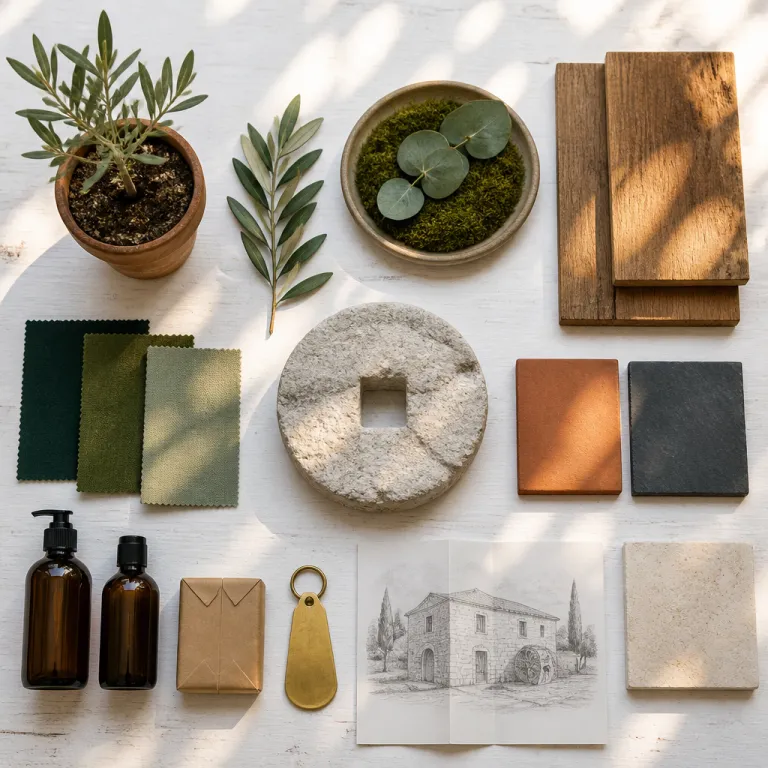
Eco luxury hotels in Spain and the heritage conversion wave
Spain’s most compelling eco luxury hotels now live inside stone walls that predate the nation state. This new generation of hotels shows how heritage conversion can align sustainable luxury with serious environmental performance, turning monasteries, palacios and olive mills into precise instruments for sustainable travel. For business leisure guests extending a stay after meetings in Barcelona or Madrid, these converted historic buildings offer a quieter kind of luxury, where every natural material and every system has been chosen to reduce carbon dioxide emissions without sacrificing comfort.
The policy backdrop matters because Spain’s Sustainable Tourism Strategy uses tax credits to reward investors who meet strict green building standards. Those incentives push hotel developers toward energy efficient design, responsible water management and waste reduction, which makes heritage conversion more attractive than a new building on virgin land. When a historic hotel reuses thick stone walls, vaulted ceilings and existing urban footprints, it locks in lower embodied carbon and a smaller carbon footprint before a single solar panel or eco friendly air conditioning unit is installed.
Across the country, around 97 heritage hotels welcome roughly 1.2 million visitors each year, and many now position themselves as eco luxury hotels in Spain where heritage conversion is the main narrative. A growing share of these hotels integrate renewable energy systems, organic kitchen gardens and responsible consumption policies that phase out single plastics in both singular and plural uses. For travelers, this means a stay can feel genuinely green when the building itself, the energy systems and the social responsibility commitments all work together to promote local culture and long term sustainability.
Why adaptive reuse beats new builds for sustainable luxury
Adaptive reuse starts from a simple premise ; the greenest building is often the one that already exists. When a former olive mill, monastery or city palace becomes a hotel, developers preserve natural materials, reduce construction waste and avoid the environmental cost of new concrete and steel. That is why eco luxury hotels in Spain using heritage conversion often begin with a lower baseline of carbon dioxide emissions than comparable new hotels on the same island or in the same city.
Reusing historic buildings also respects the social fabric that sustainable travel is meant to protect. A converted cortijo in Andalusia or a palace in Barcelona keeps economic activity in established neighborhoods, helping promote local employment and traditional crafts rather than pushing development into fragile coastal dunes. This approach to sustainable luxury aligns with social responsibility goals, because the hotel becomes a steward of both cultural memory and responsible consumption, not just a consumer of land, water and energy.
From an operational perspective, heritage conversion encourages hoteliers to rethink systems from the ground up. Thick stone walls and shaded courtyards reduce the need for aggressive air conditioning, while carefully restored windows and roofs can be paired with energy efficient glazing and discreet solar panels. When these systems are combined with responsible water strategies, such as rainwater capture and greywater reuse, the hotel can cut its carbon footprint and water use while still offering a spa, a hotel spa or several wellness spaces that feel entirely natural rather than engineered.
Where policy meets practice : tax credits and technical choices
Spain’s tax credits for green building standards are not abstract ; they shape the technical choices you experience during a stay. To qualify, investors typically need to show measurable gains in sustainability, from energy efficient lighting and insulation to advanced water management systems that reduce leakage and encourage responsible water use. These requirements push eco luxury hotels in Spain using heritage conversion to integrate eco friendly technologies such as solar panels, high performance air conditioning and digital controls that minimize unnecessary energy consumption.
Inside a restored monastery or palace, you might notice subtle but important details. Showers and taps are calibrated for responsible consumption of water, while landscaped patios use drought tolerant, organic planting to reduce irrigation needs. Waste policies often eliminate single plastics in guest rooms and hotel spas, replacing them with refillable amenities and natural materials like glass, ceramic and responsibly sourced wood that support both environmental goals and tactile luxury.
Tax incentives also encourage hotels to track and report their environmental impact, which is where carbon footprint and carbon dioxide metrics become more than marketing language. Some properties publish annual sustainability reports that quantify dioxide emissions reductions from new systems, including solar arrays and upgraded boilers. For travelers comparing hotels, these numbers help separate genuinely sustainable luxury from vague eco claims, especially when combined with third party certifications and clear commitments to promote local suppliers, artisans and food producers.
From Menorcan fincas to Ibiza fortresses : standout heritage conversions
On the island of Menorca, Villa Le Blanc by Gran Meliá has become a reference point for eco friendly operations, positioning itself as the first carbon neutral luxury hotel on the island. Here, solar panels, efficient air conditioning and advanced water management systems work behind the scenes while whitewashed walls and natural materials echo traditional Menorcan architecture. The result is sustainable luxury that feels effortless, with a spa and hotel spa facilities that use organic products and responsible water practices rather than resource intensive extravagance.
Vestige Binidufà, part of the Vestige Collection, takes a different but complementary path on another Menorcan estate. This 18th century finca sits on hundreds of hectares, where original stonework and historic buildings have been restored with a light touch to preserve environmental integrity. Guests move between rooms, terraces and green landscapes that require minimal artificial air conditioning, while systems for responsible consumption and reduced dioxide emissions are integrated so discreetly that the stay feels like a return to a slower, more natural rhythm.
In Ibiza’s Dalt Vila, the Parador de Ibiza occupies a 16th century fortress, showing how heritage conversion can anchor sustainable travel in a UNESCO listed old town rather than in new coastal sprawl. Similar stories unfold at Castilla Termal Monasterio de Valbuena in Ribera del Duero, where thermal spa waters meet a restored monastery, and at Torre del Marqués Hotel Spa & Winery in Aragón, an 18th century tower surrounded by vineyards. Each hotel demonstrates how eco luxury hotels in Spain using heritage conversion can pair spa rituals, local wine and organic cuisine with serious sustainability systems that cut carbon dioxide emissions while promoting local culture.
How to read the sustainability behind the marble and linen
For travelers, the challenge is separating genuine eco friendly practice from polished sustainability language. Start by asking how the hotel building was created ; a heritage conversion that reuses existing structures usually has a lower environmental impact than a new resort, especially when combined with energy efficient systems and responsible water strategies. Look for clear information on carbon footprint, water management and waste, not just vague references to being green or sustainable.
Certifications and data points help, but so do small operational details you can see during your stay. Are single plastics absent from the spa, hotel spa and minibar, replaced by refillable glass and natural materials such as cotton, linen and wood ? Does the restaurant promote local producers, serve organic ingredients and explain how it manages responsible consumption to reduce food waste and dioxide emissions from transport ? These signals show whether sustainability is embedded in daily practice or confined to a marketing page.
Spain’s culinary scene offers another lens, especially as more eco luxury hotels in Spain with heritage conversion pursue regenerative dining. Properties like Santa Catalina in Las Palmas, which earned the first Michelin Green Star in the Canary Islands, show how sustainable travel can extend from the building to the plate. When you see a hotel connecting its environmental systems, its social responsibility commitments and its gastronomy, supported by Spain’s growing constellation of Michelin starred restaurants highlighted in guides such as the one covered by MySpainStay’s analysis of Spain’s Michelin starred record, you know sustainability is part of a coherent strategy rather than a decorative label.
The business logic behind Spain’s green heritage hotels
Behind the romance of cloisters and courtyards lies a hard headed business case. Heritage conversion allows investors to leverage existing structures, tax credits and strong demand for sustainable travel, creating eco luxury hotels in Spain where heritage conversion becomes a premium selling point. A well restored building with energy efficient systems, responsible water infrastructure and low carbon dioxide emissions can reduce operating costs over time while commanding higher rates from guests who value sustainable luxury.
These hotels also benefit from narrative depth that a new building on a blank site cannot match. A former olive mill, a Gaudí era mansion in Barcelona or a monastery in Castilla y León carries stories that align naturally with social responsibility and cultural preservation. When a hotel uses natural materials, promotes local artisans and eliminates single plastics, it reinforces a sense of place that keeps guests returning for both business and leisure stays.
There is a wider strategic angle too, as Spain positions itself as a leader in sustainable tourism rather than a mass market destination. By tying tax incentives to green building standards, the government nudges investors away from speculative coastal sprawl and toward heritage projects that protect environmental and cultural assets. For travelers, this means that choosing a heritage conversion is not only an aesthetic decision ; it is a way to support systems level change in how hotels use energy, water and land across the country.
FAQ
What is an eco luxury hotel in a Spanish heritage building ?
An eco luxury hotel in a Spanish heritage building is a high end property that operates inside restored historic buildings while implementing sustainable practices. These hotels combine energy efficient systems, responsible water management and reduced carbon footprint with refined service and design. They offer spa facilities, organic cuisine and natural materials without relying on single plastics or wasteful resource use.
Why convert monasteries, palaces and olive mills into hotels ?
Converting monasteries, palaces and olive mills into hotels preserves cultural heritage while supporting sustainable travel. Adaptive reuse avoids the environmental impact of constructing a new building, reducing embodied carbon dioxide emissions and protecting landscapes from overdevelopment. It also helps promote local economies by keeping activity in historic centers and supporting artisans, farmers and small businesses.
Are eco luxury heritage hotels more expensive than other options ?
Prices at eco luxury heritage hotels vary, but many sit in the premium range because of their location, restoration costs and high service standards. Guests pay for both the historic setting and the investment in sustainable systems such as solar panels, efficient air conditioning and advanced water management. However, the value often feels higher because the stay includes cultural depth, environmental responsibility and a strong sense of place.
Do eco focused heritage hotels still offer full modern comfort ?
Eco focused heritage hotels are designed to offer modern comfort while reducing environmental impact. Guests can expect high quality beds, reliable air conditioning, fast connectivity and well equipped spa areas, alongside organic amenities and natural materials. The difference lies in how these comforts are delivered, using energy efficient systems, responsible water strategies and reduced waste rather than resource intensive solutions.
How can I verify the sustainability claims of a heritage hotel ?
To verify sustainability claims, look for recognized certifications, transparent reporting on carbon footprint and clear explanations of water management and waste policies. Ask the hotel about its use of solar panels, elimination of single plastics and partnerships that promote local producers and social responsibility projects. As one expert summary puts it, “Do eco-hotels offer modern amenities? Yes, they combine sustainability with luxury.”