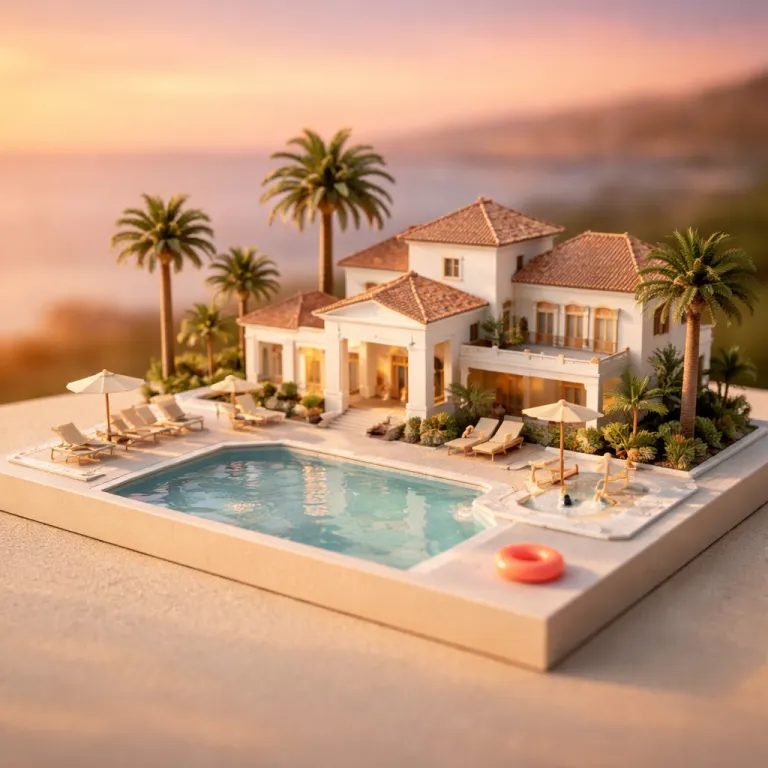
What family friendly luxury really means in resort Spain
In Spain’s resort destinations, genuine family friendly luxury begins with respect. A high end hotel that truly understands parents and children balances calm spaces for adults with inviting areas where younger guests can play without being pushed to the margins. The most thoughtful beach and spa properties design every stage of the stay, from check in to late evening, so adults feel indulged while children feel quietly, consistently considered.
Forget the idea that a family resort in Spain is only about a loud pool and a crowded beach. In the most refined coastal retreats along the Mediterranean, you will see shaded family cabanas by the sea, early children’s seatings that still serve regional cuisine and concierge teams who curate island experiences rather than pushing generic inclusive packages. When you explore these destinations across Spain, you start to learn that luxury for families is about intelligent planning, not endless buffets.
Across the Balearic Islands and Canary Islands, the new benchmark for an inclusive resort is subtle service rather than wristbands. A five star hotel in southern Spain might offer inclusive dining that highlights local Mediterranean sea fish and Andalusian olive oils, while still preparing simple plates for younger palates without defaulting to fried food mountains. Thoughtful all inclusive properties also think about logistics, from guaranteed interconnecting rooms to free parking for multi generational road trips along the Costa del Sol and the greener northern coast.
Mallorca Balearic: established icons and the new wave of refined family resorts
Mallorca remains the reference point for any family considering a stylish resort holiday in Spain. Along the southwest coast, long established hotels and beach clubs have learned how to balance grown up calm with children’s energy, often reserving one pool for quiet sunbathing and another for more animated family time near the shore. In the north of Mallorca Balearic, near Pollença and Alcúdia, resort Mallorca properties lean into nature, with pine framed paths leading from the hotel gardens to wide sandy beaches and shallow Mediterranean waters.
The most interesting shift on the island is the move toward design led, low rise resort spa concepts that still feel unmistakably Mallorcan. Mandarin Oriental’s planned opening in Mallorca, announced in 2023, signals how seriously the luxury sector now treats premium family travel, with bungalows and suites designed so that parents can enjoy a terrace facing the sea while children sleep undisturbed in a separate, well insulated space. This new generation of resort in Mallorca shows that a star hotel can be both architecturally ambitious and genuinely family friendly without turning into a theme park.
Families choosing a base in Mallorca should look closely at layout before booking. Properties that stretch from the main building down to the beach often hide the most tranquil rooms in the gardens, away from the central pool and activity center, which suits light sleeping children and parents who value quiet mornings. For deeper planning around what to do beyond the sand, a guide to luxury experiences in Spain beyond the beach helps you learn which parts of the island pair best with cultural day trips and which are better for pure sea and pool days.
Menorca and the quieter Balearic islands: refinement without the crowds
While Mallorca often headlines conversations about Spanish beach resorts, Menorca has quietly become the Balearic Islands choice for families who value space and silence. The island’s protected coves and low key villages attract travelers who prefer a short walk to a wild beach over a promenade lined with bars facing the sea. Here, hotels and resorts tend to be smaller, with a focus on gardens, discreet pool areas and direct access to the Mediterranean rather than vast entertainment complexes.
On Menorca, a family friendly resort spa usually means shaded lawns, thoughtful children’s menus that echo local cuisine and staff who remember names by the second day. Many of these hotels offer suites that function almost like small apartments, giving parents a separate living area where they can read or talk after bedtime without feeling trapped in the dark. When you explore the island by car, free parking at your chosen star hotel becomes essential, especially if you plan to reach the more remote beaches that define Menorca’s appeal.
Families who want to combine Menorca’s calm with a taste of Catalan culture on the mainland often pair their stay with a few nights in Girona or along the Costa Brava. Elegant properties in Girona, such as those highlighted in this guide to refined Catalan hotels, offer a city counterpoint to island life, with medieval streets to explore and easy day trips to quieter Costa beaches. This island and city pairing shows how a resort based holiday in Spain can be more than a single destination, becoming a layered journey across different coasts and cultures.
Mainland coasts: Costa Brava, Costa del Sol and the rise of the golf resort
On the mainland, Spain’s resort coastline stretches from the rugged Costa Brava down to the sun drenched Costa del Sol, with very different moods for families. The Costa Brava suits active travelers who like to hike coastal paths in the morning and swim from rocky coves in the afternoon, returning to a hotel that feels more like a Mediterranean villa than a mega resort. Many family friendly hotels here offer small pools, intimate restaurants and easy access to historic city centers such as Girona or Figueres.
Farther south, the Costa del Sol has long been associated with large scale hotel complexes, yet a new generation of properties is refining the experience for premium families. Don Carlos Resort in Marbella, recognized among the world’s best new hotels after its recent transformation, shows how a star hotel on this coast can deliver lush gardens, serious gastronomy and well designed family suites without sacrificing elegance. Nearby, La Cala Resort, known as one of the largest golf resorts in Spain, demonstrates how parents can play championship courses while children join small group activities that focus on nature and sport rather than screens.
Families considering a base in Marbella or along the wider Costa del Sol area should look for coastal resorts that offer both beach access and thoughtful transport links. Properties with free parking make it easier to explore inland white villages or the cultural center of Málaga without relying on taxis. For those who prefer more privacy, pairing a stay in a refined resort with a few nights in a private villa, such as the options highlighted in this guide to elegant villas in Marbella, can create a balanced Costa del Sol itinerary.
Atlantic and green Spain: Canary Islands, Asturias and Cantabria for active families
Spain’s resort offering is not only about the Mediterranean; the Atlantic facing coasts and islands offer a different rhythm for families. In the Canary Islands, destinations such as Tenerife, Gran Canaria and Costa Adeje combine reliable sunshine with volcanic landscapes that invite exploration beyond the pool. Here, inclusive resorts often sit close to promenades where local families stroll at sunset, giving visitors a sense of everyday island life rather than an isolated resort bubble.
On Tenerife, many hotels and resorts cluster around Costa Adeje, where family friendly design means tiered pool decks, children’s splash zones and quieter adult only terraces facing the sea. Some properties, including international names like DoubleTree by Hilton, have refined their inclusive resort offerings so that parents can enjoy à la carte dinners while children join supervised evening activities in small, well staffed groups. On Gran Canaria, resort spa complexes near Maspalomas and Meloneras often include thalassotherapy circuits and serious fitness facilities, allowing wellness focused parents to maintain routines while children attend sailing or surf lessons on nearby beaches.
For families who prefer cooler temperatures and greener landscapes, northern Spain offers a compelling alternative to the classic Mediterranean resort image. Along the coasts of Asturias and Cantabria, small hotels with sea views and easy access to wild beaches provide a base for hiking, surfing and village hopping. While these areas have fewer large scale inclusive resorts, they excel in authentic cuisine and unspoiled nature, which many premium families now value more than endless entertainment programs.
Eco luxury, ski escapes and what to check before you book
Beyond the coasts, Spain’s resort map includes mountain and countryside retreats that appeal to families seeking space and sustainability. Finca La Donaira in Andalucía, widely cited as a leading luxury eco retreat in Spain, shows how a rural property can combine serious environmental credentials with elevated service, organic cuisine and meaningful activities for children such as horse riding and farm experiences. In the Pyrenees, Boí Taüll Resort, with a top elevation of around 2,751 meters according to official ski area data, offers families reliable snow and a compact, easy to navigate base.
When evaluating hotels and resorts for a family trip, look beyond the star rating and marketing language. Study resort maps to understand the distance between your room category, the main pool, the beach and the children’s club, because a long uphill walk at midday can turn even the most beautiful Mediterranean setting into a daily negotiation. Check whether free parking is included, how many restaurants are covered by any inclusive package and whether the resort spa allows children during certain hours, which can be a quiet highlight for older kids.
It is also worth paying attention to how a resort in Spain talks about its staff and training. Large chains such as RIU Hotels & Resorts, which specializes in all inclusive properties and reported revenues of approximately 4.2 billion euros in 2023 according to company figures, have the scale to invest in consistent service standards across multiple islands and coasts. Before you confirm a booking, read recent guest feedback about noise levels, children’s facilities and room soundproofing, because these details often matter more to family comfort than the exact distance to the sea.
Practical planning: rooms, dining and daily rhythm for premium families
Thoughtful room configuration is the foundation of a successful family stay in resort Spain. Interconnecting rooms or one bedroom suites allow parents to maintain an adult space while children sleep, which becomes essential on longer trips across Spain’s coasts and islands. When comparing hotels, always learn whether these configurations can be guaranteed at booking or only requested on arrival; for example, some chains will only confirm “family interconnecting” categories when both rooms are booked under a single reference.
Dining is the next pillar, especially for families who care about regional cuisine. The best inclusive resorts now offer children’s menus that echo local dishes in smaller portions, introducing young travelers to Mediterranean flavors rather than defaulting to international fast food every night. Look for hotels where chefs are willing to adapt dishes slightly for younger guests, such as serving grilled fish from the Mediterranean sea with plain rice instead of spicy sides.
Finally, consider the daily rhythm you want as a family before choosing between different coastal and island resorts. Some parents prefer a resort spa environment with structured morning activities, a quiet siesta period and evening shows, while others favor a more independent setup where the pool and beach are simply backdrops to self planned days. By aligning your expectations with the specific strengths of each resort in Spain, from a golf resort on the Costa del Sol to a low key property on a Balearic island, you ensure that luxury and family time support each other rather than compete.
Key figures shaping resort Spain for families
- Spain currently counts around 34 ski resorts, with Boí Taüll Resort recognized as the highest ski resort in the country at roughly 2,751 meters, which makes it a reliable choice for families seeking snow sure winter holidays (figures based on aggregated Spanish ski industry data).
- RIU Hotels & Resorts reported revenues of approximately 4.2 billion euros in its 2023 financial data, underlining how significant the inclusive resort model has become within Spain’s hospitality landscape (according to the company’s published results).
- Finca La Donaira’s recognition in international travel awards as a leading luxury eco retreat in Spain reflects the growing demand for sustainable, nature based stays among premium travelers, including families (as noted in recent global hotel rankings).
- Don Carlos Resort in Marbella being named among the world’s best new hotels after its renovation highlights how the Costa del Sol is repositioning itself toward higher end, design conscious resorts (according to major travel publication lists).
FAQ about luxury family resorts in Spain
Which parts of Spain are best for luxury family resorts ?
Mallorca and the wider Balearic Islands offer the broadest range of luxury family resorts, from classic beachfront hotels to new design led properties. The Costa del Sol around Marbella and the Canary Islands, especially Tenerife and Gran Canaria, also provide many family friendly options with strong infrastructure. Families seeking quieter stays often choose Menorca, the Costa Brava or the green coasts of Asturias and Cantabria.
How family friendly are inclusive resorts in Spain ?
Inclusive resorts in Spain vary widely, but many have evolved beyond basic buffets and crowded pools. The best examples offer flexible dining times, high quality ingredients and small scale children’s clubs with well trained staff. When researching, focus on recent reviews about food quality, noise levels and the balance between adult and family spaces.
Are there luxury eco resorts in Spain suitable for children ?
Yes, several eco focused properties in Spain welcome families while maintaining strong sustainability standards. Finca La Donaira in Andalucía is a leading example, combining organic farming, horse riding and wellness with high service levels. These retreats usually suit families who value nature, slow travel and meaningful activities over large entertainment programs.
Is it better to stay in one resort or combine several regions ?
For trips longer than a week, many premium families benefit from combining two regions, such as Mallorca and Girona or Marbella and a quieter inland area. This approach allows you to enjoy resort facilities while also experiencing Spain’s cultural centers and landscapes. When planning, factor in transfer times between airports, resorts and cities to avoid exhausting travel days; for instance, flying from Palma de Mallorca to Málaga typically takes about an hour and a half, but door to door travel can easily reach half a day once transfers are included according to typical airline schedules.
What should families check before booking a resort in Spain ?
Key points include room configuration, guaranteed interconnecting options, pool layout and proximity to the beach or activity areas. Families should also confirm whether free parking is available, what is included in any inclusive package and how children’s clubs are structured by age. Reading detailed, recent guest feedback about noise, cleanliness and staff attitude provides the most reliable picture of what your stay will feel like.