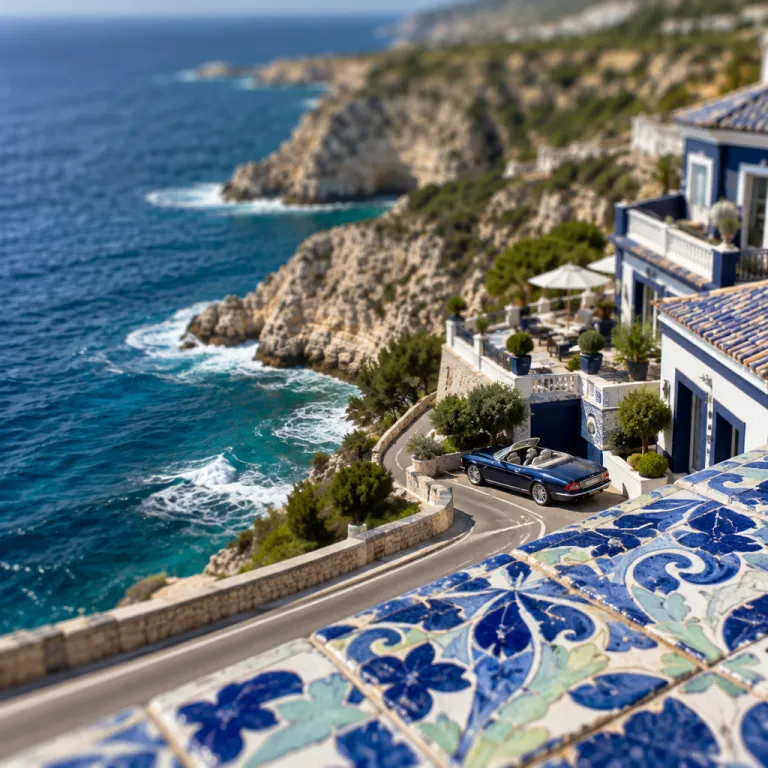
Valencia driving routes for luxury travellers
Driving around Valencia and along the Mediterranean coast feels effortlessly elegant. When you plan your time behind the wheel with a focus on premium hotels and well chosen stops, every hour on the road becomes part of the experience. Thoughtful routes, refined pauses, and reliable car parks shape how you will remember this journey.
Most luxury travellers start their Valencia road itinerary at Valencia Airport (VLC), where premium rental car desks offer high end models with automatic gearboxes and full insurance. Before you hit the road, check your driving permit, credit card coverage, and any online driver registration details to avoid delays at the counter. A short practice drive around the airport access roads and parking areas helps each driver adjust to Spanish road signs, speed limits, and the feel of the wheel.
From the city, one of the most rewarding driving routes runs south along the CV-500 towards Albufera Natural Park. This stretch is ideal for relaxed driving practice in real traffic conditions, with wide lanes, clear markings, and several safe car parks beside the lagoon near El Palmar. Time your visit so you arrive near sunset, when the light over the rice fields is at its most dramatic and the drive back to your hotel along the coast feels almost cinematic.
Another refined option for motorists is the inland course towards Requena and Utiel via the A-3, passing vineyards and quiet villages. The road is smooth and well maintained, which makes it perfect for driver education style practice if you are sharing the car with a less experienced companion. Plan at least two hours each way, allowing time for a leisurely lunch in Requena’s old town and a short walk among the bodegas before you set off again.
Luxury hotels in Valencia often arrange private pick and drop services with professional drivers for guests who prefer not to drive into the historic centre. This can be especially helpful if you are unused to tight parking spaces or complex one way systems on the old town road network. Combine chauffeured transfers with your own driving time outside the city to balance comfort, independence, and safety.
Top luxury hotels in Valencia for road focused stays
Choosing the right hotel is essential when driving is central to your trip. Many five star properties around Valencia now design services specifically for guests arriving by car, from secure underground car parks to tailored road trip concierge support. This attention to motoring related details can transform a simple overnight stay into a seamless, high value experience.
Along the beachfront, several luxury hotels such as Hotel Las Arenas Balneario Resort and Only YOU Hotel Valencia offer valet parking, fast pick and drop zones, and 24 hour security for your car. These services matter when you have spent significant time selecting a premium vehicle and want to protect it while you sleep or dine. Ask whether the hotel can arrange a private driver for a half day, which allows you to rest while still enjoying a scenic drive along the V-21 or coastal CV roads.
Inland, high end properties near Requena and Utiel appeal to travellers who combine Valencia driving with wine tourism. Many of these estates sit along quiet country roads, ideal for relaxed driving practice and unhurried exploration between vineyards. For a deeper look at vineyard stays across Spain, including options reachable within a few hours of Valencia by car, consult this detailed guide to sleeping among Spanish vineyards during harvest season.
When you book, check how many hours per day the parking facilities remain staffed and whether electric vehicle charging is available; several Valencia hotels now provide Type 2 chargers in their garages. Some properties integrate online check in with digital permit management for their car parks, which speeds up arrival and reduces time spent at reception. If you plan to share driving duties, confirm that the hotel can register multiple drivers for the same room and parking space.
Luxury concierges in Valencia increasingly act like a personalised driving school for visiting motorists. They advise on the best time to hit the road, the most scenic course between cities, and where a cautious driver should avoid narrow streets. Their local knowledge often exceeds what any online map can provide, especially regarding temporary road works, events, or high traffic hours that could affect your carefully planned routes.
Coastal drives from Valencia to other premium destinations
Driving out of Valencia along the Mediterranean coast opens access to some of Spain’s most desirable seaside resorts. The road north towards Castellón and the Costa del Azahar via the AP-7 offers long, open stretches that suit confident drivers who enjoy time behind the wheel. Southbound, the route towards Dénia and Jávea, also following the AP-7 and coastal CV roads, rewards patient driving with dramatic sea views and refined marinas.
Many travellers combine a stay in Valencia with a few nights near Barcelona, creating a multi stop itinerary linked entirely by car. The drive between the two cities along the AP-7 and AP-2 takes several hours, so plan your course with at least one extended break in a town with reliable car parks and quality dining. For inspiration on where to pause for a swim or lunch, consult this elegant guide to the best beaches close to Barcelona, then adapt the ideas to your own schedule.
On these longer routes, safe parking becomes as important as the hotel room itself. Many premium coastal properties now highlight their secure car parks, valet services, and covered spaces as key amenities for guests who arrive by car. When you book online, look for clear information about parking hours, height limits, and whether the hotel can accommodate larger vehicles often used by families or groups of drivers.
Driving along the coast also offers an excellent opportunity for informal driving lessons if you are travelling with a new driver. Choose quieter sections of road during low traffic hours, then switch seats so the learner can gain practice under your supervision. This kind of real world driver education, far from any formal driving school, can build confidence before a future driving test or official drive test back home.
Some luxury hotels partner with local providers to offer structured driving experiences, from classic car rentals to guided road tours. These curated outings allow you to hit the road without worrying about navigation, parking, or timing, since a professional driver handles the logistics. For many guests, this blend of independence and support becomes the highlight of their Valencia driving holiday.
Urban driving in Valencia and practical tips for motorists
Driving inside Valencia’s city limits requires a different mindset from open road touring. Streets in the historic centre can be narrow, with limited parking and frequent one way systems that challenge even experienced drivers. Planning your route and preferred car parks in advance will save time and reduce stress on arrival.
Many visitors treat their first day in the city as a kind of informal traffic school, using short drives to understand local habits and signage. Pay attention to bus lanes, cycle paths, and pedestrian zones, which are clearly marked but easy to miss when you are tired from travel. If you feel uncertain, leave the car in a secure parking facility such as an underground garage near Colón or the City of Arts and Sciences and continue by taxi or on foot while you adjust to the rhythm of city driving.
Luxury hotels often provide detailed maps that highlight recommended roads, safe pick and drop points, and nearby car parks with 24 hour surveillance. These resources function almost like personalised driving lessons, tailored to your hotel’s exact location and your comfort level as a driver. Ask the concierge which streets to avoid at peak hours, especially around major events when traffic can be unusually high.
For guests arriving from countries with different driving rules, a short practice session in a quiet neighbourhood can be invaluable. Spend thirty minutes getting used to the wheel position, indicator layout, and local road markings before tackling central Valencia. This simple step often prevents minor incidents and makes the rest of your urban itinerary feel far more relaxed.
When paying for parking or fuel, keep a dedicated credit card handy to separate travel expenses from daily spending. Many premium car parks in Valencia now accept contactless payments and offer online receipts, which simplifies expense tracking for business travellers. These small operational details may seem mundane, yet they contribute significantly to the overall quality of a high end road focused stay.
From California freeways to Spanish avenues: lessons from valencia high
Travellers who first learned to drive in places like Santa Clarita or at Valencia High School in California often notice sharp contrasts when they start navigating Spanish roads. Wide American freeways, long merge lanes, and familiar Department of Motor Vehicles procedures shape how a driver approaches any new environment. Understanding these differences helps you adapt more quickly and enjoy your time behind the wheel abroad.
In Santa Clarita, many teenagers complete driver education through a local driving school, then take their DMV driving test on broad suburban streets. They follow a structured course of classroom driver education, online modules, and supervised driving lessons before attempting the official DMV test. By contrast, Spanish licensing focuses more on formal driving school hours, repeated practice in dense urban traffic, and rigorous test preparation for both theory and practical exams.
If you trained at Valencia High or another American high school, you probably remember the emphasis on defensive driving and freeway etiquette. Those skills remain valuable when you join Spain’s high speed motorways, especially on long stretches of the AP-7. However, you will also need to adjust to roundabouts, different right of way rules, and more compact parking spaces than you may be used to in Santa Clarita.
Some travellers even schedule a short refresher course with a local driving school in Spain, treating it as advanced driver education rather than a basic lesson. A professional instructor can ride with you for a few hours, offering targeted guidance on local norms, parking techniques, and complex junctions. This approach mirrors the best practices of American traffic school, but in a real city environment instead of a simulated course.
While you will not interact with any DMV Valencia office when visiting as a tourist, it helps to think like you are preparing for a drive test each time you enter a new city. Stay alert, review signs carefully, and treat every unfamiliar junction as if it were part of a formal driving test route. This mindset, shaped by your original DMV driving experience, can make driving in and around Valencia both safer and more enjoyable.
How luxury brands are reshaping road trip hospitality in Spain
Spain’s high end hotel scene is evolving quickly, and Valencia road itineraries benefit directly from this transformation. International brands and independent luxury groups are investing heavily in properties that cater to guests who arrive by car. Secure parking, seamless arrivals, and road trip friendly services now sit alongside spa menus and fine dining as core elements of the premium experience.
Several leading brands, including Mandarin Oriental, Nobu, and Thompson, are redefining Spanish luxury with design led hotels that pay close attention to how guests move between cities. Their teams understand that many travellers will drive between Madrid, Valencia, and the Mediterranean coast, expecting consistent standards of service at every stop. For a deeper look at this shift, you can read about how new luxury brands are remaking Spanish hospitality and then apply those insights to your own plans.
These hotels often act as informal hubs for sophisticated driver education, sharing curated road trip itineraries, estimated driving hours, and realistic arrival times between destinations. Concierges help you design a course that balances time behind the wheel with meaningful stops, ensuring that each road segment feels purposeful rather than rushed. They may even suggest specific car types for different legs of your journey, from compact models for city driving to larger vehicles for long motorway stretches.
Payment processes are also adapting to the needs of road focused guests. Many luxury properties now allow you to store a credit card securely for all on site services, including parking, fuel top ups arranged through partners, and even private driver hire. This reduces the administrative burden of each stop and lets you focus on the simple pleasure of driving between carefully chosen hotels.
As this brand wave continues, expect more hotels across Spain to integrate driving related services into their core offering. From guaranteed late check in for guests delayed on the road to flexible pick and drop arrangements with trusted drivers, the entire ecosystem is becoming more road trip friendly. For travellers who value both the journey and the destination, this alignment between luxury hospitality and thoughtful driving support is a welcome development.
Key statistics for luxury road travel and hotel stays in Spain
- According to Spain’s Ministry of Transport, Mobility and Urban Agenda, around 80 percent of domestic leisure trips are made by car, which underlines how central driving is to Spanish tourism.1
- Data cited by the Spanish Hotel Association indicates that well over half of five star hotels in major cities such as Valencia now offer secure on site parking, a share that has risen markedly compared with a decade ago.2
- European Commission road safety reports show that Spain’s motorway network ranks among the safer systems in Europe, with a road fatality rate per million inhabitants below the EU average.3
- Tourism surveys from TurEspaña reveal that travellers who combine car journeys with stays in higher category hotels tend to spend up to 30 percent more per trip than visitors who rely solely on public transport.4
- Industry research on electric mobility notes that the number of Spanish hotels with electric vehicle charging points has more than doubled in recent years, improving options for sustainable Valencia driving itineraries.5
1 Based on modal split data for domestic tourism trips published by the Spanish Ministry of Transport, Mobility and Urban Agenda (MITMA).
2 Aggregated from Spanish Hotel Association (CEHAT) reports on urban hotel facilities and parking availability.
3 Derived from European Commission “Road Safety in the EU” statistical overviews comparing member state performance.
4 Drawn from TurEspaña analyses of average expenditure by transport mode and accommodation category.
5 In line with figures reported in Spanish and EU studies on the expansion of hotel based EV charging infrastructure.
FAQ about valencia driving and luxury hotel stays
Is it easy to drive and park in Valencia for hotel guests ?
Driving in Valencia is manageable if you plan ahead and choose hotels with secure parking. Many luxury properties offer valet services, underground car parks, and clear directions for approaching by car. Booking a room that includes parking access will simplify your arrival and departure.
Do I need an international driving permit to rent a car in Spain ?
Most visitors from the European Union can drive with their national licence, while travellers from other regions may need an international driving permit alongside their home licence. Rental companies in Valencia will confirm requirements when you book online. Always carry your passport, licence, and permit in the car while driving.
How much time should I allow for coastal drives from Valencia ?
Coastal drives from Valencia to nearby resorts typically take between one and three hours each way, depending on your destination. Allow extra time for traffic, scenic stops, and meals so the journey remains relaxed. Luxury hotels along the route can advise on realistic driving times for specific itineraries.
Are Spanish motorways suitable for less experienced drivers ?
Spanish motorways are generally well maintained, clearly signed, and considered safe, which helps less experienced drivers feel more comfortable. However, speeds are high, so new drivers should build confidence on quieter roads before using major routes. Sharing driving duties and planning regular breaks will make long journeys easier.
Can luxury hotels in Valencia arrange private drivers for day trips ?
Many high end hotels in and around Valencia maintain partnerships with licensed chauffeurs who can provide private drivers for day trips or airport transfers. This service is ideal if you prefer not to handle city traffic or parking yourself. Ask the concierge to organise a tailored itinerary that matches your schedule and interests.