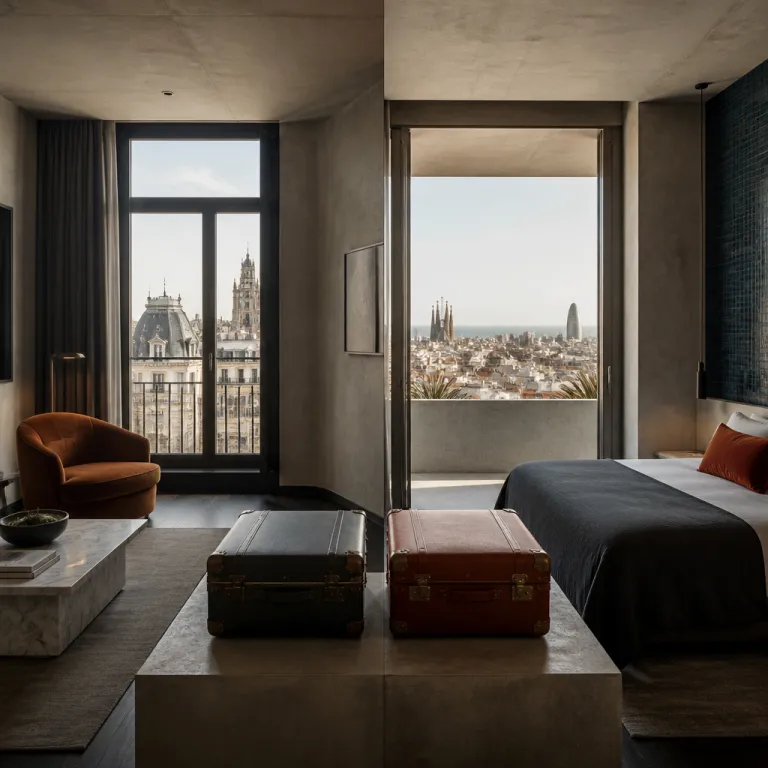
Madrid vs Barcelona travel for first time visitors to Spain
Madrid and Barcelona shape very different visions of Spain for luxury travelers. When you compare Madrid vs Barcelona travel, you are really choosing between an elegant royal capital and a Mediterranean coastal city with a beach lifestyle. Both cities reward every day of your trip, yet the best choice depends on how you like to travel and how you imagine your ideal city break.
In Madrid, the historic centre feels compact enough to visit on foot in a few days. The grand avenues of Madrid city frame palaces, museums, and Michelin starred restaurants that attract people who value culture as much as comfort. Barcelona city stretches along the sea, so your time naturally alternates between architectural tours, lazy hours on the beach, and evenings in creative restaurants.
Luxury hotels in Madrid often cluster around the Salamanca district and near the Royal Palace. This part of the city suits travelers who want refined shopping, discreet service, and easy access to the main museums for short trips. In Barcelona, high end properties line Passeig de Gràcia and the waterfront, giving you a choice between urban glamour and sea views during your stay.
How many days to spend in each city
For a first Madrid vs Barcelona travel itinerary, three days in each city works well. With six days in total, you can balance art focused tours in Madrid with more relaxed beach time and food experiences when you visit Barcelona. If you only have four days in Spain, consider spending more time in the city that matches your priorities and saving the other for a future trip.
Art lovers usually find Madrid better for concentrated cultural visits. The Prado, Thyssen Bornemisza, and Reina Sofía museums sit within walking distance, so you can plan one museum per day without rushing between distant neighborhoods. In Barcelona, the Sagrada Família, Casa Batlló, and the Gothic Quarter are spread out, which means you should allow extra time for transfers and guided tours.
When planning a week in Spain, many travelers choose a Madrid Barcelona combination. They arrive in Madrid city for four days of museums and day trips, then continue to Barcelona city for three days of coastal relaxation. Others reverse the route and travel from Barcelona Madrid by speed train, finishing with a final night near the Royal Palace before flying home.
Culture, museums, and architecture for luxury minded travelers
Culture is where the Madrid vs Barcelona travel debate becomes especially nuanced for high end guests. Madrid offers a dense cluster of world class museums, while Barcelona delivers a unique blend of Gothic and Modernist architecture anchored by Gaudí’s masterpieces. Your choice of city will shape how you spend each day, from curated tours to private gallery visits.
In Madrid, the so called Golden Triangle of Art concentrates three major museums within a short walk. Many people book private tours that combine the Prado in the morning with the Thyssen in the afternoon, leaving time for a leisurely lunch in the nearby Retiro park area. This pattern makes Madrid city ideal for travelers who prefer structured cultural days with clear highlights.
Barcelona’s cultural identity feels more dispersed yet equally compelling. The Gothic Quarter preserves medieval streets and hidden courtyards, while the Eixample district showcases Modernist façades and luxury hotels in restored mansions. A private visit to the Sagrada Família outside regular opening hours can become the emotional centre of your trip, especially when combined with a tasting dinner nearby.
Day trips and regional culture beyond the cities
Many luxury travelers extend their Madrid vs Barcelona travel plans with curated day trips. From Madrid, the classic day trip leads to Toledo or Segovia, where you can pair heritage tours with long lunches in historic settings. Some itineraries also include a Madrid Seville combination, using the high speed train network to connect major cities in a single week Spain journey.
From Barcelona, day trips often focus on wine, coastline, or medieval villages. You might spend one day exploring the Penedès vineyards, staying overnight in a refined wine estate that you book through a specialist platform for vineyard stays in Spain; this kind of harvest season vineyard accommodation adds depth to any trip. Another popular option is a day trip to Girona and the Costa Brava, where you can combine cultural visits with a late afternoon walk along a quiet beach.
Some travelers compare these Spanish day trips with their experiences in other Mediterranean regions such as Mykonos Santorini or Athens Mykonos. While the Greek islands excel at island hopping trips, Spain Barcelona and Madrid city offer richer museum collections and more varied inland landscapes. If you have already enjoyed Florence Rome combinations in Italy, you may find that Madrid Barcelona pairings deliver a similar cultural density with a distinctly Spanish character.
Gastronomy, nightlife, and the rhythm of each city
Food and nightlife often decide the Madrid vs Barcelona travel question for returning visitors. Madrid leans toward traditional taverns, elegant dining rooms, and late night energy that spills from rooftop bars into the streets. Barcelona feels more coastal and experimental, with seafood focused menus and cocktail bars that reflect its creative design culture.
In Madrid, many of the best restaurants cluster around Salamanca, Chamberí, and the historic centre. You can spend one evening moving from a classic tapas bar near Plaza Mayor to a contemporary tasting menu in a luxury hotel, then finish the night with cocktails overlooking the city skyline. This rhythm suits people who enjoy long dinners and social nights that stretch well past midnight.
Barcelona’s culinary scene draws heavily on the sea and nearby countryside. Lunch might mean grilled fish in Barceloneta after a relaxed morning on the beach, while dinner could be a refined tasting menu in Eixample paired with Catalan wines. For travelers who value variety, curated food tours in both cities reveal how regional differences shape Spain Barcelona gastronomy.
Luxury hotel styles and neighborhoods
Choosing the right neighborhood is essential for any Madrid vs Barcelona travel plan focused on premium hotels. In Madrid city, the grand avenues around the Retiro park and Salamanca district host many of the most prestigious properties. These hotels often occupy historic buildings with marble lobbies, art collections, and attentive concierges who can arrange private museum tours or exclusive day trips.
Barcelona city offers two main luxury clusters that appeal to different types of trips. Passeig de Gràcia suits travelers who want designer shopping, easy access to Gaudí landmarks, and quick transfers to the Gothic Quarter for evening strolls. The waterfront area, by contrast, appeals to people who want resort style facilities, direct access to the beach, and sunset views over the Mediterranean.
International brands such as Mandarin Oriental, Nobu, and Thompson have reshaped the high end landscape in both Madrid and Barcelona. Their presence signals how Spain positions itself alongside destinations like Florence Rome or Mykonos Santorini in the global luxury market; you can explore this shift in more depth through an analysis of how global brands are remaking Spanish luxury hospitality. Whether you choose Madrid better for its classic elegance or Barcelona for its coastal flair, these brands guarantee consistent service standards.
Beaches, parks, and outdoor experiences in and around the cities
Outdoor space is where Barcelona often gains an advantage in the Madrid vs Barcelona travel comparison. The city’s urban beaches, coastal promenades, and nearby coves give you easy access to the sea without leaving the metropolitan area. Madrid compensates with manicured parks, rooftop terraces, and day trips to nearby mountains and reservoirs.
Barcelona’s main city beach in Barceloneta can feel busy, yet it remains convenient for a quick swim or sunset walk. Luxury travelers often prefer quieter stretches along the coast, which you can reach by private transfer or short train rides for more relaxed beach days. For curated suggestions on refined coastal escapes near Barcelona city, consult this guide to elegant beaches close to Barcelona for luxury minded travelers.
Madrid’s green spaces offer a different kind of outdoor experience. Retiro park provides boating on the lake, shaded walks, and outdoor art, while Casa de Campo delivers larger forested areas for cycling or running. Many high end hotels near these parks design wellness focused trips that combine spa treatments, rooftop pools, and guided runs through the city at cooler times of day.
Comparing coastal and inland escapes
When you extend your Madrid vs Barcelona travel beyond the cities, the contrast between coastal and inland escapes becomes sharper. From Barcelona, you can plan multi day trips along the Costa Brava, staying in luxury seaside properties that echo the atmosphere of Mykonos Santorini yet with a distinctly Catalan flavor. From Madrid, you might choose rural estates, wine country stays, or historic paradores in Castile and La Rioja.
Some travelers combine a week Spain itinerary that includes both city stays and countryside retreats. A typical pattern might be three days in Madrid city, two nights in a vineyard hotel, and then two or three days in Barcelona city for the beach and Sagrada Família. This structure allows you to compare Spain Barcelona coastal culture with the more traditional rhythms of central Spain in a single trip.
Solo travelers often appreciate how easy it is to move between these environments using the speed train network. You can travel from Madrid Barcelona or Barcelona Madrid in around three hours, then continue by regional train or private transfer to smaller towns. Compared with itineraries such as Athens Mykonos or Florence Rome, Spain’s rail infrastructure makes multi city trips particularly efficient.
Logistics, speed trains, and multi city itineraries
Practical logistics strongly influence any Madrid vs Barcelona travel decision, especially for short luxury breaks. Both cities serve as major international gateways to Spain, with frequent flights from Europe, North America, and beyond. Once you arrive, the high speed train network turns multi city trips into smooth, comfortable journeys.
The AVE and other high speed services connect Madrid Barcelona in roughly three hours. Trains depart from Madrid’s Atocha station and arrive at Barcelona Sants, linking the two cities more efficiently than most domestic flights. For travelers planning a week Spain itinerary, this speed train route makes it easy to split time between Madrid city and Barcelona city without losing a full day to transfers.
Many itineraries also include a Madrid Seville segment, which takes around two and a half hours by high speed train. Some travelers then continue from Seville to Barcelona, creating a triangle that showcases three very different Spanish cities in one trip. When compared with routes such as Florence Rome or Athens Mykonos, Spain’s rail system offers similar comfort with often more frequent departures.
Structuring your days and nights
Daily rhythm matters as much as transport when planning Madrid vs Barcelona travel. In both cities, lunch tends to fall later than in many other European destinations, and dinners often start after 21:00. Luxury hotels adapt to this pattern with flexible room service hours and late opening restaurants, which helps people arriving from different time zones.
In Madrid, mornings are relatively calm, making them ideal for museum visits or quiet walks through Retiro park. Afternoons often slow down during the hottest months, then evenings come alive around the Royal Palace area, La Latina, and Salamanca. Barcelona follows a similar pattern, but the presence of the beach shifts more activity toward the waterfront, especially on warm days.
Solo travelers should pay attention to how each city feels at night in different neighborhoods. Central areas in both Madrid and Barcelona remain lively late into the evening, which many guests find reassuring when returning to their hotel after dinner. When planning day trips, consider early departures to avoid crowds, especially if you want unhurried experiences at landmarks such as the Sagrada Família or the main museums in Madrid city.
Who should choose Madrid, who should choose Barcelona
The most useful way to approach Madrid vs Barcelona travel is to match each city with specific traveler profiles. Madrid suits visitors who prioritize art, history, and a classic European capital atmosphere. Barcelona appeals more to those who want a blend of culture, design, and easy access to the beach.
For art focused trips, Madrid better serves your interests thanks to its museum concentration. You can spend several days moving between the Prado, Thyssen, and Reina Sofía without repeating experiences, especially if you book themed tours. Barcelona’s cultural strength lies in its streets and buildings, from the Gothic Quarter to Gaudí’s works, which reward slow walks and architectural photography.
Food driven travelers may find it hard to choose between the two cities. Madrid offers a broader range of traditional taverns and contemporary Spanish cuisine, while Barcelona leans toward seafood and Mediterranean flavors. Many people resolve this dilemma by planning a combined Madrid Barcelona itinerary, using the speed train to experience both culinary scenes in a single trip.
Solo travelers, couples, and families
Solo travelers often ask whether Madrid or Barcelona feels safer or more comfortable for independent exploration. Central districts in both cities remain busy late into the evening, and luxury hotels provide strong concierge support, which helps with arranging transfers, restaurant bookings, and guided tours. The choice usually comes down to whether you prefer Madrid city’s museum and park culture or Barcelona city’s beach and design focus.
Couples planning romantic trips might lean toward Barcelona for its coastal setting and sunset walks along the waterfront. The combination of the Sagrada Família at golden hour, intimate restaurants in the Gothic Quarter, and stylish rooftop bars creates a memorable atmosphere. Madrid, however, offers its own romance through twilight views near the Royal Palace, quiet corners in Retiro park, and candlelit dinners in historic buildings.
Families often appreciate how both cities integrate child friendly attractions into urban life. In Madrid, parks, interactive museums, and wide boulevards make it easy to move with strollers or older children. Barcelona adds the extra dimension of the beach, which can turn even short trips into relaxed holidays, especially when you choose hotels with pools and family oriented services.
Key statistics for planning Madrid and Barcelona luxury stays
- Madrid and Barcelona together welcome tens of millions of visitors each year, with Barcelona city often recording slightly higher international arrivals while Madrid city leads in domestic tourism according to data from Spain’s national statistics institute.
- The high speed train journey between Madrid and Barcelona typically takes around three hours, with multiple departures per day, making it one of the most heavily used rail corridors in Spain according to Renfe passenger figures.
- Both cities offer extensive museum networks, with Madrid’s main three art museums alone attracting several million visitors annually, while Barcelona’s Sagrada Família ranks among the most visited monuments in Spain based on regional tourism reports.
- Average daily rates for luxury hotels in central districts of Madrid and Barcelona often exceed 250–300 euros during peak seasons, reflecting strong demand for high end accommodation in both cities according to industry benchmarking studies.
- Spain’s high speed rail network spans thousands of kilometres, placing the country among the global leaders in fast train infrastructure and enabling efficient multi city itineraries that combine Madrid, Barcelona, and other regional hubs.
FAQ about Madrid vs Barcelona travel for luxury hotel guests
Is Madrid or Barcelona better for a first luxury trip to Spain ?
Madrid works best if you want concentrated art, grand avenues, and a classic European capital feel, while Barcelona is better if you prefer a mix of architecture, design, and easy access to the beach. Many first time visitors split a week Spain itinerary between both cities using the speed train. This approach lets you compare Madrid city’s museums with Barcelona city’s coastal lifestyle in a single trip.
How many days should I spend in Madrid and Barcelona ?
For a balanced Madrid vs Barcelona travel experience, plan at least three days in each city. With six days, you can see major museums in Madrid, the Royal Palace, the Gothic Quarter, and the Sagrada Família without rushing. If you have less time, focus on one city and add a day trip rather than trying to cover too many places.
Is the high speed train better than flying between Madrid and Barcelona ?
For most travelers, the speed train between Madrid and Barcelona is more convenient than flying. Journey time is around three hours station to station, and you avoid airport transfers and security queues. The train also offers comfortable seating, space to work or relax, and frequent departures throughout the day.
Which city is better for solo travelers, Madrid or Barcelona ?
Both Madrid and Barcelona suit solo travelers who stay in central districts and use common sense in busy areas. Madrid offers a compact museum district and lively but walkable nightlife zones, while Barcelona combines urban attractions with a beach that feels welcoming for solo visitors. Your choice should reflect whether you prefer art and parks or coastal walks and waterfront dining.
Can I combine Madrid, Barcelona, and other Spanish cities in one trip ?
Yes, many itineraries combine Madrid, Barcelona, and at least one additional city such as Seville or Valencia. The high speed rail network makes it realistic to plan multi city trips in one week Spain, especially if you limit hotel changes and choose central locations. For longer trips, you can add vineyard stays or coastal resorts to create a varied yet still comfortable journey.