Seville neighborhoods for luxury travelers seeking the right address
Seville is a compact city where the right neighborhood transforms a simple trip into a refined urban escape. This guide to Seville neighborhoods focuses on the best area choices for travelers who value comfort, culture, and seamless access to major tourist attractions. When you stay in the right Seville neighborhood, every hotel, plaza, and shaded patio feels like an extension of your private casa, especially if you choose one of the best boutique hotels in Santa Cruz or a discreet riverside retreat in Triana.
The historic core of Sevilla is divided into characterful neighborhoods, each with a distinct rhythm and style. Santa Cruz, Triana, the Centro district, Alameda, La Macarena, Nervión, and Los Remedios all offer different ways to stay Seville in comfort while remaining within walking distance of key sights. Understanding how each barrio fits into the wider city layout helps you consider staying where your preferred atmosphere and hotel standards align, whether you favor heritage palacios or contemporary design hotels.
Official municipal maps list more than one hundred barrios in Seville, with 108 neighborhoods commonly cited in local references and Wikipedia-style summaries.[1] Luxury guests usually focus on a handful of central neighborhoods that cluster around the city center, the river, and the grand avenues that lead toward Plaza de España and Parque de María Luisa. When you choose the best places for your stay, you balance elegance, tranquility, and proximity to authentic tapas bars and cultural venues, often within a ten to twenty minute walk of the cathedral or the Real Alcázar.[2]
Santa Cruz, Alfalfa and the historic centro for classic elegance
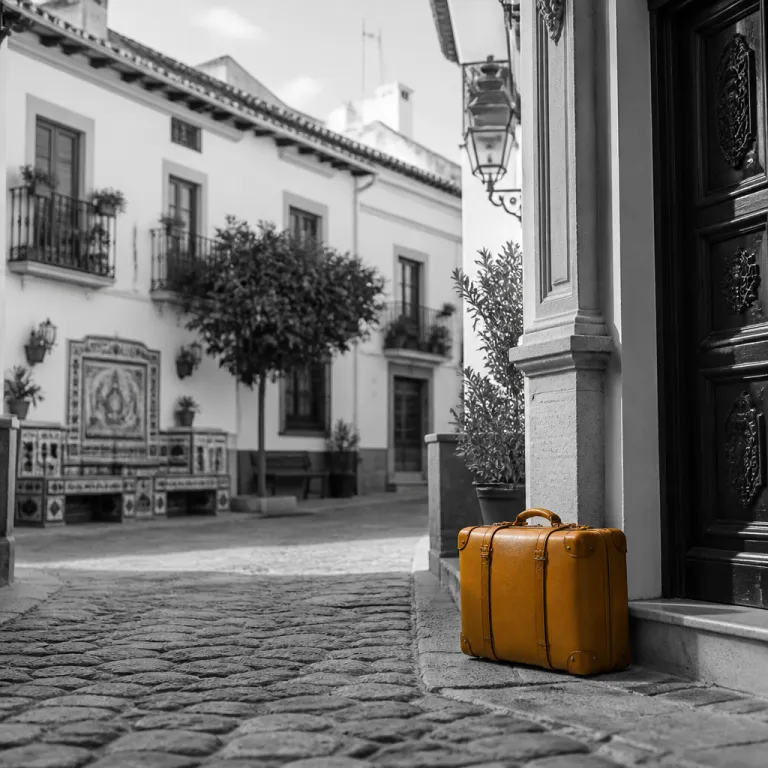
For many first time visitors, Santa Cruz is the best area to feel immersed in the city’s layered history. Within this compact barrio Santa Cruz, you find whitewashed casas, intimate plazas, and some of the best hotels for guests who want heritage architecture and attentive service. One evening you might step out of your hotel and hear a lone guitarist in a tiny square near Plaza de Doña Elvira, the scent of orange blossom drifting through the air as church bells echo above the tiled rooftops.
The wider Centro district stretches from Santa Cruz and Alfalfa toward the grand avenues of the city center, offering a refined mix of historic buildings and contemporary hotels. Around Plaza del Salvador and the Alfalfa neighborhood, elegant properties sit above lively tapas bars, giving you a sophisticated stay within easy walking distance of the cathedral and the Real Alcázar. From Plaza del Salvador, you can reach the cathedral in about seven minutes on foot at a relaxed pace,[2] which makes this part of Sevilla ideal if you want a hotel that combines traditional charm with modern comforts while remaining close to major tourist attractions and key cultural venues.
Travelers who prefer a quieter stay Seville often consider staying in streets just beyond the busiest lanes of Santa Cruz and Alfalfa. Here, smaller luxury hotels and high end guest casas provide calm courtyards, rooftop terraces, and discreet service. One typical choice is a boutique casa on a side street near Calle Águilas, where you can walk to Plaza de España in around twenty minutes or reach the riverfront in roughly fifteen.[2] Notable examples in and around the historic centro include Hotel Alfonso XIII (Santa Cruz, typically €350–€600 per night), Hotel Casa 1800 Sevilla (Santa Cruz, around €180–€320), and EME Catedral Mercer Hotel (near the cathedral, about €250–€450), all of which place you within a short stroll of major monuments while offering refined service and rooftop views.
Triana and Los Remedios for riverside character and local life
Across the Guadalquivir River, the Triana neighborhood offers a different expression of Seville’s character, rich in flamenco heritage and ceramics workshops. This barrio of Sevilla is known for its markets, traditional casas, and a strong sense of community that appeals to travelers who want a more local stay. As you wander down Calle Betis at dusk, the river reflects the golden light from the Giralda tower, and the sound of clinking glasses and distant guitar music drifts from open bar doors along the promenade.
Luxury and premium hotels in Triana are fewer than in the city center, but they reward guests with river views and quieter surroundings. Many travelers consider staying in Triana when they want walking distance access to the historic centro while enjoying a calmer neighborhood across the bridge. From the Triana Bridge to the cathedral, the walk takes about fifteen to twenty minutes at a relaxed pace,[2] so you can explore the main tourist attractions by day and then return to a hotel that feels like a private casa overlooking the water. Properties such as Zenit Sevilla (Triana, usually €120–€220 per night) and Ribera de Triana Hotel (Triana, around €110–€200) offer comfortable rooms, rooftop pools, and easy access to both the riverfront and the historic center.
South of Triana, Los Remedios is a residential barrio with wide avenues and a more contemporary feel, appealing to guests who prefer space and discretion. This area borders Parque de María Luisa and offers easy access to Plaza de España, making it a strategic base for families and repeat visitors. Family-friendly hotels in Los Remedios and nearby areas often provide larger rooms and convenient parking, which suits guests planning day trips beyond the city. If you are planning a wider Andalusian itinerary that includes rural retreats, resources on the finca alternative for families trading beach resorts for rural Spain can complement your choice of a city hotel in Triana or Los Remedios, especially when you want to balance urban culture with countryside calm.
Alameda and La Macarena for creative energy and emerging luxury
North of the historic centro, the Alameda de Hércules neighborhood has evolved into a creative hub with vintage shops, craft beer bars, and lively plazas. This Alameda area attracts travelers who enjoy design forward hotels and a slightly bohemian atmosphere while remaining within walking distance of the city center. On warm evenings, children play around the fountains, couples linger over vermouth at sidewalk tables, and the low murmur of conversation fills the air beneath the plane trees.
Adjacent La Macarena is traditionally known as a more budget friendly barrio, yet it is gradually welcoming higher quality hotels and stylish renovated casas. La Macarena is suitable for budget travelers, but discerning guests now find a few carefully curated properties that offer excellent value. These hotels often provide larger rooms than those in Santa Cruz, while still keeping you close to key tourist attractions via a pleasant walk of about twenty minutes to the cathedral through historic streets.[2] Examples include One Shot Palacio Conde de Torrejón 09 (between Alameda and La Macarena, typically €100–€190 per night) and Hotel Patio de la Alameda (Alameda, around €90–€170), both set in restored historic buildings with atmospheric courtyards.
For travelers comparing Seville neighborhoods, Alameda and La Macarena work well if you prefer a slightly quieter stay with easy access to authentic tapas bars. You can consider staying in this area when you want to experience local markets, community events, and a less polished but very genuine side of the city. As luxury demand grows, the best hotels here are focusing on personalized service, thoughtful design, and strong connections to neighborhood artisans, such as collaborations with local ceramic studios and independent galleries that bring the creative energy of the barrio directly into guest rooms and shared spaces.
Nervión and the modern city center for business and shopping
East of the historic core, Nervión represents the modern commercial face of Seville, with shopping centers, offices, and wide boulevards. This neighborhood is particularly convenient for business travelers who want efficient transport links and contemporary hotels with full service facilities. Step outside a hotel near Nervión Plaza on a weekday morning and you will see office workers heading to meetings, shoppers browsing the mall, and the metro gliding past beneath rows of leafy street trees.
Guests who choose to stay in Nervión often appreciate the balance between urban convenience and quick access to the historic centro. The metro and bus connections make it easy to reach Santa Cruz, Plaza de España, and Parque de María Luisa while returning each evening to a quieter, more spacious hotel. From Nervión metro station to the cathedral, the journey usually takes around fifteen minutes including a short walk via Line 1 and a brief stroll through the city center,[3] which suits travelers who want a clear separation between sightseeing and rest, especially during busy events or festivals in Sevilla.
From a luxury perspective, Nervión’s hotels tend to emphasize comfort, technology, and reliable service over historic charm. This suits guests who prioritize amenities such as gyms, pools, and business lounges while still wanting to stay Seville rather than in an out of town location. When you compare Seville neighborhoods, Nervión stands out as a practical choice that complements more atmospheric stays in Santa Cruz or Triana on longer itineraries, particularly if you are combining leisure with meetings or shopping in the modern city center.
How to choose the best area and hotel style for your stay
Selecting the best places to stay in Seville starts with clarifying your priorities. If you want to step out of your hotel directly into medieval lanes and intimate plazas, the Santa Cruz and Alfalfa neighborhoods are ideal. Travelers who prefer a more local rhythm and riverside walks often consider staying in Triana or Los Remedios instead, especially if they enjoy evening strolls along the riverfront before returning to a quiet room with views of the illuminated bridges.
Those who value creative energy and nightlife may find Alameda and La Macarena the best area for their style, especially with the growing number of design focused hotels and renovated casas. Nervión and the modern city center suit guests who want straightforward access to transport, shopping, and business services without sacrificing comfort. For a deeper comparison of refined districts and property types, a dedicated guide to where to stay in Seville for a refined city escape can help you match each neighborhood to your travel goals, from historic palacios to contemporary suites.
Across all these Seville neighborhoods, the most sought after hotels share certain qualities: attentive staff, thoughtful design, and locations within walking distance of key tourist attractions. One frequent recommendation from repeat visitors is to choose a property with a rooftop terrace, whether in Santa Cruz, Triana, or Alameda, so you can end each day with views of church towers and tiled rooftops. When you stay in a well chosen casa style property or a discreet luxury hotel, the neighborhood becomes part of your experience rather than just a backdrop, and each evening walk back to your room feels like a small ritual of discovery.
Signature addresses, plazas and practical tips for luxury guests
Several landmark spaces help orient you as you navigate Seville neighborhoods and select your preferred base. Plaza de España and Parque de María Luisa anchor the southern part of the city center, offering grand architecture, gardens, and easy access to nearby hotels. In the historic core, smaller plazas near Santa Cruz and Alfalfa provide intimate settings where high end properties often hide behind understated façades, their entrances marked only by a discreet brass plaque or a lantern above a wooden door.
When evaluating the best hotels, pay attention to how each property relates to its immediate barrio and surrounding streets. A hotel near Plaza del Salvador or in the heart of Santa Cruz will place you steps from major tourist attractions but may also bring more evening noise from popular tapas bars. By contrast, a refined casa in Triana or Los Remedios might offer quieter nights and river views, with a slightly longer but pleasant walking distance to the cathedral and the Alcázar. For visual planning, look for maps or images that show the cathedral, the river, and key plazas together; image alt text such as “aerial view of Seville neighborhoods around the cathedral and river” or “sunset over Triana Bridge and the Guadalquivir River” can help you quickly identify the setting that best matches your ideal stay.
For travelers planning a broader Spanish itinerary that combines city stays with coastal or rural retreats, it can be helpful to pair Seville with elegant coastal cities for luxury seaside stays. This approach allows you to enjoy the cultural depth of Sevilla’s neighborhoods before or after time by the sea or in the countryside. Whatever combination you choose, wearing comfortable shoes for walking and sampling local tapas in each neighborhood will deepen your connection to the city, whether you are comparing best boutique hotels in Santa Cruz or shortlisting family-friendly hotels in Los Remedios and Triana.
Key statistics about Seville neighborhoods and stays
- Seville has 108 officially recognized neighborhoods according to Wikipedia and municipal summaries,[1] which means travelers can choose from a wide variety of barrios beyond the main tourist areas.
- Core districts such as Santa Cruz, Triana, Alameda, La Macarena, Nervión, and Los Remedios concentrate most visitor stays, reflecting a trend toward combining historic charm with modern comfort in central Seville neighborhoods.
- Local tourism organizations report growing interest in authentic neighborhood experiences, which supports the rise of high quality accommodations in areas like Alameda and La Macarena and encourages more curated boutique properties.
- Culinary tours focused on tapas bars in different neighborhoods have become one of the most popular premium activities in Seville, especially around Santa Cruz, Triana, and the city center, often combining short guided walks of ten to twenty minutes between tasting stops.[2]
FAQ about staying in Seville neighborhoods
Which neighborhood is best for a first stay in Seville ?
For a first stay, Santa Cruz is often considered the best neighborhood because it combines a central location with major historic sites such as the cathedral and the Real Alcázar. The narrow streets, small plazas, and traditional casas create a strong sense of place. You can walk easily to most tourist attractions while enjoying a wide choice of quality hotels and restaurants, many of them set in restored palacios with rooftop terraces overlooking the Giralda.
Is Triana a good area for luxury travelers ?
Triana is an excellent area if you value local character and riverside views more than being in the exact city center. While there are fewer luxury hotels than in Santa Cruz, the properties that do exist tend to offer spacious rooms and calmer surroundings. You can cross the bridge on foot to reach the main tourist attractions, then return to a neighborhood known for flamenco, ceramics, and authentic tapas bars, with the added benefit of riverfront promenades and sunset views across the water.
Is La Macarena suitable for budget conscious guests ?
La Macarena is suitable for budget conscious guests and is known for its local charm and alternative bar scene. Travelers who stay here can still reach the historic center on foot while enjoying a more residential atmosphere and increasingly stylish mid range accommodations. Many visitors appreciate the contrast between lively evenings around Alameda de Hércules and quieter residential streets just a few blocks away, where daily life continues largely unchanged by tourism.
How far are the main sights from the modern Nervión district ?
Nervión is located east of the historic center, and most main sights are reachable within 15 to 25 minutes by public transport or a slightly longer walk. The metro and bus connections make it straightforward to reach Santa Cruz, Plaza de España, and Parque de María Luisa, with Line 1 linking Nervión station to Puerta de Jerez in roughly ten minutes before a short walk to the cathedral.[3] This makes Nervión a practical choice for guests who want modern hotels and shopping while keeping easy access to cultural landmarks.
Which neighborhoods are best for nightlife and dining ?
For nightlife and dining, Alameda de Hércules and the surrounding streets in La Macarena offer a vibrant mix of bars, restaurants, and live music venues. Santa Cruz and Alfalfa provide more traditional tapas bars and intimate plazas, especially in the early evening. Triana is also renowned for its evening atmosphere, with many locals gathering in its bars and along the riverfront, where you can combine riverside walks with late dinners and informal flamenco performances.
Sources and notes
[1] Number of neighborhoods based on commonly cited municipal and Wikipedia-style summaries of Seville’s administrative barrios.
[2] Walking times are approximate, based on standard online map estimates for relaxed walking speeds between central landmarks.
[3] Metro journey times derived from published Line 1 schedules between Nervión and Puerta de Jerez stations, plus an additional short walk to the cathedral.