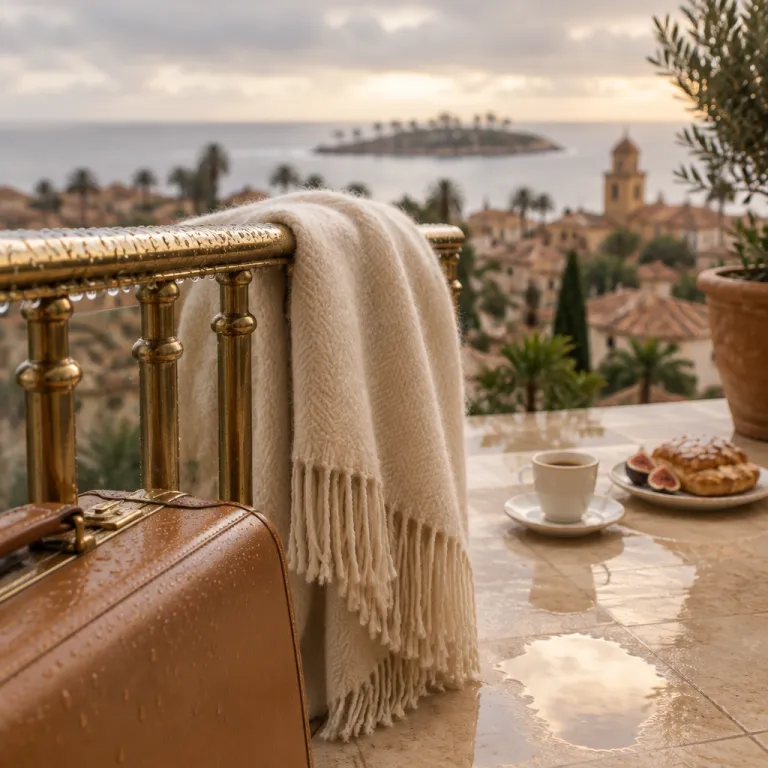
Understanding the weather in Spain in November for luxury stays
The weather in Spain in November quietly shapes every luxury stay you plan. Across the country, this is often an ideal moment for refined travel, with softer light and milder temperatures enhancing elegant hotels, private guides, and curated experiences. When you plan a trip, the contrast between northern cities and southern coasts becomes essential for choosing the right ambience and wardrobe.
In Madrid, average daytime conditions in November usually range from about 8 to 15 degrees Celsius, which feels pleasantly crisp for museum visits and gourmet lunches on heated terraces. According to the Spanish State Meteorological Agency (AEMET, monthly climatological summaries for Madrid-Retiro, 1991–2020 normals, consulted March 2024), rainfall averages around 50 mm with roughly 6–7 rainy days, and you can expect about 9–10 hours of daylight. Barcelona tends to be slightly milder at this time of year, with AEMET data for Barcelona-Airport (1991–2020 normals, accessed March 2024) indicating average maximum temperatures close to 17 °C and around 55–60 mm of rain, so you can stroll along Passeig de Gràcia or the waterfront without the intense heat that dominates earlier months.
Across Spain, November brings shorter days, but the light is gentle and flattering for architecture, plazas, and sea views. It is rarely truly cold in the southern part of the country, although evenings can feel fresh enough to justify a tailored coat and a glass of warming sherry in a hotel bar. When you evaluate the climate for a high-end escape, remember that December in Spain and the core winter months of January and February will generally be cooler, so November often represents a balanced middle ground, with sea temperatures on many Mediterranean beaches hovering around 17–19 °C (AEMET coastal water temperature bulletins, autumn averages, reviewed March 2024).
Madrid and Barcelona in November for premium urban escapes
For many travellers, the weather in Spain in November makes Madrid and Barcelona especially attractive for a cultured, luxurious break. In Madrid, clear blue skies are common, and the cooler temperatures allow you to enjoy rooftop cocktails without the glare and heat of summer. This is an excellent time to visit the Golden Triangle of Art, then retreat to a five-star suite with a spa, butler service, and private concierge.
Barcelona in November feels more relaxed, and the sea air softens the climate even when late-autumn patterns turn slightly cooler. You can plan a refined Spain itinerary that includes Gaudí landmarks, Michelin-starred dining, and a chauffeured tour along the coastline. For guests who want to combine city energy with seaside calm, this is often the best moment to book a room overlooking the Mediterranean and enjoy long, gentle hours of sunshine.
Luxury travellers who visit Spain in late autumn often praise the reduced crowds in both cities, especially around major monuments and designer shopping districts. Data from Turespaña’s “Estadísticas de movimientos turísticos en fronteras (FRONTUR),” annual series 2019–2023 (consulted March 2024), show that international arrivals in November are typically 30–40 % lower than in peak summer months, which translates into more availability in high-end properties. One Madrid concierge recently noted that November guests “often secure junior suites with breakfast and spa access for 15–25 % less than in May,” a pattern echoed in Barcelona’s luxury hotels when you compare travel between October and November.
Coastal Spain in November: Andalusian charm and sherry country
Along the southern coast, the weather in Spain in November often feels softer than in the interior, which makes Andalusia a refined choice for sun-seeking guests. Cities such as Málaga, Cádiz, and Marbella usually enjoy mild conditions, with daytime temperatures that invite terrace lunches, harbour walks, and sunset aperitifs. AEMET climate normals for Málaga-Airport (1991–2020, accessed March 2024) indicate average maximums around 19–20 °C, about 80 mm of rain, and sea temperatures near 18–19 °C, ideal for a trip that balances cultural tours with spa afternoons and waterfront suites.
In the sherry triangle around Jerez de la Frontera, El Puerto de Santa María, and Sanlúcar de Barrameda, November is an atmospheric time of year to explore historic bodegas. You can arrange private experiences that include cellar tastings, carriage rides, and gourmet pairings, all framed by the golden light typical of late-autumn evenings in southern Spain. Many luxury hotels in this region offer curated excursions, so your days can be tailored to your interests, from equestrian shows to intimate flamenco performances.
Coastal travel in late autumn also benefits from fewer crowds on promenades and in renowned restaurants, which enhances the sense of exclusivity. When you plan an itinerary that includes both Andalusia and Catalonia, consider how the weather patterns differ between the Atlantic and Mediterranean coasts, especially if you are sensitive to wind or humidity. One frequent guest described November in Cádiz as “warm enough for lunch in the sun, cool enough for a cashmere wrap at dusk,” a balance that many luxury travellers appreciate when they compare it with the hotter, busier summer season.
Island escapes: Canary Islands and Balearic elegance in November
For guests who prioritise warmth, the weather in Spain in November makes the Canary Islands the most reliable choice for sun. This Atlantic archipelago, including Tenerife, Gran Canaria, Lanzarote, and Fuerteventura, usually offers spring-like conditions when mainland cities feel cooler. Many luxury resorts here feature heated pools, ocean-view suites, and private access to volcanic-sand beaches.
When you visit Spain for an island retreat, you can expect daytime temperatures in the Canary Islands often hovering around the low to mid twenties Celsius. AEMET climatological normals for coastal stations such as Tenerife South and Gran Canaria Airport (1991–2020, consulted March 2024) show average maximums close to 22–24 °C, modest rainfall around 20–30 mm, and sea temperatures near 21–22 °C. High-end properties frequently organise bespoke excursions, from yacht charters to guided hikes through national parks, so your time on the islands can be as active or as relaxed as you wish.
The Balearic Islands, including Mallorca, Menorca, and Ibiza, experience cooler late-autumn conditions, yet they remain appealing for tranquil, design-focused stays. Many five-star hotels here stay open with attractive shoulder-season rates, ideal for a quiet escape with spa rituals, vineyard visits, and private tastings. If you prefer intimate coves and dramatic coastal scenery, consider a serene escape on the Costa Brava and explore a secluded Costa Brava beach retreat before or after your island day of relaxation.
Planning your luxury itinerary around Spain’s November climate
Designing a high-end itinerary around the weather in Spain in November requires a clear sense of your priorities. If you value cultural depth and gastronomy, cities such as Madrid, Barcelona, and Seville work beautifully with the cooler but comfortable climate. Those who prefer poolside relaxation and beach walks may find the Canary Islands or the Costa del Sol more suitable at this time.
When you calculate how many days to allocate, consider combining two or three regions to experience different microclimates. A classic plan might include three days in Madrid, four days in Andalusia, and five days in the Canary Islands, giving you a balanced mix of museums, palaces, and seaside leisure. This structure also allows you to adapt to any unexpected variations in the forecast, since you can shift outdoor activities between destinations.
Luxury travellers often ask about the best time to visit Spain for refined hotels and attentive service. In many cases, the most appealing period outside peak summer is between October and early December, with November offering particularly attractive conditions and fewer crowds. The World Tourism Organization’s “UNWTO Tourism Highlights” and “International Tourism Results” reports (2018–2023 editions, reviewed March 2024) consistently rank Spain among the world’s top three destinations by international arrivals, underlining the importance of planning early for premium stays even in shoulder seasons.
Practical tips for luxury hotel bookings and seasonal comfort
Understanding the weather in Spain in November helps you choose the right room category and amenities. In northern and central parts of the country, prioritise suites with efficient heating, quality bedding, and perhaps a fireplace, since evenings can feel distinctly cool. On the coast and islands, focus on terraces, sea views, and access to heated pools, which make each day feel perfectly suited to relaxation.
When you plan a luxury escape, pay attention to flexible cancellation policies, especially if you are coordinating several internal flights or private excursions. Many premium properties now offer adaptable terms, which is valuable when forecasts shift or when you decide to extend your stay in a favourite destination. Consider booking through a specialist Spain travel platform that understands regional nuances and can provide tailored advice for each time of year and city.
Guests often compare November with December and even January or February when deciding on dates. If you prefer milder temperatures and fewer crowds, November usually stands out as an excellent month for city breaks and coastal walks. One practical tip from experienced concierges is to reserve spa treatments and private guides at least a week in advance, so you can secure the best suites, schedule personalised experiences, and enjoy a seamless, elegant journey across the country.
Key figures on Spain’s November climate and tourism
- According to the Spanish State Meteorological Agency (AEMET, Madrid-Retiro 1991–2020 climate normals, consulted March 2024), average daytime temperatures in Madrid in November typically range between 8 and 15 degrees Celsius, with around 50 mm of rainfall and approximately 9–10 hours of daylight, which supports comfortable urban sightseeing without summer heat.
- AEMET data for Barcelona-Airport (1991–2020 normals, accessed March 2024) indicate that Barcelona usually records average maximum temperatures around 17 degrees Celsius in November, with roughly 55–60 mm of rain and sea temperatures near 18 °C, allowing for pleasant waterfront walks and outdoor dining with light layers.
- In the Canary Islands, AEMET reports that many coastal areas such as Las Palmas de Gran Canaria and Santa Cruz de Tenerife maintain average daytime temperatures close to 22–24 degrees Celsius in November, with limited rainfall and about 10–11 hours of daylight, making the archipelago one of Europe’s warmest regions at this time.
- Data from Turespaña’s FRONTUR statistics (international tourist arrivals by month, 2019–2023 series, reviewed March 2024) show that visitor numbers to Spain in November are substantially lower than in July and August, which translates into fewer crowds and more availability in luxury hotels.
- Tourism statistics from the World Tourism Organization (UNWTO, “International Tourism Highlights” and “World Tourism Barometer” issues 2018–2023, consulted March 2024) confirm that Spain consistently ranks among the world’s top three destinations by international arrivals, underlining the importance of planning early for premium stays even in shoulder seasons.
Summary of typical November daytime temperatures (AEMET 1991–2020 climate normals, accessed March 2024):
| Destination | Typical daytime range |
|---|---|
| Madrid | 8–15 °C |
| Barcelona | Up to ~17 °C |
| Canary Islands (coastal) | Around 22–24 °C |
FAQ about the weather in Spain in November for luxury travellers
Is November a good time to visit Spain for a luxury city break ?
Yes, November is an excellent month for a luxury city break in Spain, because temperatures in major cities such as Madrid and Barcelona are generally mild, and there are fewer crowds in museums, restaurants, and high-end shopping districts. You can enjoy premium hotels at more favourable rates than in peak summer while still experiencing comfortable weather for walking and sightseeing.
Where in Spain is warmest in November for a beach style stay ?
The Canary Islands are usually the warmest part of Spain in November, with average daytime temperatures often around the low to mid twenties Celsius. Southern coastal areas such as the Costa del Sol can also feel pleasantly mild, although the sea may be cooler for swimming compared with the islands.
What should I pack for a November trip to Spain’s luxury hotels ?
For a November trip, pack light layers, a warm sweater or blazer, a waterproof jacket, and comfortable walking shoes suitable for city streets and hotel lobbies. In the Canary Islands or southern coasts, include resort wear and swimwear, but still bring a light jacket for cooler evenings on terraces.
How many days do I need for a November itinerary in Spain ?
A refined November itinerary often works well with 7 to 12 days, allowing time for at least one major city and one coastal or island destination. Many luxury travellers choose three nights in Madrid or Barcelona, followed by four to seven nights in Andalusia or the Canary Islands for a balanced experience.
Are luxury hotels and tours open as usual in Spain in November ?
Most luxury hotels and professional tour operators across mainland Spain and the Canary Islands operate normally in November, although some seasonal properties in smaller coastal towns or islands may close or reduce services. It is wise to confirm opening dates and available facilities in advance, especially for spa areas, rooftop pools, and fine-dining restaurants within hotels.