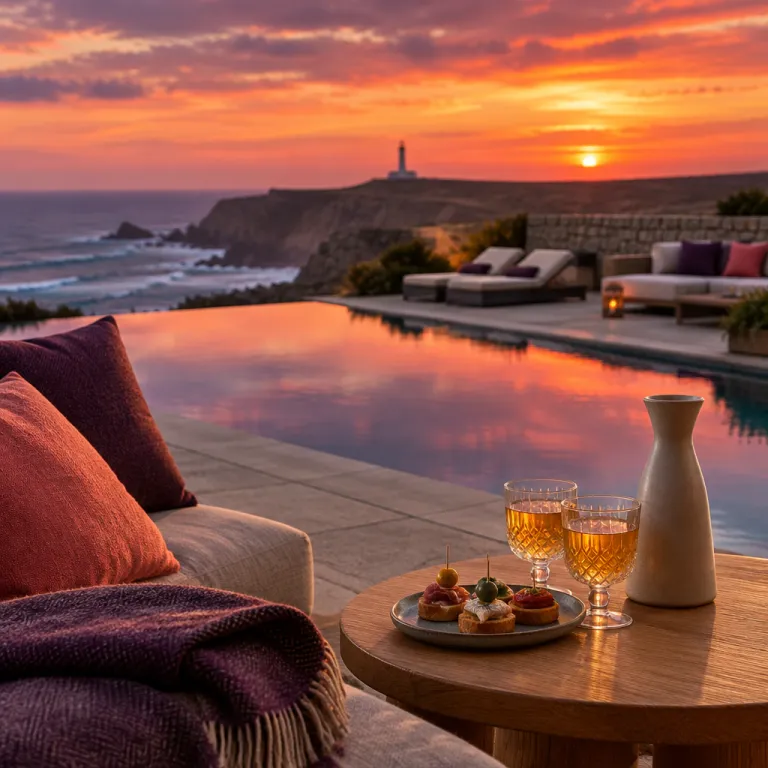
Northern Spain resorts: refined coastal and countryside escapes
Why northern Spain resorts suit refined travellers
Northern Spain resorts offer a quieter kind of luxury, where the rhythm of the coast shapes each day. In this part of Spain, every hotel leans into the landscape, from the green hills of the Basque Country to the rugged north coast facing the Bay of Biscay. The most memorable moments often come from simple pleasures, such as a slow breakfast in a city café or a sunset walk above a secluded beach.
The region feels different from southern Spain because the climate is milder and the scenery more dramatic. You can move between a lively town and a peaceful fishing village in less than a day, which makes travel planning flexible for both a couple and a Spain family holiday. Luxury vacation seekers often combine several places to stay in northern Spain, starting with a coastal resort with a spa and then moving to a rural retreat close to the Picos de Europa mountains.
For discerning guests, the appeal lies in how these northern Spain resorts balance authenticity and comfort. A single property might offer a heated pool, a serious wine list, and direct access to a wild beach on the Bay of Biscay. When you compare hotels in this region, you notice how often local stone, wood, and Basque or Galician design details appear, which anchors each property in its own town and country setting.
San Sebastián and the Basque Country coast
San Sebastián is the refined heart of many northern Spain resorts itineraries, with its shell shaped La Concha beach and elegant promenade. The city sits in a perfect bay on the north coast, where the green hills of the Basque Country meet the Atlantic and frame some of the best urban beaches in Spain. When you compare accommodation here, you find grand seafront hotels such as Hotel de Londres y de Inglaterra, intimate design focused properties like Lasala Plaza Hotel, and family friendly options with a generous pool.
In San Sebastián, food is central to any luxury vacation, from Michelin starred dining at Arzak or Akelarre to informal pintxos bars in the old town. Many visitors pair a stay in San Sebastián with a night or two in nearby coastal towns such as Getaria or Hondarribia, using scenic drives along the coast to link different bases. Getaria lies about 30 minutes west by car, while Hondarribia is roughly a 25 minute drive towards the French border, which keeps travel days short and relaxed.
The wider Basque Country coastline rewards slow travel and careful travel planning. You can spend a day in the city of Bilbao, visit the Guggenheim Museum, and then return to a quiet hotel on the Bay of Biscay for a late spa session. After a few days of San Sebastián hospitality, many travellers feel confident enough to extend their trip and seek out local wine bars, where stories about how this coast has shaped modern Spain flow as freely as the txakoli.
Bilbao, art forward cities, and inland escapes
Bilbao has transformed from an industrial town into one of the most compelling cities in northern Spain, anchored by the titanium curves of the Guggenheim Museum. Around the museum, you now find some of the best hotels in Spain for art lovers, where curated collections and thoughtful design echo the galleries outside. Many northern Spain resorts itineraries start or end in this city, because its airport connects easily with other parts of the country and high speed trains link Bilbao with Madrid and Barcelona.
From Bilbao, scenic drives lead into the green interior of the Basque Country and towards the Picos de Europa mountains. Travellers often split their trip between a city hotel in Bilbao and a rural property near the Europa mountains, where hiking trails and river valleys define each day. If you enjoy urban elegance, you might also appreciate a day in Madrid’s most refined districts, then contrast that experience with the softer light and cooler air of the north coast.
Inland, paradores in northern Spain occupy historic buildings such as monasteries or palaces, offering a different style of luxury vacation. These state run heritage hotels often sit above a town or river, with views that stretch across the countryside and towards distant mountains. Families appreciate how a single parador can combine a generous pool, regional cuisine, and easy access to small cities where daily life in Spain unfolds at a gentle pace.
Galicia, Santiago de Compostela, and the Atlantic edge
Further west, Galicia offers another face of northern Spain resorts, with misty mornings, stone villages, and a coastline cut by deep rías. The city of Santiago de Compostela anchors the region, its cathedral marking the end of the Camino and drawing pilgrims from across the country. Many travellers choose a hotel near the old town, such as the historic Parador de Santiago de Compostela, then add a second stay on the coast to balance culture with time by the beach.
On the Galician north coast, small fishing towns provide a quieter alternative to the busier Basque Country resorts. You can plan scenic drives that link lighthouses, wild headlands, and sheltered coves, staying in coastal hotels that overlook the Atlantic and serve excellent seafood. For a Spain family holiday, this mix of gentle beaches, easy walking routes, and relaxed places to stay in northern Spain can feel less crowded than the Mediterranean.
Santiago de Compostela itself works well as a short city break within a longer trip. Spend a day exploring the cathedral, market, and university quarter, then return to a hotel with a spa or heated pool for a calm evening. Reading a detailed travel journal or a first person account of the Camino before arrival often deepens appreciation of how this town connects with the wider history of Spain.
Picos de Europa and countryside retreats
The Picos de Europa mountains rise sharply behind the north coast, creating one of the most dramatic backdrops for northern Spain resorts. Here, the focus shifts from city life to nature, with deep gorges, limestone peaks, and traditional stone villages. Many rural hotels in this area are converted farmhouses or manor houses, where a Spain family can wake to cowbells and mountain views.
Days in the Picos de Europa often revolve around hiking, gentle walks, or scenic drives between valleys. Travellers might spend one day exploring the Cares Gorge, another visiting lakes above Covadonga, and a third relaxing by a pool while children play in the garden. This rhythm suits a luxury vacation that values space, fresh air, and unhurried meals built around local cheeses and cider from the surrounding country.
Because distances are short, it is easy to combine a stay in the Picos de Europa with time on the coast. You can sleep in a mountain hotel, then reach a sandy beach on the Bay of Biscay in less than an hour. Many guests plan their trip so that they end with a few nights at a coastal resort, allowing the sound of the sea to frame the final day of their northern Spain journey.
How to choose and book northern Spain resorts online
Selecting the best northern Spain resorts starts with clarifying what you value most in a hotel. Some travellers prioritise a full spa, a large pool, and direct beach access, while others care more about proximity to a historic town or city. On a specialised luxury booking website for Spain, filters help you compare different properties by location, style, and services that matter for your trip.
For a Spain family holiday, look for northern Spain accommodation with flexible room configurations, supervised activities, and easy access to gentle beaches. Couples planning a luxury vacation might prefer smaller design led hotels in San Sebastián, Bilbao, or Santiago de Compostela, where fine dining and wine lists take centre stage. Industry analyses of how global brands are remaking Spanish luxury show how international names now sit alongside independent properties across the country.
When you read narrative style reviews and guest feedback, focus on details that match your travel planning priorities. Pay attention to how staff handle special requests, whether the spa feels crowded at peak times, and how long it really takes to walk from the hotel to the beach or old town. By aligning these insights with your own expectations, you turn a simple hotel search into a curated itinerary across the most rewarding corners of northern Spain.
Key figures about northern Spain travel and hotels
- According to Turespaña’s tourism balance for 2022, the northern regions of Spain received more than 10 million international visitors, a share that has grown steadily as travellers seek cooler summer climates compared with the south (Turespaña, “Balance del Turismo 2022,” datos.tourspain.es).
- Data from the Basque Country tourism board indicate that San Sebastián records one of the highest average daily hotel rates in Spain, reflecting strong demand for coastal luxury and gastronomy focused stays (Basquetour, “Informe de Coyuntura Turística 2022,” euskadi.eus/basquetour).
- Galicia’s tourism statistics show that Santiago de Compostela welcomed over 300,000 registered Camino pilgrims in 2019, before the pandemic, which supports a dense network of hotels and guesthouses in the city and along the coast (Oficina del Peregrino, “Estadísticas del Camino 2019,” catedraldesantiago.es/peregrinacion).
- Studies from the Spanish Ministry of Industry, Trade and Tourism report that rural and nature based accommodation, including properties near the Picos de Europa, has seen double digit growth in overnight stays over the past decade (Ministerio de Industria, Comercio y Turismo, “Turismo Rural en España 2010–2020,” mintur.gob.es).
- Surveys by the European Travel Commission highlight that more than one third of European travellers now prioritise scenic drives and countryside experiences, a trend that directly benefits northern Spain resorts along the Bay of Biscay and inland mountains (European Travel Commission, “Monitoring Sentiment for Domestic and Intra-European Travel, 2023,” etc-corporate.org).
FAQ about northern Spain resorts
Which areas are best for a first luxury trip to northern Spain ?
For a first luxury vacation in northern Spain, many travellers combine San Sebastián for its city beach and gastronomy, Bilbao for art and design, and a few days in the Picos de Europa or Galician coast for nature. This mix balances urban comfort, scenic drives, and quieter resorts. It also keeps daily travel times short, which is helpful for a Spain family itinerary.
When is the best time of year to visit northern Spain resorts ?
The most comfortable months for northern Spain resorts usually run from late spring to early autumn, when temperatures are mild and the sea is warmer. July and August bring more visitors to the north coast, especially to San Sebastián and the Bay of Biscay beaches. Travellers seeking lower prices and fewer crowds often choose May, June, September, or early October.
Are northern Spain resorts suitable for families with children ?
Many places to stay in northern Spain are well suited to families, with spacious rooms, child friendly pools, and easy access to safe beaches. Coastal towns in Galicia, Asturias, and Cantabria often have gentle bays that work well for younger swimmers. Rural properties near the Picos de Europa also appeal to children who enjoy outdoor activities and animal encounters.
How many days do I need for a northern Spain itinerary ?
A balanced trip to northern Spain resorts usually requires at least seven to ten days. This allows time for two cities, such as Bilbao and Santiago de Compostela or San Sebastián, plus a stay on the coast or in the mountains. With more days, you can slow the pace, add extra scenic drives, and include additional towns without feeling rushed.
Do I need a car to enjoy northern Spain resorts ?
You can visit major cities such as Bilbao, San Sebastián, and Santiago de Compostela by train or plane, then rely on taxis and local transport. However, a rental car makes it easier to reach smaller towns, rural hotels, and viewpoints along the north coast. Many travellers choose to rent a car for part of the trip, especially for exploring the Basque Country and Picos de Europa.