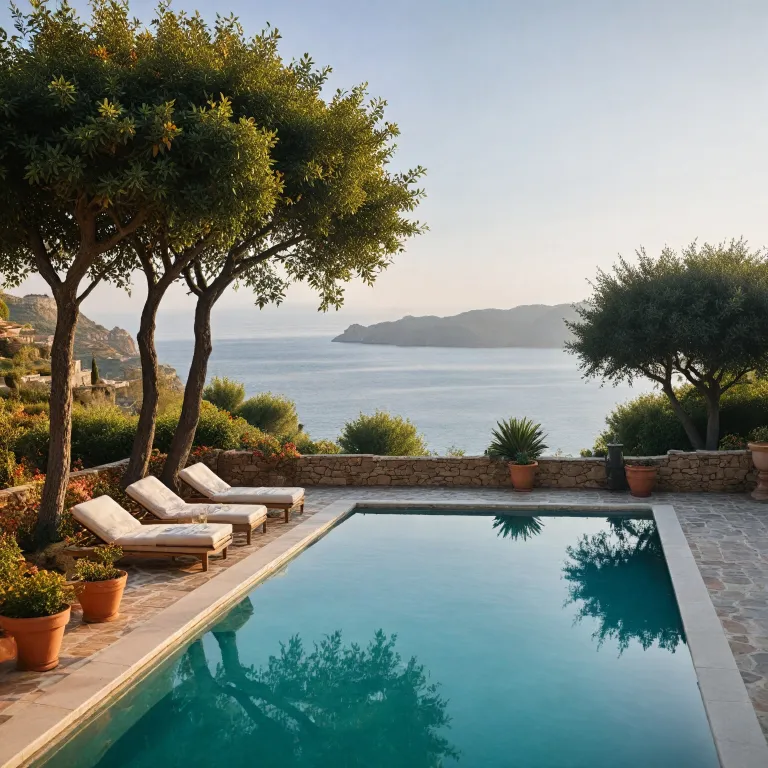
Spanish resort isles and the art of choosing the right stay
Spain’s resort islands offer an elegant balance of coastal glamour and cultural depth. For travellers comparing each spanish resort isle, the main decision is how to align hotel style with personal expectations for service, privacy, and access to experiences. On every island, the most successful luxury and premium properties understand that guests want clarity, not a crossword of confusing offers and vague promises.
When browsing a spanish resort isle online, many travellers feel as if they are solving a crossword puzzle of room types, board options, and cancellation policies. Each amenity becomes a potential clue, and every photo an answer that must match the letters of their priorities, from spa access to sea views. A refined booking website should act as a crossword solver, translating scattered clues into a single, coherent clue answer that reflects the real stay.
On a premium platform dedicated to each spanish resort isle, filters should work like well written clues rather than opaque advertisement slogans. Instead of forcing guests to cross atlantic amounts of information, the interface should guide them through clear games of comparison, where each resort island, each spanish resort, and each individual resort isle is presented with transparent pricing and policies. This approach respects travellers as informed players, not passive readers of daily mini marketing messages.
Expert platforms also highlight the differences between an island such as Ibiza and quieter isles in the Balearic or Canary archipelagos. They help guests find whether a lively spanish resort or a secluded resort island suits their style, without hiding limitations behind clever clues or incomplete answers. In this context, the role of the booking site is to provide the right letter at the right time, so that the final answer spanish experience feels effortless.
Designing a premium booking journey for spanish resort isles
A luxury focused booking website for any spanish resort isle must prioritise clarity, trust, and emotional resonance. The most effective journeys feel less like filling a form and more like engaging with carefully structured puzzles, where each step adds a meaningful clue rather than extra friction. This is particularly important for guests planning high value stays on a resort island, where expectations for service and reliability are elevated.
On a well designed platform, each spanish resort is presented with layered information that mirrors the logic of a joseph crossword or a thomas joseph grid. Guests can scan short clues first, then open detailed answers only when needed, instead of being overwhelmed by dense advertisement blocks. This structure respects attention spans while still providing the depth that experienced travellers expect from a premium spanish resort isle specialist.
Many travellers now consult several games like the nyt mini or a mini crossword during their daily routine, and they expect similar responsiveness from booking tools. A refined interface should load quickly, adapt to mobile screens, and allow guests to adjust dates, room types, and occupancy with the same ease used to change a letter in an isle crossword. Linking to in depth editorial guides, such as premium hotel booking advice for discerning travellers, further strengthens authority.
Trust also depends on how a platform handles answers spanish and answers in other languages for international guests. Clear multilingual support, transparent taxes, and honest descriptions of each spanish resort isle help prevent misunderstandings that could otherwise feel like a trick clue ibiza in a complex crossword puzzle. When guests feel that every letter of information is aligned with reality, they are more likely to return, recommend, and explore new resort isles within Spain.
Matching each spanish resort isle with traveller profiles
Spain’s main resort islands, including Mallorca, Tenerife, Gran Canaria, and Ibiza, attract millions of tourists seeking different styles of luxury. A sophisticated booking website should treat each spanish resort isle as a distinct answer within a broader crossword puzzle of preferences, budgets, and travel dates. By doing so, it transforms a generic list of properties into a curated set of clues that genuinely help travellers find their ideal stay.
For nightlife enthusiasts, a spanish resort on Ibiza may be the obvious answer, yet even within this island there are quieter resort isles and coves suited to couples or wellness seekers. A strong platform will present these micro destinations like separate clues, each with its own letters of information on ambience, distance to clubs, and access to beaches. Families, meanwhile, might prefer a resort island in the Canary archipelago, where year round sunshine and spacious suites create a different style of answer spanish to their holiday needs.
High end travellers often approach planning like a series of daily mini puzzles, checking weather, flight options, and special deals before committing. A premium booking site can support this behaviour by offering flexible search tools that feel as intuitive as a mini free game, yet backed by robust data and expert curation. When filters for spa access, golf, or adults only stays are as easy to adjust as a letter in a crossword clue, guests feel in control.
Editorial content also plays a vital role in guiding choices across every spanish resort isle. In depth guides can compare a lively spanish resort with a tranquil resort island, using clear clues and honest answers rather than vague advertisement language. This approach mirrors the logic of respected titles such as thomas joseph or eugene sheffer crosswords, where each clue ibiza or island reference is precise, fair, and ultimately satisfying once solved.
From crossword clues to clear value: pricing, perks, and special deals
One of the deepest challenges in luxury and premium hotel booking on any spanish resort isle is communicating value without confusion. Guests often face a crossword of rates, half board options, and cancellation terms, where each clue seems to hide another condition in tiny letters. A trustworthy platform must turn this into a single, legible answer that respects both the property and the traveller.
Transparent pricing on every spanish resort and resort island means showing taxes, resort fees, and service charges upfront. Instead of burying key information in advertisement style footnotes, the site should present it as clearly as a well written crossword clue, with the final amount matching the expected answer spanish at checkout. When guests see that the total aligns with the clues provided, they experience the same satisfaction as completing a joseph crossword or a telegraph cross grid.
Special deals are particularly important for high end stays on a spanish resort isle, yet they must be framed carefully. A serious platform avoids turning promotions into games that feel like misleading puzzles or incomplete answers spanish, and instead treats them as optional enhancements. For example, a spa credit on a resort isle in Ibiza should be described with the same precision as a clue ibiza in a respected crossword puzzle, including dates, minimum stays, and any limitations.
Value also extends beyond price to include flexible policies and added services on each spanish resort isle. Early check in, late check out, and tailored experiences can be presented like bonus games, but always with clear letters and unambiguous clues. When a platform behaves more like a reliable crossword solver than a flashy advertisement board, it earns long term trust from discerning guests.
Integrating culture, sustainability, and technology on spanish resort isles
Spain’s resort islands are not only about beaches and pools ; they are living destinations with distinct cultures and fragile ecosystems. A responsible booking website for any spanish resort isle must therefore highlight local traditions, environmental guidelines, and community partnerships alongside room categories and spa menus. This approach aligns with the growing expectation that luxury travel should provide meaningful answers, not just glamorous clues.
Contextual content can turn each spanish resort or resort island into a richer narrative, where guests understand how their stay supports local businesses and conservation efforts. For example, editorial features might explain how tourism boards and authorities collaborate to manage visitor flows, echoing the structured logic of a thomas joseph or eugene sheffer crossword. “The main resort islands in Spain are Mallorca, Tenerife, Gran Canaria, and Ibiza.”
Technology plays a central role in making this information accessible without overwhelming travellers with a crossword puzzle of tabs and menus. Smart design groups related clues together, so that details about recycling policies, cultural etiquette, and protected areas on each spanish resort isle appear in one clear answer section. Links to in depth guides, such as an article on elegant spa hotel stays in Andalusia, can inspire guests to extend their trip beyond the island.
Gamified elements, such as light quizzes or mini crossword style games about local culture, can engage guests without trivialising the destination. These tools should feel more like thoughtful games than aggressive advertisement, helping travellers remember key clues about etiquette, protected beaches, or traditional festivals. When used carefully, they transform the booking journey on each spanish resort isle into an educational experience that benefits both visitors and host communities.
How editorial content and puzzles enhance spanish resort isle bookings
Many travellers now expect more than static hotel listings when planning a stay on a spanish resort isle. They look for stories, expert perspectives, and even playful elements that make research feel engaging rather than tedious. Well crafted editorial content, combined with light puzzle inspired tools, can meet this need while reinforcing the authority of a premium booking platform.
Articles comparing different spanish resort options, or explaining the character of each resort island, function like extended crossword clues that prepare guests to interpret hotel data correctly. Short daily mini features, such as a spotlight on a coastal walk or a chef’s menu, can be presented alongside practical information without feeling like intrusive advertisement. When these pieces are structured with clear headings and concise paragraphs, they offer quick answers spanish to common questions.
Some platforms experiment with interactive games that echo the logic of a nyt mini or mini free crossword, using island themed clues and letters to introduce local highlights. A clue ibiza might reference a famous beach, while another clue answer points to a lesser known cove on a neighbouring resort isle. These games should remain optional, yet they can help guests remember key details about each spanish resort isle more effectively than static text alone.
Crucially, any use of puzzles, joseph crossword style grids, or telegraph cross inspired layouts must support clarity rather than distract from it. The goal is to guide travellers through the information maze, not to turn essential policies into obscure clues or half hidden answers spanish. When done well, this blend of storytelling and structured games strengthens trust and makes choosing a spanish resort or resort island feel both informed and enjoyable.
Key statistics on tourism to spanish resort isles
- Annual visitors to the Balearic Islands, which include Mallorca and Ibiza, reach approximately 13.6 million tourists.
- The Canary Islands, home to major resort islands such as Tenerife and Gran Canaria, welcome around 15.1 million tourists annually.
- Tourism peaks during the summer months, while spring and autumn offer quieter yet still comfortable conditions on each spanish resort isle.
Essential questions about spanish resort isles and hotel bookings
What are the main resort islands in Spain ?
The main resort islands in Spain are Mallorca, Tenerife, Gran Canaria, and Ibiza. Each spanish resort isle offers a distinct blend of beaches, cultural attractions, and luxury properties. Travellers can use premium booking platforms to compare these resort islands side by side and find the best match for their preferences.
When is the best time to visit Spain's resort islands ?
The best time to visit is during the spring and autumn months for pleasant weather and fewer crowds. During these periods, rates on many spanish resort properties are often more flexible, and availability on each resort island is wider. This allows travellers to secure premium rooms and suites with better value than during peak summer.
Are there direct flights to Spain's resort islands ?
Yes, many international airlines offer direct flights to major islands like Mallorca and Tenerife. These connections make it easier to plan short breaks or extended stays on any spanish resort isle without complex itineraries. Travellers can then coordinate their flight schedules with flexible check in and check out options offered by high end hotels.
Trustful expert sources
- Balearic Islands Tourism Board
- Canary Islands Tourism Board
- Spanish Ministry of Industry, Trade and Tourism