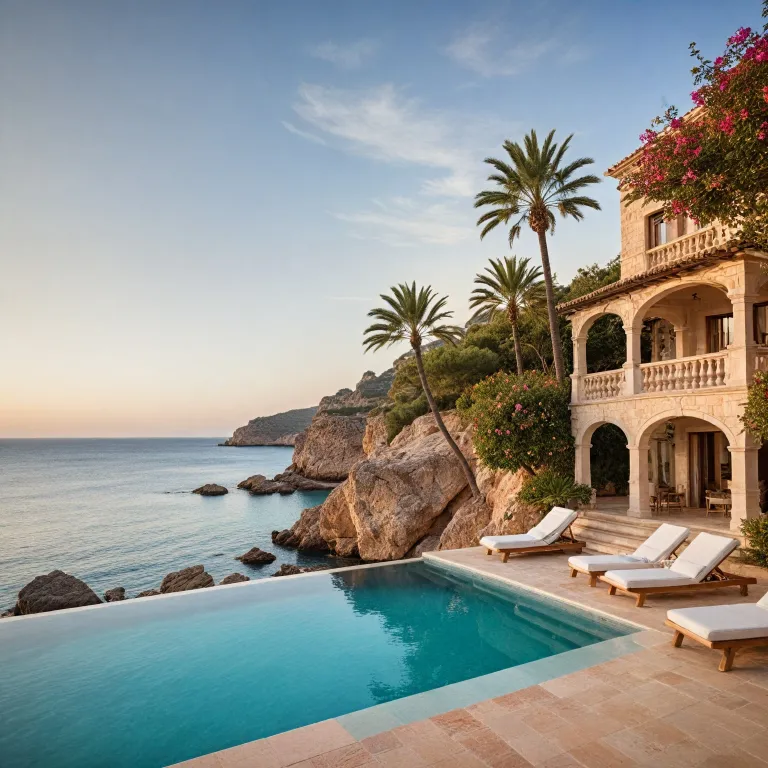
Luxury stays near the most beautiful beaches in Mallorca
Mallorca Spain beaches combine Mediterranean glamour with a refined island calm. Along this varied coast, you will find luxury hotels that frame each beach in soft light and crystal clear water, creating a setting that feels both exclusive and relaxed. For travellers who plan to stay Mallorca in style, choosing the right stretch of sand is as important as choosing the right suite.
The island offers 208 beaches Mallorca wide, from long sandy beach promenades to intimate rocky coves. Many premium properties sit close to a beach Mallorca guests can reach on foot, while others provide a private car transfer to quieter calas with reserved loungers and attentive service. When you compare options, focus on how each hotel connects you with the best beaches rather than only on room categories or spa menus.
On the southwest coast, Playa de Palma and nearby stretches attract visitors who enjoy lively promenades and easy parking. Here you will find larger resorts that still offer premium rooms, rooftop pools, and direct access to the water, ideal for short breaks or first time stays on the island. Further along the bay, capacity control cameras and a computerised beach flow system in Calvià help manage crowds, which is valuable for guests seeking calmer days by the sea.
Environmental reports show that around 70 percent of Mallorca beaches still achieve excellent ratings, yet recent contamination incidents highlight the need for informed choices. Before you visit any beach, your hotel concierge should help you check local advisories on water quality and beach occupancy. This partnership between guests, hotels, and local authorities supports safer bathing conditions and a more serene coastal experience.
Mallorca Spain beaches and water quality for discerning travellers
For luxury guests, the quality of the water is as important as the thread count of the sheets. Recent monitoring across Mallorca Spain beaches has revealed a decline in overall water quality, with nearly one hundred microbiological contamination incidents recorded in a single season. This does not mean you should avoid the island, but it does mean you should plan your beach days with more care and better information.
Environmental organisations such as the Marilles Foundation and ADEAC work with local municipalities to analyse samples and award Blue Flags to the best beaches. Their research shows that while many beautiful beaches remain safe, some areas experience temporary issues after storms, heavy nautical activity, or periods of intense visitor pressure. Luxury hotels that value transparency will share this context and help you find the best beaches for swimming on any given day.
Authorities now extend sampling periods beyond peak summer and use capacity control cameras to monitor how full each beach becomes. In Calvià, a computerised system tracks beach flow, helping to prevent overcrowding and protect the fragile coastal park ecosystems. When you stay Mallorca in a premium property, ask staff which beaches Mallorca currently combine excellent water quality with a quieter atmosphere.
Practical steps also matter for guests who expect high standards. Choose a car transfer to less crowded calas early in the morning, when the water is usually clearest and the parking lot still has space. Follow local guidelines, avoid littering, and support hotels that participate in conservation initiatives, because these actions help maintain the crystal clear shallows that define a truly luxurious beach day.
Iconic calas and coves: from Cala Deià to Cala Mondragó
Some of the most memorable Mallorca Spain beaches are intimate calas framed by cliffs and pine trees. On the northwest coast, Cala Deià sits below the village of Deià, where stone houses overlook terraces of olive trees and the sea. Here you will find a small pebble beach, clear water, and a handful of restaurants that attract artists, writers, and guests from nearby luxury hotels.
Reaching Cala Deià usually requires a short walk or a careful drive by car down a narrow road. Parking can be limited, so many premium hotels in Deià arrange transfers or advise guests to visit early or later in the afternoon. Once there, you will find a sheltered cove where swimmers share the water with small boats, and the atmosphere feels more like a private retreat than a busy resort.
On the southeast coast, Cala Mondragó lies within a protected park, surrounded by pine forest and walking paths. This area offers two main sandy beach areas with crystal clear shallows, making it ideal for families who value calm water and natural scenery. A short walk connects the coves, so you will find different perspectives on the same beautiful beaches without needing to move your car.
Further along the coast, Cala Llombards and Cala Almunia sit close to the famous Caló des Moro and the neighbouring Caló des Moro viewpoint. These spots have become icons among beaches Mallorca wide, yet their small size means they fill quickly and parking is strictly controlled. Luxury travellers who value privacy should ask their hotel to suggest the best time to visit, or to recommend quieter calas that offer a similar sense of drama with fewer crowds.
Caló des Moro, Cala Almunia and the reality behind the photos
Images of Caló des Moro and Cala Almunia often define online searches for Mallorca Spain beaches. The water here is an intense turquoise, framed by cliffs and low pines, creating one of the most beautiful beaches on the island. However, the reality on busy days can feel very different from the serene photographs that inspire many trips.
Access to Caló des Moro and the nearby Caló des Moro viewpoint involves a walk from the designated parking lot, which may be located some distance from the actual cala. Local authorities limit parking and monitor visitor numbers to protect the fragile environment and maintain water quality. Luxury hotels in the region now brief guests carefully, explaining that you will find limited space on the rocks and almost no traditional sandy beach area.
For travellers who value comfort, this means planning your visit as a short scenic stop rather than a full day on the sand. Many guests choose to arrive by car early in the morning, take photographs of the crystal clear water, then move on to a wider beach Mallorca offers nearby. Cala Llombards, for example, provides a more classic sandy beach experience with easier access and services that suit premium travellers.
When you stay Mallorca in an upscale property, ask staff to balance your wish list of iconic spots with realistic advice on crowds and facilities. They may suggest combining Caló des Moro with a longer stay at Cala Mondragó or another of the best beaches in the southeast. In this way, you still visit the famous calas while enjoying the comfort, space, and service that define a luxury coastal holiday.
Serra de Tramuntana shores: Cala Torta, Sa Calobra and Formentor
The north and northwest coasts of Mallorca Spain beaches offer a wilder, more dramatic character. Here the Serra de Tramuntana mountains drop into the sea, creating calas such as Sa Calobra and Cala Torta that appeal to travellers seeking scenery as much as sunbathing. Premium hotels in this region often highlight guided drives and boat trips, since the journey is part of the experience.
Sa Calobra is reached by a famously winding road where many guests prefer to let a professional driver handle the car. At the end, you will find a narrow pebble beach framed by cliffs, with water that can be crystal clear on calm days. Because space is limited, it is wise to check how busy the area is and whether any parking restrictions apply before you visit.
Further east, Cala Torta offers a more remote sandy beach with fewer facilities, attracting guests who value simplicity and open horizons. Access may involve a rougher road and a short walk, so discuss conditions with your hotel concierge, especially if you drive a rental car. In exchange, you will find one of the more natural beaches Mallorca still preserves, where dunes and hills replace built up promenades.
At the northern tip of the island, the Formentor peninsula combines pine forest, viewpoints, and the celebrated Cala Formentor. Many regard this as one of the best beaches in Mallorca, thanks to its fine sand, shallow water, and views across the bay. Luxury hotels in the wider region often arrange boat transfers or timed car access, helping guests navigate parking rules while enjoying a refined day by the sea.
How luxury hotels curate beach experiences on Mallorca
For guests booking premium stays, the real value lies in how hotels curate access to Mallorca Spain beaches. A refined property does more than sit near a beach Mallorca visitors can reach on their own. Instead, the team anticipates your preferences and builds a personalised coastal itinerary that reflects both your style and the island’s environmental realities.
Many luxury hotels now maintain up to date information on water quality, beach occupancy, and parking conditions across the island. They use local advisories, environmental reports, and sometimes direct contact with municipalities to guide daily recommendations. When you arrive, you will find staff ready to suggest which beaches Mallorca currently offer the best balance of calm water, space, and services.
Thoughtful properties also consider how you move between calas, arranging private car transfers, boat charters, or guided walks. For example, a concierge might plan a morning at Cala Deià, followed by lunch in Deià village, then an afternoon drive to a sandy beach such as Cala Mondragó or Cala Formentor. This approach reduces the stress of finding a parking lot at each stop and allows you to focus on the beautiful beaches themselves.
As a guest, you can support responsible practices by choosing hotels that engage with environmental organisations and local conservation efforts. Ask how they manage waste, whether they brief guests on sensitive areas such as Caló des Moro, and how they contribute to protecting the park zones that surround many calas. In doing so, you help ensure that Mallorca best coastal landscapes remain unspoiled for future travellers who seek the same crystal clear shallows and refined seaside calm.
Key statistics on Mallorca Spain beaches and tourism
- The island offers around 208 officially recognised beaches Mallorca wide, ranging from long sandy beach stretches to intimate rocky calas.
- Recent monitoring shows that approximately 70 percent of Mallorca beaches currently achieve an excellent water quality rating.
- Authorities recorded close to one hundred microbiological contamination incidents on Mallorca Spain beaches during a recent bathing season.
- Visitor numbers remain high, with more than 13 million arrivals recorded for the island in the latest reported year.
Questions travellers often ask about Mallorca Spain beaches
Which are the most popular beaches in Mallorca ?
Playa de Palma, Playa de Muro, and Es Trenc are among the most popular beaches in Mallorca. These stretches combine long sandy beach areas, shallow water, and a wide choice of hotels and restaurants. For luxury travellers, nearby premium properties often provide reserved loungers, attentive service, and easy access by car or private transfer.
What measures are being taken to improve beach water quality ?
Authorities are implementing monitoring systems, extending sampling periods, and managing beach occupancy to improve water quality. On busy Mallorca Spain beaches, capacity control cameras and computerised flow systems help limit overcrowding and protect fragile marine ecosystems. Environmental organisations collaborate with local municipalities to analyse samples and recommend actions that keep the water as crystal clear as possible.
How can tourists contribute to maintaining beach quality ?
Tourists can follow local guidelines, avoid littering, and participate in conservation activities to help maintain beach quality. Choosing a car transfer instead of parking directly on dunes, respecting marked paths in park areas, and supporting hotels with strong sustainability policies all make a difference. These small decisions help preserve the beautiful beaches that define Mallorca best coastal experiences.
Trustful expert sources : Marilles Foundation ; ADEAC – Bandera Azul ; Mallorca Tourism Observatory.