Why small hotels in Seville suit discerning travelers
Small hotels in Seville appeal to travelers who value intimacy and character. In a compact historic center, a refined hotel in Seville Spain can feel like a private casa del viajero, with staff who quickly learn your preferences and rhythm. These properties often sit in restored palacio buildings, where every corridor and courtyard reflects centuries of Andalusian life.
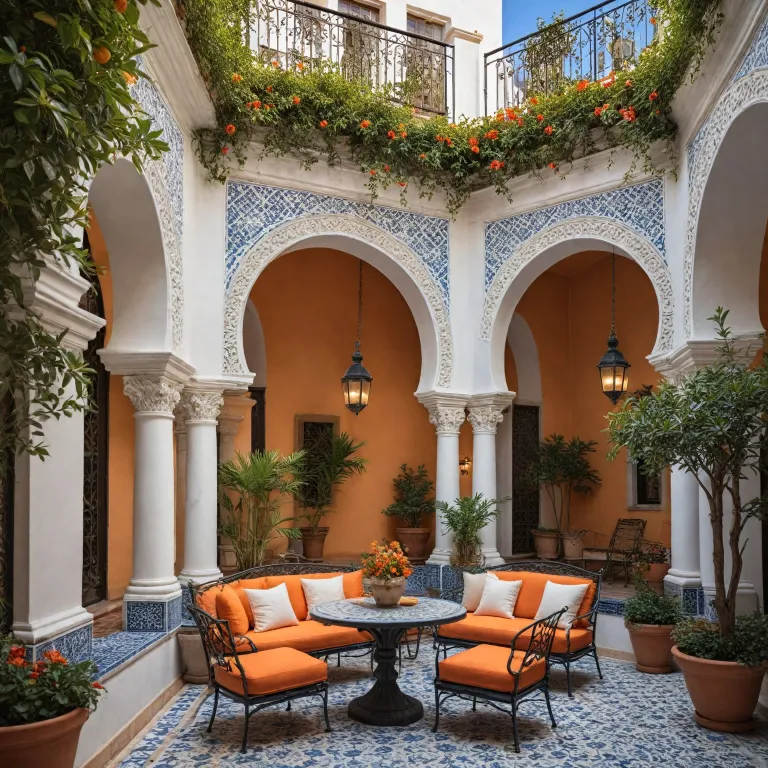
Many of these small hotels occupy former noble casas, with shaded patios, arches, and tiled fountains. The atmosphere contrasts sharply with large hotels Seville, where hundreds of rooms can dilute the sense of place and personal connection. When you choose small hotels, you gain a quieter experience, yet you remain a short walk from major sights such as Seville Cathedral and the lanes of Santa Cruz.
Travelers focused on comfort will appreciate how each room or suite is individually arranged. Instead of endless identical rooms, a small hotel Seville might offer ten or twenty distinct rooms, each with its own layout, artwork, and light. This scale allows the property to maintain high standards of cleanliness, attentive service, and reliable air conditioning, which is essential in Seville Spain during warmer months.
From a booking perspective, these hotels often release limited hotel offers that reward early planners. Because room numbers are low, popular dates in the center fill quickly, especially when festivals or major events take place. Consider flexible dates and check several small hotels to compare which property, room category, and pool or rooftop facilities best match your expectations.
Historic casas and palacios with contemporary comfort
One of the strongest attractions of small hotels in Seville is their architectural heritage. Properties such as Hotel Casa del Poeta and Hotel Palacio de Villapanés occupy carefully restored mansions, where carved stone, wooden ceilings, and traditional tiles frame every room. These historic hotels in Seville balance preservation with modern comforts like efficient air conditioning, high quality bedding, and soundproofing.
Travel data notes an increasing demand for boutique hotels offering personalized experiences, and Seville reflects this trend vividly. Many hotels in Seville Spain have transformed former palacio residences into intimate properties, where a central courtyard becomes the social heart of the casa. Guests can walk through colonnades and sit beside fountains, then return to rooms that combine antique furnishings with contemporary bathrooms and technology.
Hotel Palacio de Villapanés, often referenced as palacio Villapanes, illustrates how a historic property can feel both grand and human scale. Its rooms and suites open onto patios and terraces, while a discreet pool area offers a calm retreat from the city heat. Similar hotels Seville frequently integrate a small swimming pool or plunge pool into their courtyards, allowing guests to cool off after exploring the center on foot.
Another example is Hotel Casa del Poeta, where the casa del poeta concept shapes the atmosphere of the rooms and shared spaces. Here, music, literature, and art complement the historic architecture, creating a layered experience that feels authentically sevilla. When evaluating hotel offers, look beyond the star rating and consider how the property’s history, layout, and room design align with your travel style.
Location choices in Seville: center, Santa Cruz, and beyond
Choosing the right neighborhood is crucial when comparing small hotels in Seville. Many travelers gravitate toward the historic center and Santa Cruz, where narrow streets, orange trees, and traditional casas create a cinematic backdrop. Staying in a hotel Seville near Seville Cathedral places you within a short walk of major monuments, tapas bars, and flamenco venues.
In Santa Cruz, hotels such as Hotel Las Casas de la Judería and Hotel Casa 1800 Seville weave through former Jewish quarter lanes. These properties often occupy several connected casas, forming a labyrinth of patios, staircases, and intimate rooms. The result is a hotel experience where every walk from your room to the restaurant or pool reveals another hidden corner of sevilla.
Beyond Santa Cruz, districts like San Lorenzo and the Macarena offer a more residential feel while remaining close to the center. Palacio Bucarelli, for example, sits in a quieter area yet still allows a comfortable walk to key attractions in Seville Spain. Its property layout, with rooms around a courtyard and a small swimming pool, suits travelers who prefer a slower pace after days spent exploring.
When browsing hotel offers, pay attention to how each property describes distance and access. A hotel casa near the center might emphasize that it is a short walk from Seville Cathedral, while another highlights easy access to the riverfront. Consider whether you prefer to step directly into the busiest streets or retreat to a calmer palacio after dinner in the city.
Rooftop terraces, pools, and refined relaxation
Climate plays a defining role in how small hotels in Seville design their spaces. Rooftop terraces and pool areas become essential features rather than optional extras, especially during the long warm season. Many hotels Seville now integrate a rooftop bar, plunge pool, or solarium, offering elevated views of sevilla and a welcome breeze above the streets.
Properties like EME Cathedral Hotel and Hotel Amadeus & La Musica are known for rooftop settings where guests can enjoy a drink while facing Seville Cathedral and the Giralda. These spaces often combine a compact swimming pool with loungers, shaded seating, and sometimes a restaurant service. Even when the pool is modest in size, the combination of water, skyline, and music creates a memorable hotel experience.
In more traditional palacio properties, the pool may sit in a central courtyard rather than on the rooftop. Palacio Bucarelli, for instance, offers a small pool framed by arches and greenery, turning the casa del palacio into a calm oasis. Whether on the roof or at ground level, these pools complement efficient air conditioning in the rooms, ensuring comfort after a day of walking through Seville Spain.
When comparing hotel offers, examine photos and descriptions of the pool, rooftop, and relaxation areas carefully. Some small hotels emphasize quiet sunbathing, while others host events or live music on their terraces. Aligning your expectations with the property’s atmosphere helps you choose a hotel Seville that matches your preferred rhythm, whether you seek tranquil evenings or a livelier rooftop scene.
Room styles, services, and booking strategies
Rooms in small hotels in Seville tend to prioritize individuality over uniform design. A single property may offer compact rooms facing the street, larger rooms overlooking a courtyard, and suites with private terraces or rooftop access. When booking hotels Seville, read room descriptions closely, as the difference between categories can significantly affect light, noise levels, and overall comfort.
Many properties, including Hotel La Casa del Maestro, Hotel Posada del Lucero, and petit palace addresses, highlight details such as high ceilings, original beams, or hand painted tiles. These elements contribute to the sense of staying in a historic casa rather than a generic hotel. At the same time, travelers should confirm essentials like air conditioning, soundproof windows, and quality mattresses, which are crucial for restful nights in Seville Spain.
Service in these small hotels often feels more personal, with staff able to tailor recommendations and assist with restaurant reservations or flamenco tickets. Some properties, such as Alcoba del Rey or coolrooms palacio options, emphasize local culture through décor, music, and curated experiences. In this context, the quote “Notable small hotels in Seville include Hotel Casa del Poeta, Hotel Palacio de Villapanés, and Hotel Las Casas de la Judería.” underlines how a few carefully chosen names can represent the wider character of sevilla’s hospitality scene.
Because room numbers are limited, strategic booking is essential, especially for peak dates. Monitor hotel offers directly on each property website and compare them with trusted booking platforms for flexible rates. Consider staying several nights in one hotel casa and then moving to another palacio, allowing you to experience different neighborhoods, room styles, and service philosophies within the same trip.
Gastronomy, culture, and thematic stays in Seville
Culinary experiences form an integral part of staying in small hotels in Seville. Many properties feature an in house restaurant or partner with nearby casas del comedor to showcase Andalusian cuisine. Breakfasts often highlight local products, while evening menus may reinterpret traditional dishes for guests returning from a walk through the center.
Some hotels Seville, including EME Cathedral Hotel and certain petit palace addresses, integrate rooftop restaurant concepts with views of Seville Cathedral. Dining in these spaces allows guests to appreciate sevilla’s skyline while enjoying contemporary cuisine and carefully selected wines. Even when a property lacks a full restaurant, staff usually maintain a curated list of nearby tapas bars and del rey classics where locals gather.
Thematic stays are increasingly common, reflecting the broader trend toward renovation of historic buildings into characterful accommodations. Music focused properties like Hotel Amadeus & La Musica host recitals, while others emphasize literature, art, or Seville’s Moorish heritage. Names such as del poeta or casa del maestro signal a narrative thread that runs from the lobby to the rooms, turning each hotel into a small cultural palacio.
When planning a trip to Seville Spain, consider aligning your hotel choice with your cultural interests. A property near Santa Cruz might suit travelers focused on history and architecture, while another closer to the river appeals to those prioritizing nightlife and gastronomy. By matching neighborhood, room style, restaurant access, and thematic focus, you transform a simple hotel stay into a layered experience that reflects the richness of sevilla.
Key statistics on small hotels in Seville
- The Seville Tourism Board reports approximately 50 small character driven hotels operating across the city.
- The average occupancy rate for these hotels in Seville is around 75 percent, indicating consistently strong demand.
- Industry observers note a clear rise in renovation of historic palacio and casa buildings into intimate properties.
- Travel trends highlight increasing demand for hotels that offer personalized experiences rooted in local culture.
Essential questions about small hotels in Seville
What are some notable small hotels in Seville ?
Notable names frequently mentioned by travelers include Hotel Casa del Poeta, Hotel Palacio de Villapanés, and Hotel Las Casas de la Judería, each located within or near the historic center. These hotels combine restored architecture with attentive service, comfortable rooms, and thoughtful amenities such as courtyards, pools, or rooftop terraces. Their locations allow guests to reach Seville Cathedral, Santa Cruz, and major cultural sites with only a short walk.
What unique features do small character hotels in Seville offer ?
These hotels often occupy historic casas or palacios, where original tiles, arches, and patios create a strong sense of place. Guests typically benefit from personalized service, individually designed rooms, and intimate shared spaces such as courtyards, rooftop terraces, or compact pool areas. Many properties also emphasize local culture through décor, music, gastronomy, and curated experiences that connect visitors with everyday life in sevilla.
How can I book a stay at a small hotel in Seville ?
You can reserve rooms directly through each property’s official website, where exclusive hotel offers or flexible cancellation policies are sometimes available. It is also possible to compare prices and reviews on reputable booking platforms, which provide additional assurance and user feedback. Given the limited number of rooms in these hotels Seville, booking well in advance is advisable, especially for weekends, festivals, and holiday periods.