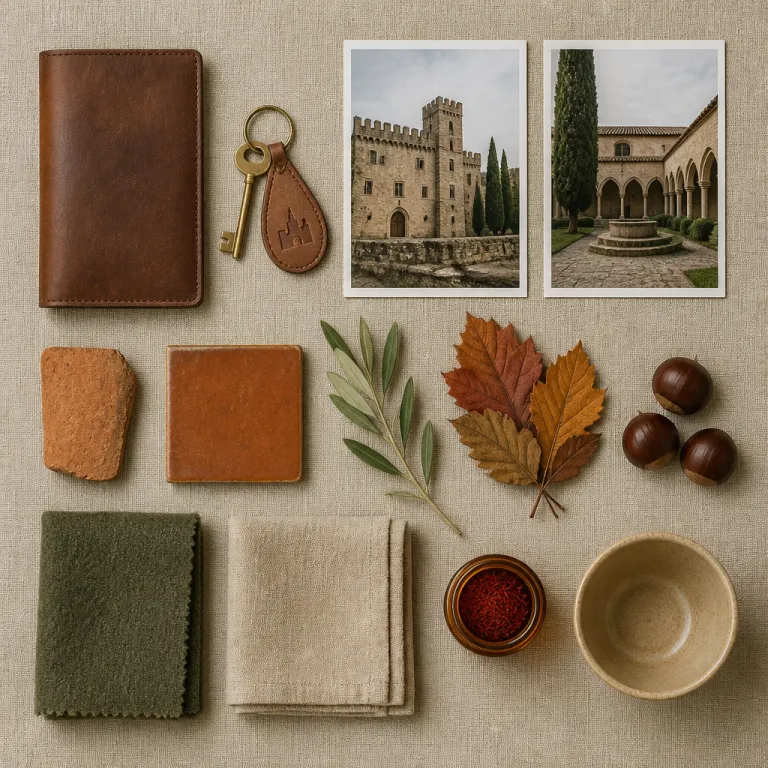
Why luxury paradores in Spain matter for heritage travelers
Luxury paradores in Spain place you inside castles, monasteries and palaces that no private hotel could assemble. These state run paradors are a network of historic properties located across Spanish regions, each parador curated to protect architecture while welcoming travelers into living heritage. For a solo explorer planning to book a slow autumn route, paradores Spain offer rooms that feel like chapters in a history book rather than standard hotels.
The concept is simple yet powerful ; each parador in Spain is located in a building with cultural significance, from a Hostal San Marcos in León to a former fortress above the sea del mar. Across the country, these paradores balance comfort with authenticity, so the best stays are not always about marble bathrooms but about cloistered courtyards, stone staircases and stunning views over medieval rooftops. When you compare luxury paradores Spain with conventional hotels, you quickly see that the value lies in access to spaces like the Hostal de los Reyes Católicos in Santiago de Compostela or the Parador Hondarribia in northern Spain, where the walls themselves tell the story.
For travelers from the United States, the paradores Spain network functions almost like a curated collection of national monuments that happen to have rooms. You might sleep in a parador located in a former royal residence del rey, then move on to another parador located in a monastery where pilgrims once rested on the road to Santiago Compostela. These Spanish paradors are not about uniform luxury ; instead, each parador features its own rhythm, from the cloisters of Parador León to the Atlantic facing terraces of a parador del mar, and that variety is exactly what makes a multi stop circuit so compelling in autumn.
Planning a slow autumn parador circuit across Spain
Autumn is when a parador circuit in Spain comes into its own, with softer light, cooler days and fewer tour groups. Rather than booking a single hotel, think of your trip as a chain of paradores, each parador located a comfortable drive from the next so you can explore regional culture at a human pace. For a solo traveler, this rhythm turns luxury paradores Spain into a framework for slow travel rather than a checklist of famous hotels.
A classic route starts in northern Spain, where paradores Spain anchor heritage towns and dramatic landscapes. You might begin at Parador Hondarribia, a fortress hotel with stunning views over the Bay of Biscay, then continue west to Santillana del Mar, where the parador sits among stone mansions and cobbled streets. From there, driving inland toward León brings you to Parador León in the Hostal San Marcos complex, one of the best examples of Spanish Renaissance architecture and a highlight for anyone who wants to book rooms steeped in history.
Another autumn route follows the pilgrimage spine toward Santiago Compostela, linking several paradors into a coherent cultural journey. Stay at Parador León, then continue to Cangas de Onís for mountain air before reaching Parador Santiago, also known as the Hostal de los Reyes Católicos, which many consider one of the best hotels in the network. If you are pairing this heritage route with island time, consider ending with a few nights in design forward properties such as the Mallorca hotels with superior rooms, which complement the historic atmosphere of paradores Spain with contemporary comfort.
Key paradores for an autumn heritage itinerary
Certain paradores in Spain anchor an autumn circuit because they combine architecture, location and atmosphere in a way that feels almost cinematic. In León, Parador León inside the Hostal San Marcos offers soaring cloisters, carved façades and rooms that open onto courtyards where you can feel the city’s layered history. This parador features a blend of museum level art and modern comforts, making it one of the best hotels for travelers who want both heritage and ease.
Farther west, Parador Santiago in Santiago de Compostela, often called the Hostal de los Reyes Católicos, stands directly on the cathedral square. Here, luxury paradores Spain reach their most theatrical expression, with stone arcades, grand staircases and rooms that look onto pilgrims arriving after weeks on the Camino de Santiago Compostela. Many travelers consider this parador and its sister properties, such as Parador Hondarribia and the parador in Santillana del Mar, as essential stops when they book a cultural route through northern Spain.
In the interior, properties like the parador in Puebla de Sanabria or the lakeside Parador Fuente del Rey del Mar (always confirm exact names and locations on parador.es before booking) offer quieter alternatives with equally stunning views. These hotels are ideal for solo travelers who want to explore medieval villages by day and return to stone walled rooms at night, often with regional menus that highlight local game, mushrooms and chestnuts in autumn. When you want to balance heritage with contemporary luxury, you can also weave in coastal stays such as the five star property in Cádiz described in the guide to the city’s first five star hotel, creating a dialogue between historic paradores and modern Spanish hotels.
From Ibiza to Málaga: the new face of paradores Spain
The paradores network is not frozen in time ; it continues to evolve, adding properties that reinterpret heritage for contemporary travelers. A striking example is the Parador de Ibiza, opened in the former Almudaina Castle in Dalt Vila as the ninety ninth property in the network, with ninety nine rooms that overlook the harbour and the old town. This parador in Ibiza shows how luxury paradores Spain can extend beyond monasteries and hostales into coastal fortresses that speak to a different chapter of Spanish history.
In Málaga, the city’s parador located above the bay offers a different kind of heritage stay, pairing twentieth century architecture with panoramic terraces and a pool that looks over the Mediterranean del mar. Many travelers from the United States choose to book this parador as a gentle landing point before heading north toward León, Cangas de Onís or Santiago Compostela, using Málaga’s airport as a gateway to the wider paradores Spain circuit. The hotel features bright rooms, Andalusian tiles and easy access to the city’s museums, making it one of the best options for combining culture and coastal relaxation.
Elsewhere, properties such as the parador in Santa Cruz or the parador in Puebla de Sanabria anchor lesser known corners of northern Spain, where autumn colours the hillsides and village life moves at a slower pace. These paradors may not have the fame of Parador Santiago or Parador León, but they offer stunning views, intimate dining rooms and a sense of being folded into local rhythms. For travelers who want to explore beyond the obvious, stitching together Málaga, Ibiza, Santa Cruz and Puebla de Sanabria creates a circuit that shows how Spanish paradores can frame both coastline and interior in a single, coherent journey.
What to expect from luxury paradores Spain: service, rooms and atmosphere
Setting expectations correctly is crucial when you book paradores in Spain, especially if you are used to international luxury hotel brands. Paradores prize location, architecture and atmosphere over ultra polished, anticipatory service, so think of them as heritage hotels with solid comfort rather than as palace level resorts. Rooms in a parador can range from simple spaces with thick walls and small windows to suites with stunning views over plazas, cloisters or the sea del mar.
In properties like Parador Hondarribia or the parador in Santillana del Mar, the most memorable features are often the public spaces rather than the bedrooms. You might find yourself lingering in a stone vaulted lounge, a cloister garden or a terrace that looks toward the mountains of northern Spain, rather than in your room. In León’s Hostal San Marcos, for example, the art filled corridors and the façade facing the river are as much part of the experience as the rooms themselves, which blend classic furniture with modern amenities.
Food is another pillar of the paradores Spain experience, with each parador highlighting regional dishes and wines that reflect local terroir. In Galicia, Parador Santiago leans into seafood and hearty stews, while in inland paradors such as Puebla de Sanabria or Cangas de Onís, menus turn toward game, beans and mountain cheeses. For solo travelers, dining in these hotel restaurants can feel convivial rather than formal, offering a gentle way to connect with Spanish culture without needing to seek out busy city venues every night.
Practical tips for booking and routing your parador journey
When planning a luxury paradores Spain itinerary, start by mapping your must see regions, then layer in paradores that align with those landscapes. Autumn brings better availability and often more attractive rates, but popular properties like Parador Santiago, Parador León and Parador Hondarribia still reward early booking, especially for rooms with the best views. Travelers from the United States should consider flying into hubs like Madrid or Málaga, then designing a loop that connects northern Spain with coastal or island stays.
Driving remains the most flexible way to explore paradores Spain, since many paradors are located on hilltops, in small towns or near natural parks with limited public transport. Distances between key properties such as León, Cangas de Onís, Santillana del Mar and Santiago Compostela are manageable, allowing you to travel two to three hours between hotels and still have time to explore. If you prefer to minimize driving, you can anchor your route around rail connected cities like León and Santiago, then add short car rentals or transfers to reach more remote paradors such as Puebla de Sanabria or Santa Cruz.
To enrich your circuit, weave in coastal or cultural detours that complement the parador experience without diluting it. A refined coastal pause in Catalonia, for example, pairs well with a heritage heavy route ; you can find inspiration in guides to elegant ways to enjoy Sitges, then return inland to another parador. By alternating nights in paradores with stays in carefully chosen independent hotels, you create a rhythm that keeps each property fresh while maintaining the cultural through line that makes a parador circuit in Spain so compelling.
Layering culture, coastline and quiet towns into one parador circuit
The real power of a parador journey lies in how it lets you layer different faces of Spain into a single, coherent narrative. One week might take you from the fortress walls of Parador Hondarribia to the Renaissance elegance of Parador León, then onward to the pilgrim charged atmosphere of Parador Santiago in Santiago Compostela. Another route might weave Málaga’s coastal parador with quieter paradors in Santa Cruz or Puebla de Sanabria, before ending in the castle setting of Parador de Ibiza above the harbour del mar.
Along the way, you move through regions that feel almost like different countries, each with its own food, language nuances and architectural vocabulary. In northern Spain, stone villages like Santillana del Mar and mountain hubs such as Cangas de Onís frame your parador stays with hiking, Romanesque churches and cider houses. Farther south, Andalusian light in Málaga or Cádiz shifts the mood entirely, especially if you complement paradores with carefully chosen city hotels that echo the heritage theme without replicating it.
For solo travelers, this circuit style travel offers both structure and freedom, since every parador booking gives you a clear nightly destination while leaving days open for spontaneous exploration. You might linger longer in a parador whose terrace offers particularly stunning views, or add an extra night in León to explore its cathedral and contemporary art museum. By the time you return home, the names of paradors like Parador León, Parador Santiago, Parador Hondarribia and Parador de Ibiza will feel less like hotel brands and more like chapters in your own Spanish story.
Key figures on paradores and heritage travel
- The Paradores network operates around one hundred properties across Spain, making it one of the largest state run heritage hotel systems in Europe according to Paradores de Turismo de España.
- Parador de Ibiza opened with ninety nine rooms in the former Almudaina Castle in Dalt Vila, becoming the ninety ninth property in the network and signalling continued expansion into coastal heritage sites.
- Internal data from Paradores de Turismo indicates that autumn and spring shoulder seasons often see higher average length of stay compared with peak summer months, reflecting growing interest in slow travel circuits.
- According to Spain’s national tourism statistics, cultural tourism accounts for more than fifteen percent of international arrivals, with heritage sites and historic hotels playing a significant role in trip planning.
- Surveys by Spanish regional tourism boards show that travelers who stay in historic accommodation such as paradores report higher satisfaction with authenticity and local culture than those who choose only modern hotels.
FAQ about luxury paradores Spain and autumn circuits
What exactly is a parador in Spain ?
A parador in Spain is a state run hotel located in a building with cultural, historical or natural significance, such as a castle, monastery or manor house. The Paradores network was created to preserve heritage while supporting tourism in less visited regions. When you book a parador, you are paying for both accommodation and access to a unique piece of Spanish history.
Are paradores considered luxury hotels ?
Many paradores offer four star comfort, with some classified at five star level, but their focus is heritage rather than ultra luxe service. You can expect comfortable rooms, regional cuisine and atmospheric public spaces, though service may feel more traditional than in international luxury brands. For travelers who value architecture, location and authenticity, luxury paradores Spain deliver a distinctive kind of high end experience.
How far in advance should I book paradores for an autumn trip ?
Autumn is a popular season for cultural travel, so it is wise to book key paradores such as Parador Santiago, Parador León and Parador Hondarribia several months ahead, especially for weekends. Less famous paradors in smaller towns may have more flexible availability, but rooms with the best views still go first. If your dates are fixed, secure your bookings early, then adjust your driving route around confirmed stays.
Do I need a car to visit multiple paradores in northern Spain ?
A car gives you the most flexibility for a parador circuit in northern Spain, since many properties are located in small towns or rural areas with limited public transport. You can connect major cities like León and Santiago Compostela by train, then rent a car for shorter segments to reach places such as Santillana del Mar, Cangas de Onís or Puebla de Sanabria. For solo travelers who prefer not to drive, consider focusing on paradores in rail connected cities and using taxis or private transfers for shorter hops.
How do paradores compare in price to other Spanish hotels ?
Paradores are often competitively priced compared with similarly located four star hotels, especially in historic centres where independent properties can be expensive. Rates vary by season and property, with iconic paradors like Parador Santiago typically commanding higher prices than smaller town locations. Autumn shoulder season often offers good value, particularly if you book early or take advantage of multi night offers promoted by Paradores de Turismo.